

Beirut: A City of Poetry, Memory, and the Sea
Some cities are beautiful. Some cities are historic. But a few cities become poetry themselves.
Beirut is one of those cities.
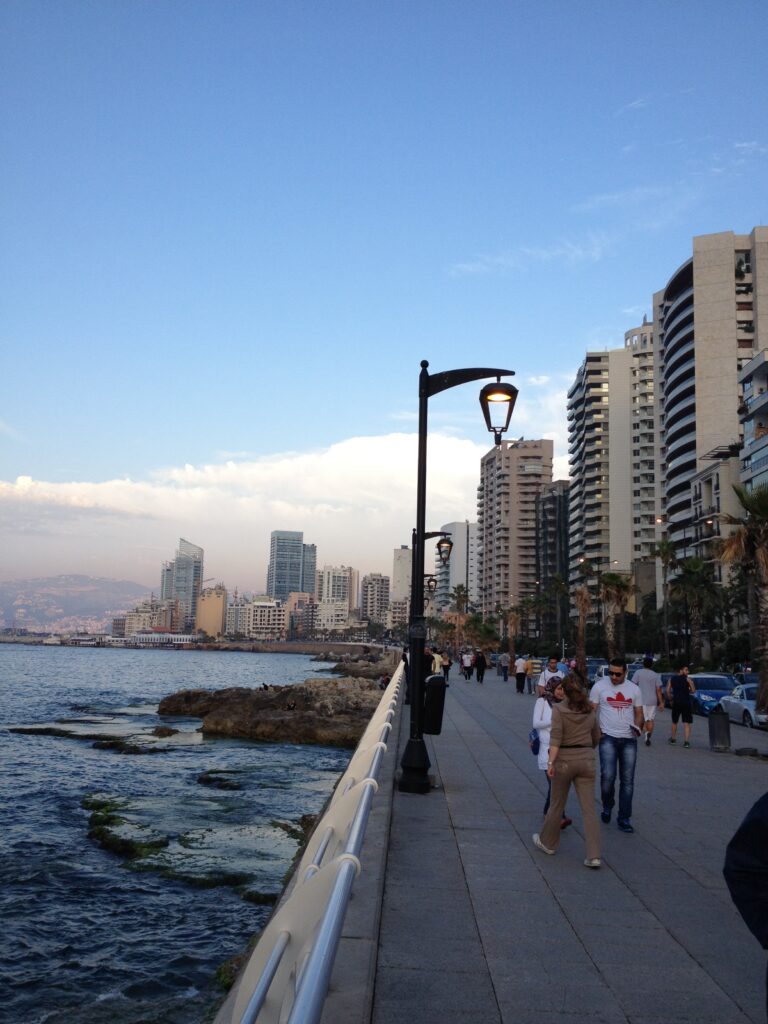
When one thinks of Beirut, the first thing that echoes in the heart is often the voice of Fairuz. Her songs carry the soul of Lebanon; melancholic, proud, tender, and timeless. Listening to her while walking through Beirut feels as if the city itself is singing. The sea breeze from the Mediterranean, the old balconies, the cafés filled with conversation… Everything seems to move with the rhythm of her music.
Beirut is not simply a place. It is a feeling.
Beirut also reminds us of Khalil Gibran, one of the most profound voices of literature. His words about humanity, love, exile, and freedom seem perfectly suited to this city that has experienced both beauty and sorrow.
Beirut carries that same philosophical spirit — a city that has endured wars, transformations, and rebirths, yet continues to inspire writers, artists, and dreamers. Like Gibran’s writings, Beirut is both wounded and hopeful at the same time.
Not the Paris of the East
For many years people called Beirut “the Paris of the East.”
But that description never felt right to me.
Beirut does not need comparison.
If anything, it should be the other way around: Paris could be called the Beirut of the West.
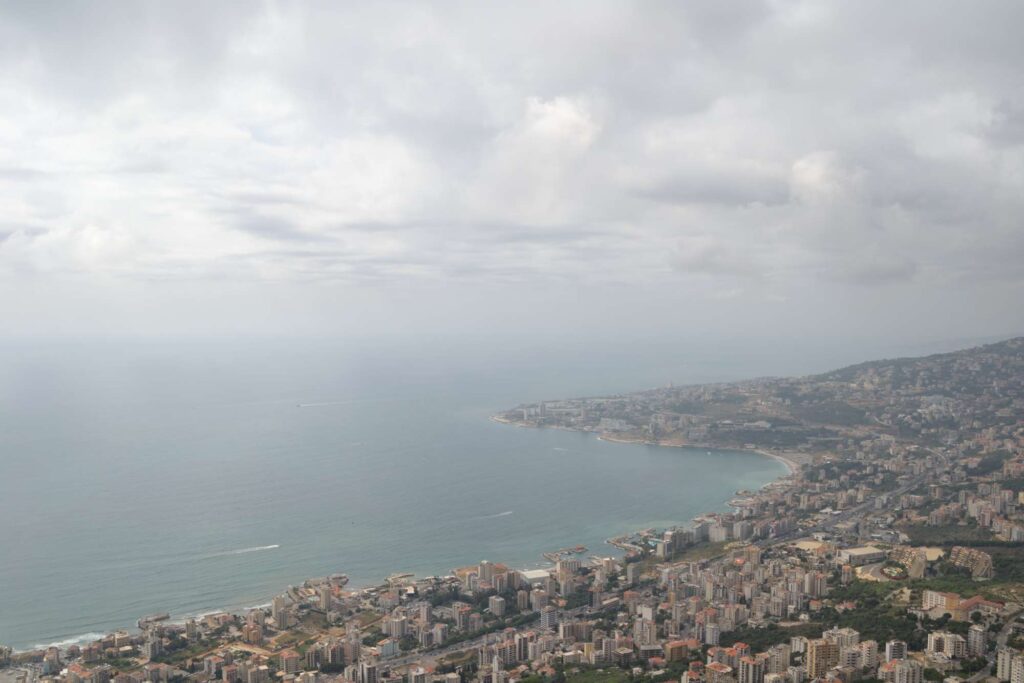
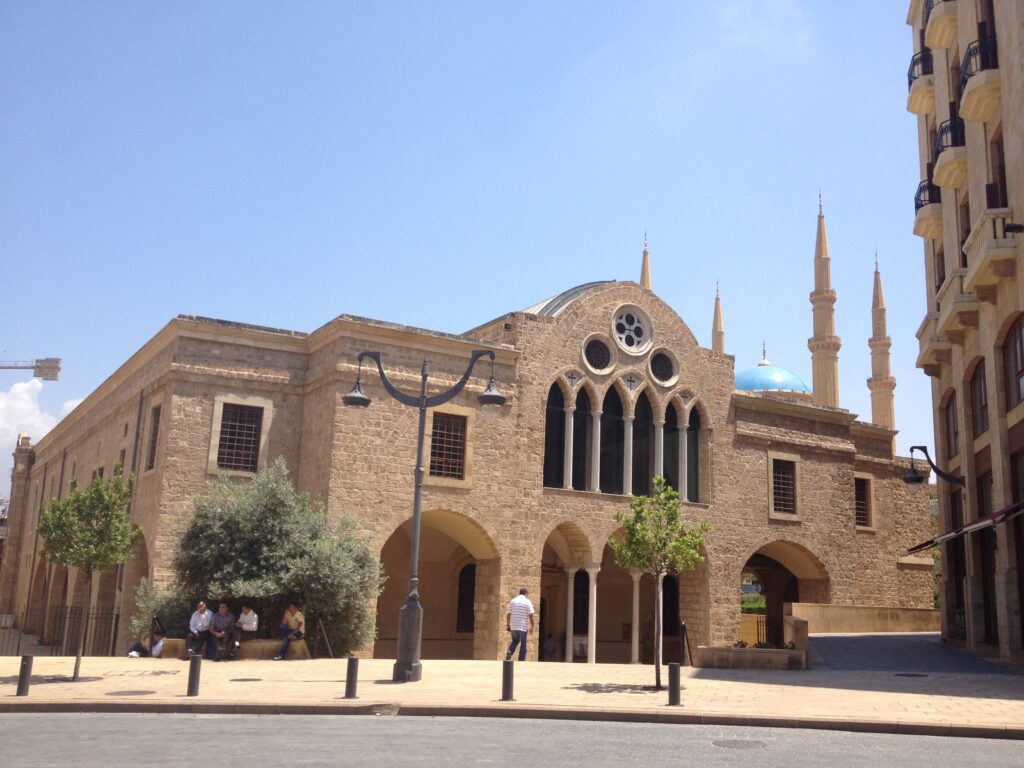
Because Beirut has something that cannot be replicated — a unique mixture of Mediterranean warmth, Arab culture, intellectual life, and an almost artistic resilience. The cafés, the conversations, the architecture layered with history, the sea always visible somewhere — it creates a character that belongs only to Beirut.
A Cuisine That Needs No Debate
And then there is Beirut’s cuisine — which, without exaggeration, can easily be called one of the best in the world. In fact, many would say there is no real objection to that statement.
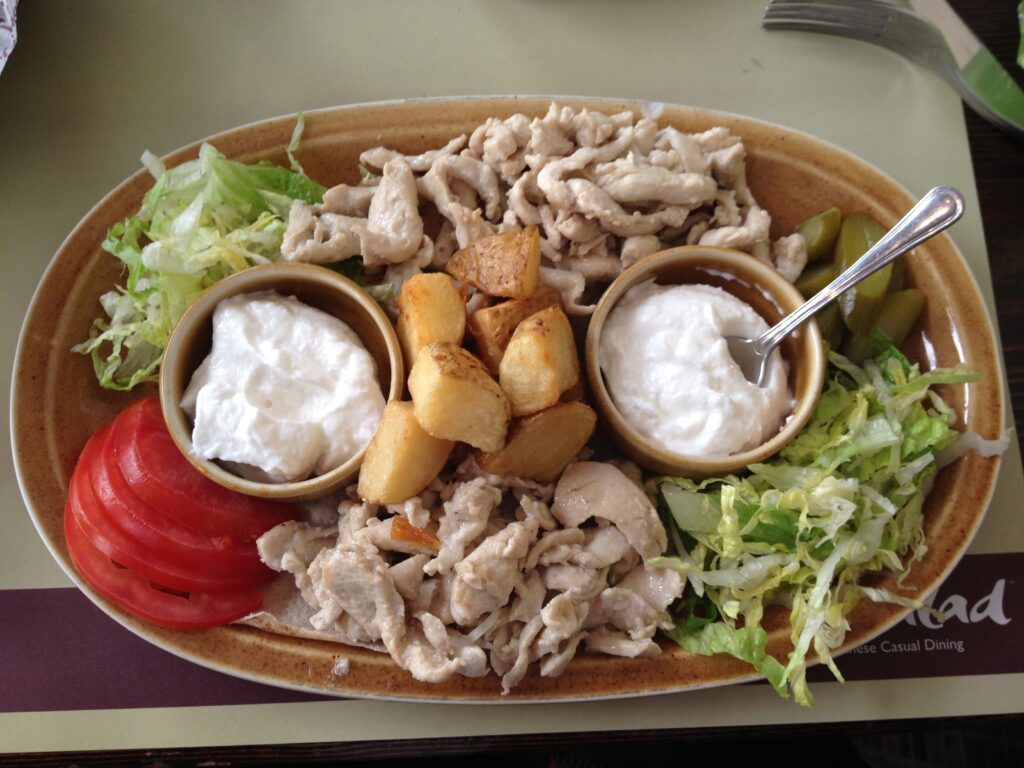
Lebanese cuisine combines freshness, balance, and generosity in a way that few culinary traditions achieve. A table in Beirut quickly fills with colors and aromas: hummus, tabbouleh, baba ghanoush, grilled meats, fresh bread, olive oil, herbs, and spices. Meals are never rushed; they are meant to be shared, talked over, and enjoyed slowly.
Dining in Beirut is not just eating — it is a social and cultural experience. Whether in a small neighborhood restaurant or a seaside café overlooking the Mediterranean, the food reflects the same spirit as the city itself: vibrant, welcoming, and full of life.
Abdulhak Hamit and Beirut
Beirut has also touched the hearts of poets beyond Lebanon. The great Ottoman poet Abdülhak Hâmid Tarhan wrote one of his most emotional verses here after losing his beloved wife. His grief still echoes through his famous lines:
Eyvah! Ne yer, ne yar kaldı,
Gönlüm dolu âh-u zâr kaldı.Şimdi buradaydı gitti elden,
Gitti ebede gelip ezelden.Ben gittim, o hâksar kaldı,
Bir gûşede târmâr kaldı;Bâki o enis-i dilden, eyvâh!
Beyrut’ta bir mezar kaldı.
These verses carry a deep sorrow. Yet they also show how deeply Beirut can touch the human soul. Even in grief, the city becomes part of memory, part of poetry.
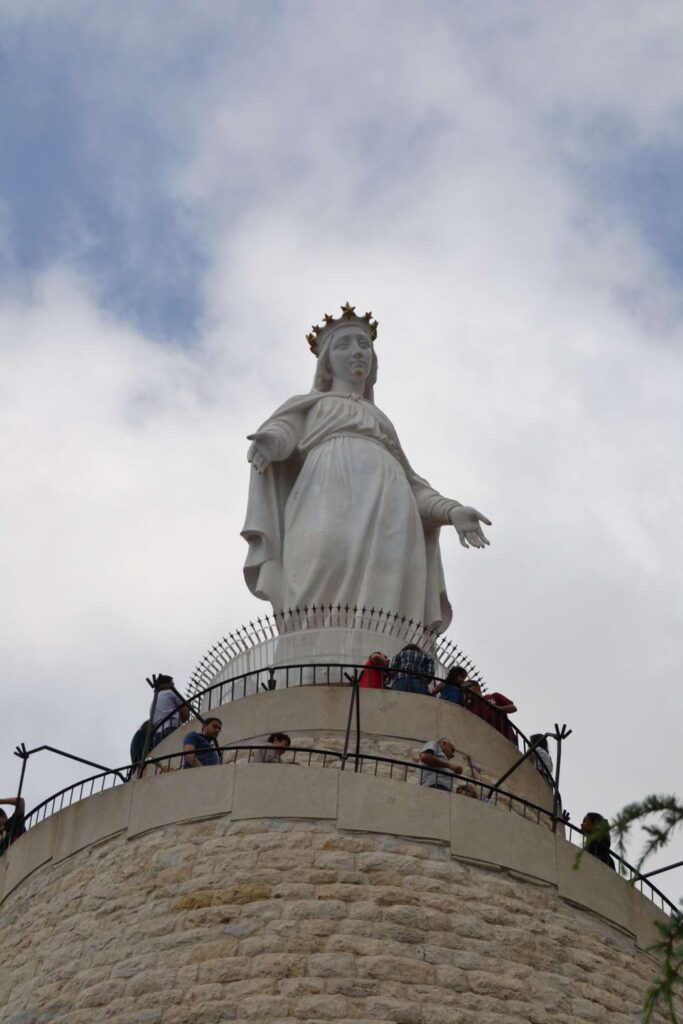
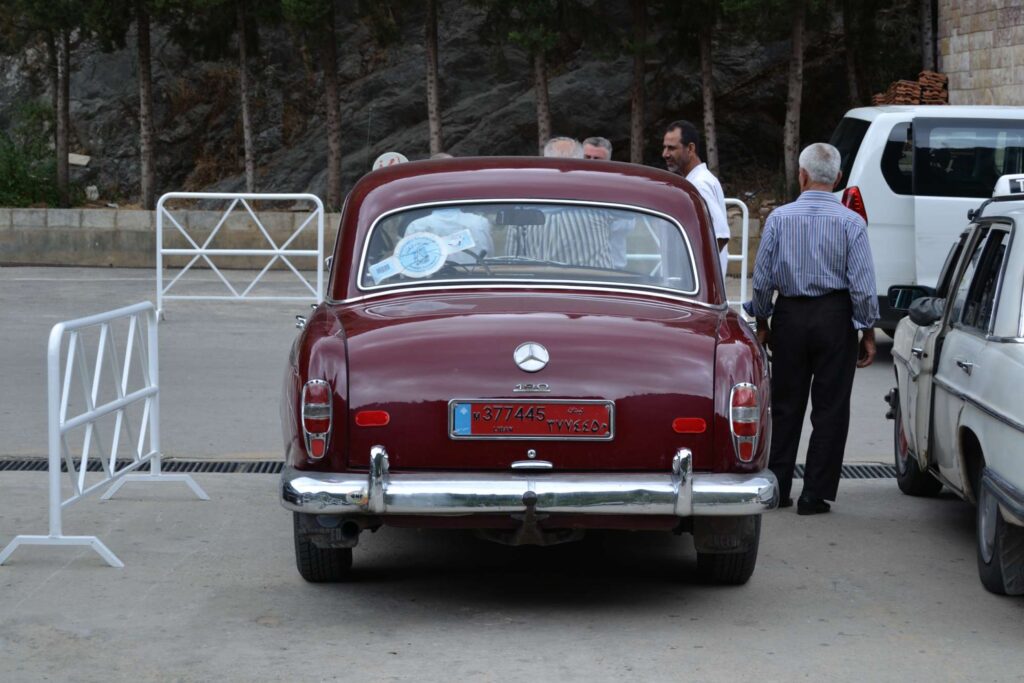
Beirut has experienced hardship many times throughout its history. Yet the city continues to stand, rebuild, and live with remarkable energy. Walk through its streets and you see life everywhere: cafés full of conversations, music drifting from restaurants, artists, students, travelers, and locals sharing the same vibrant space.
The Mediterranean light reflects on the old buildings, and the city feels alive in a way that few places in the world do.
One of the Greatest Cities on Earth
For me, Beirut is one of the most remarkable cities in the world. Not only because of its history, architecture, or culture; but because of its spirit.
It is a city where music, poetry, tragedy, beauty, and resilience all exist together.
A city where Fairuz sings, where Gibran’s spirit lingers, where poets mourn and dream, and where the Mediterranean reminds everyone that life continues.
And where the food, the conversations, and the sea create a rhythm of life that is simply unforgettable.
Beirut is not simply a destination.
It is a story’ One of the most powerful stories a city can tell.
Tell us about your thoughtsWrite message