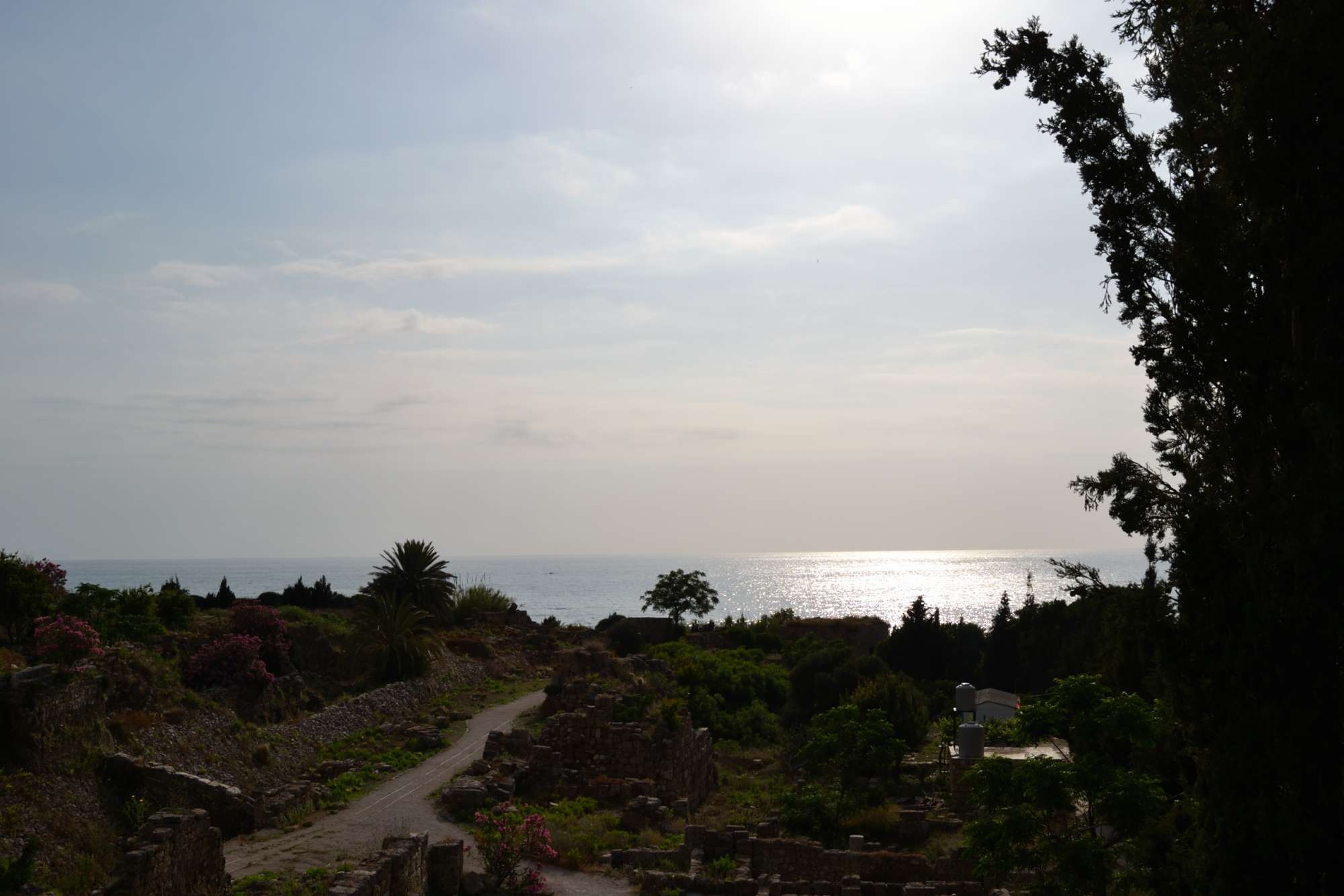
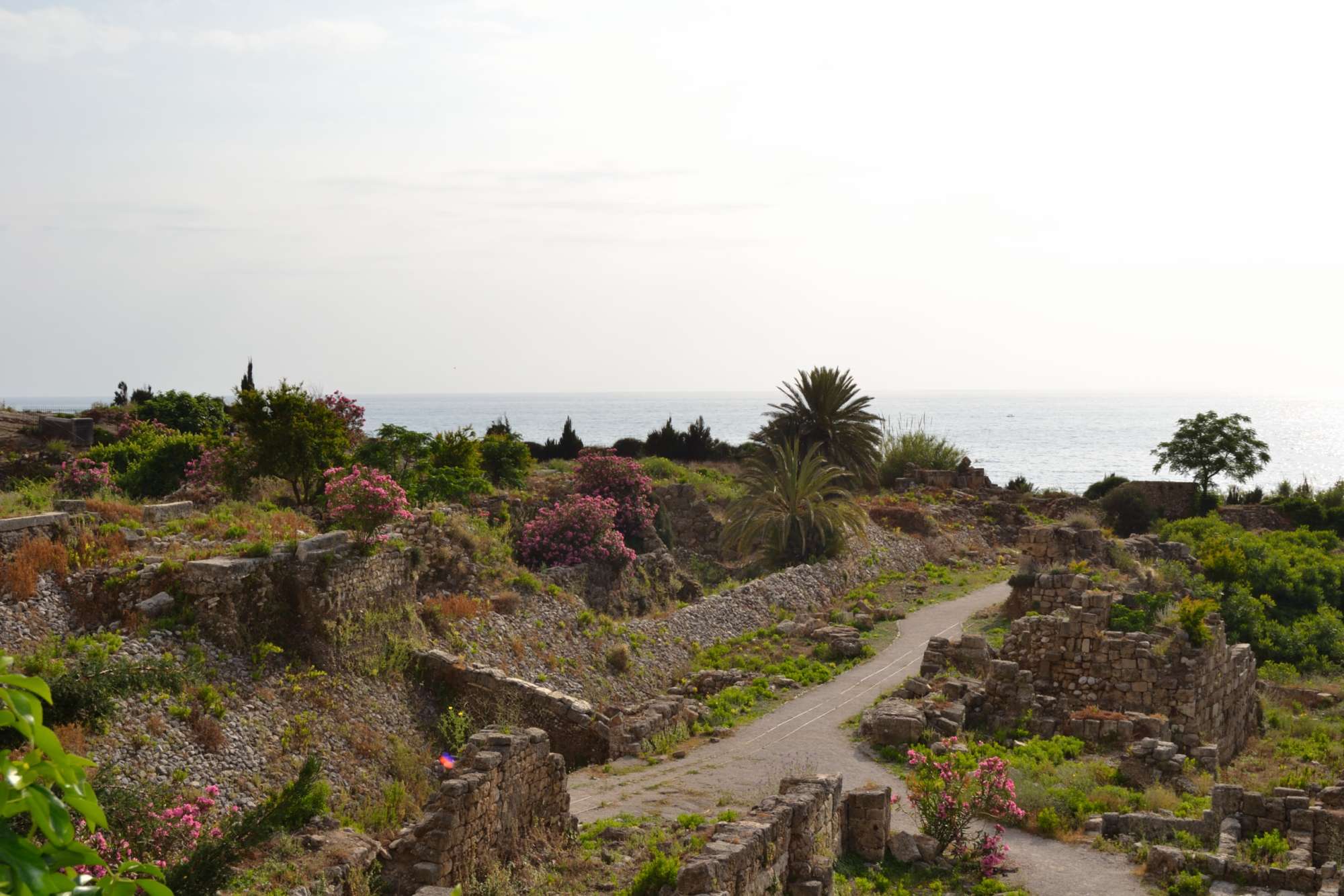
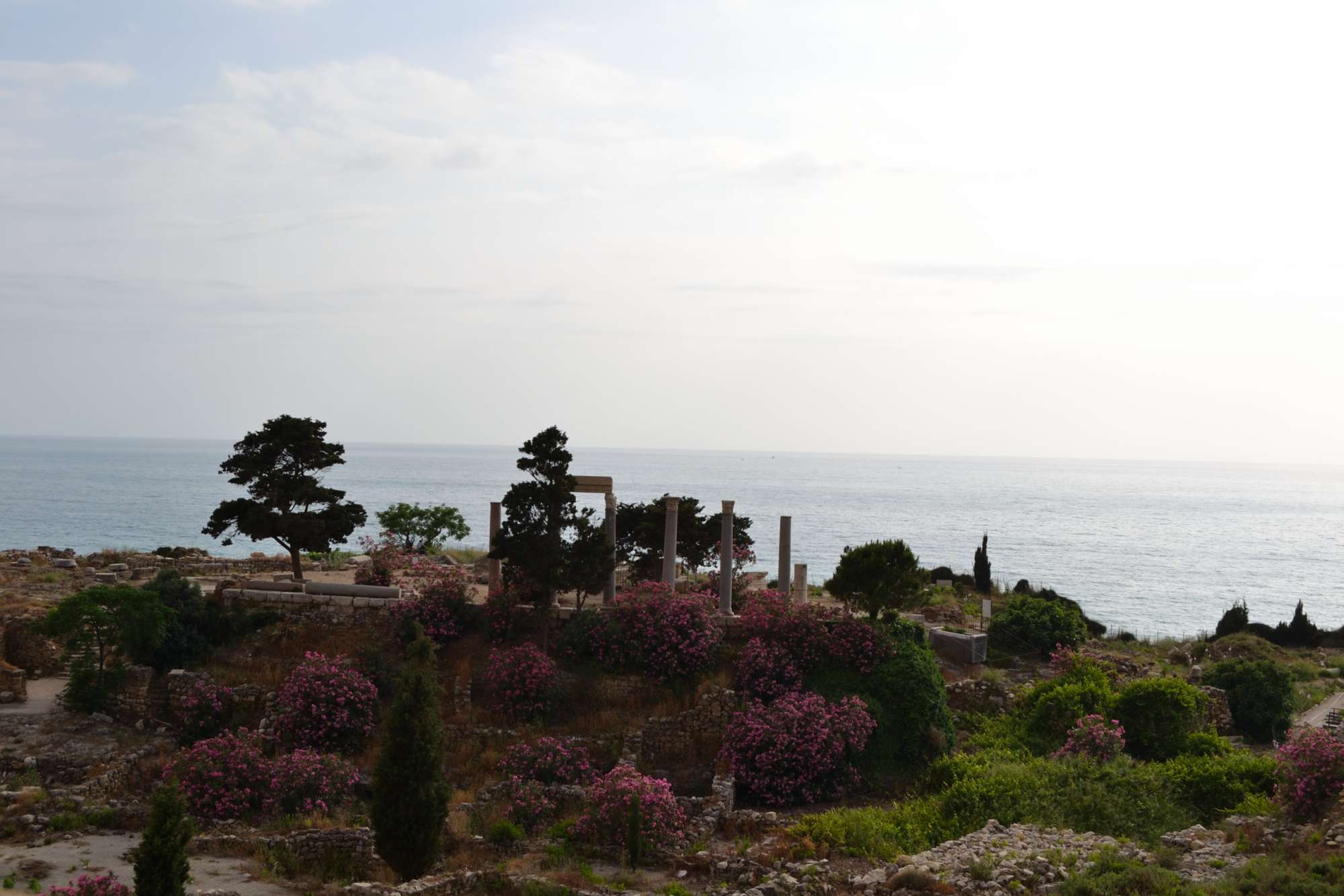
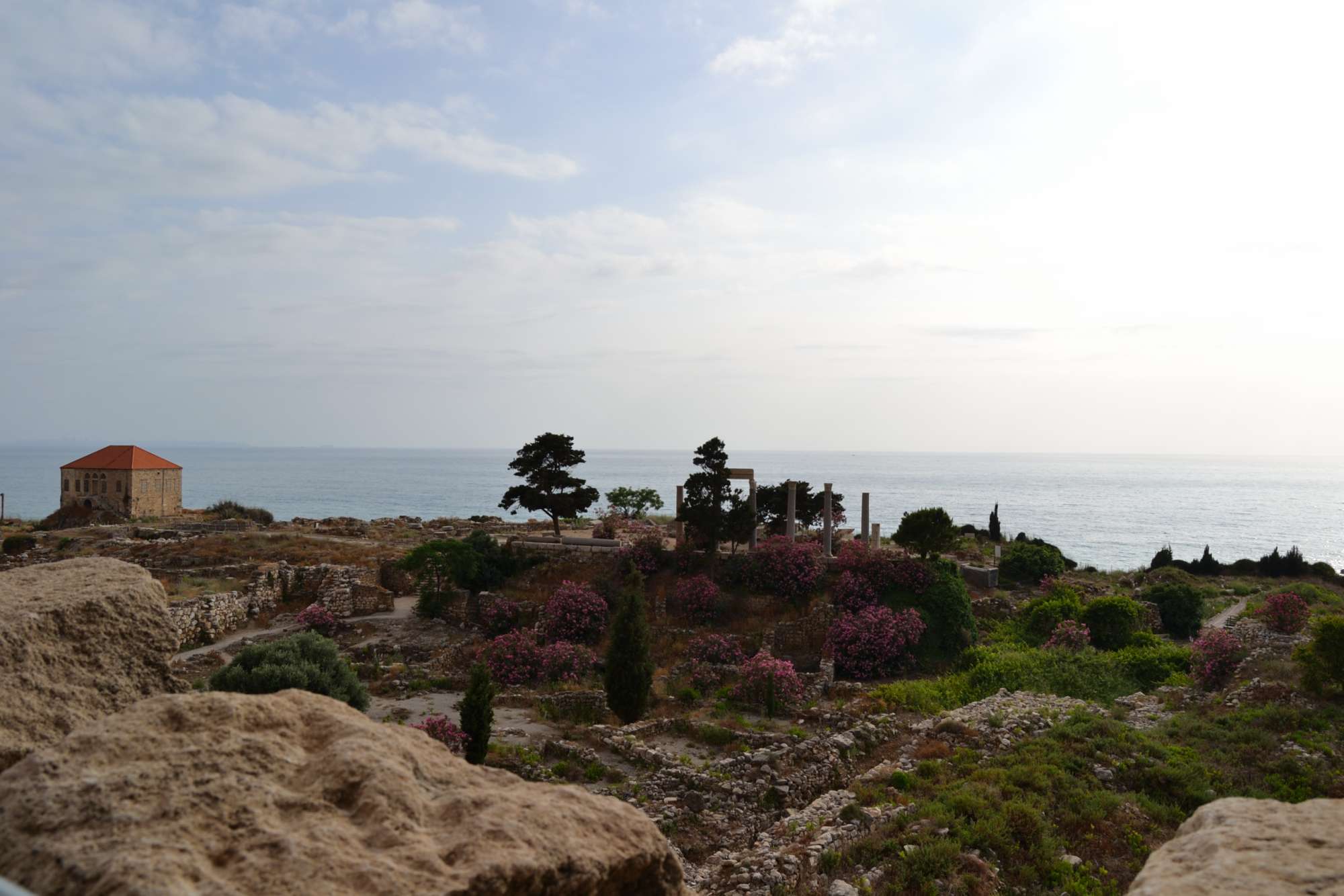
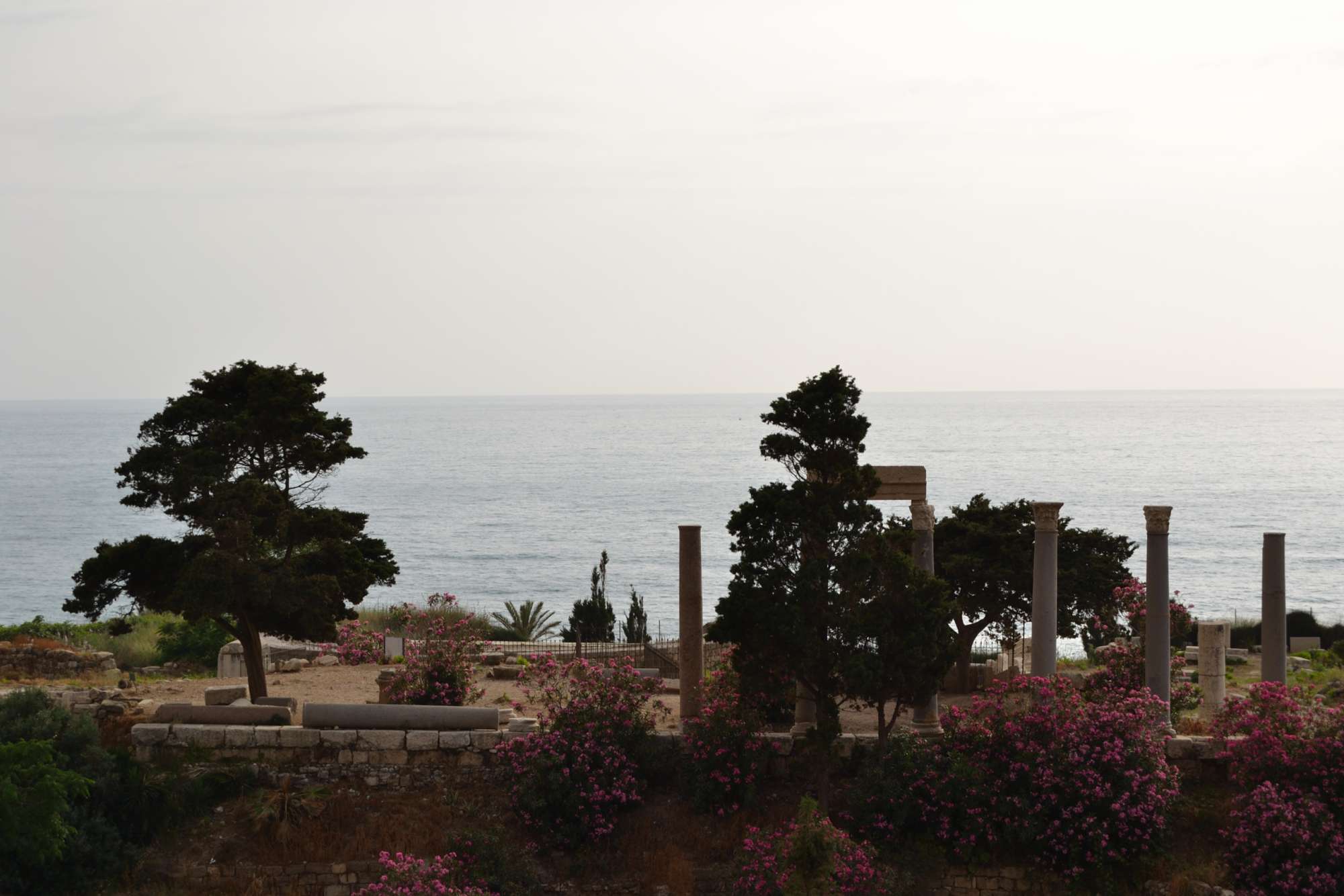
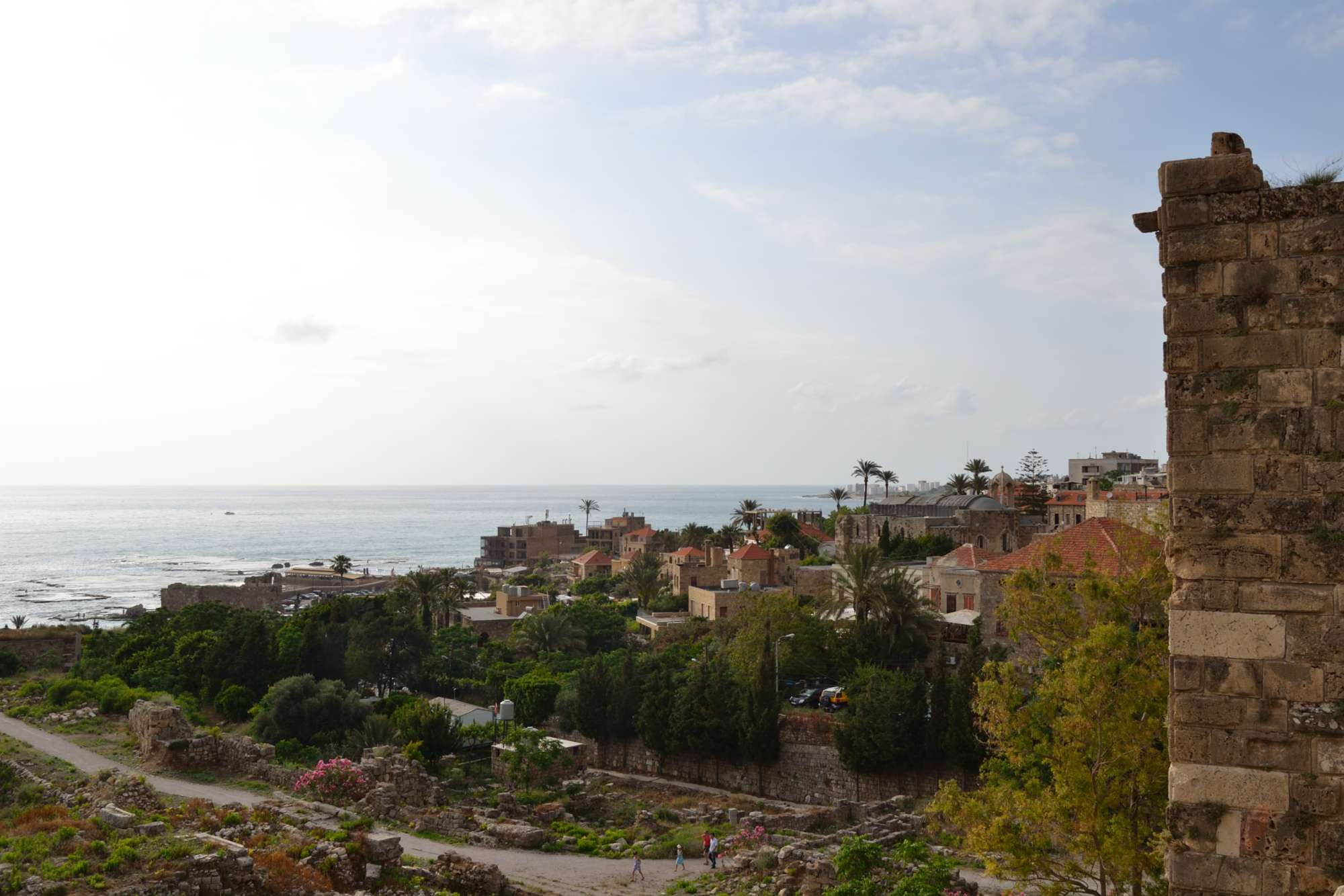
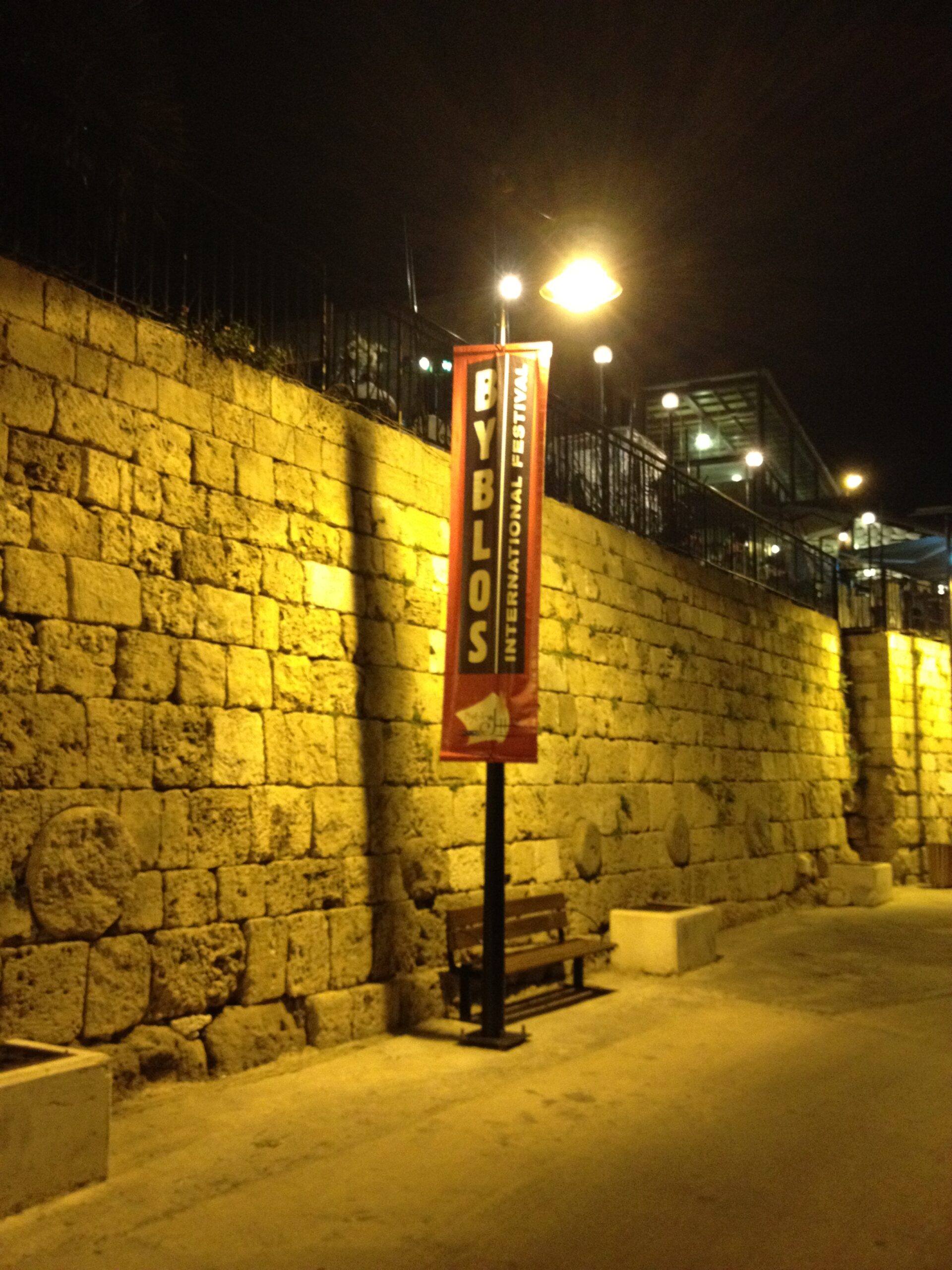
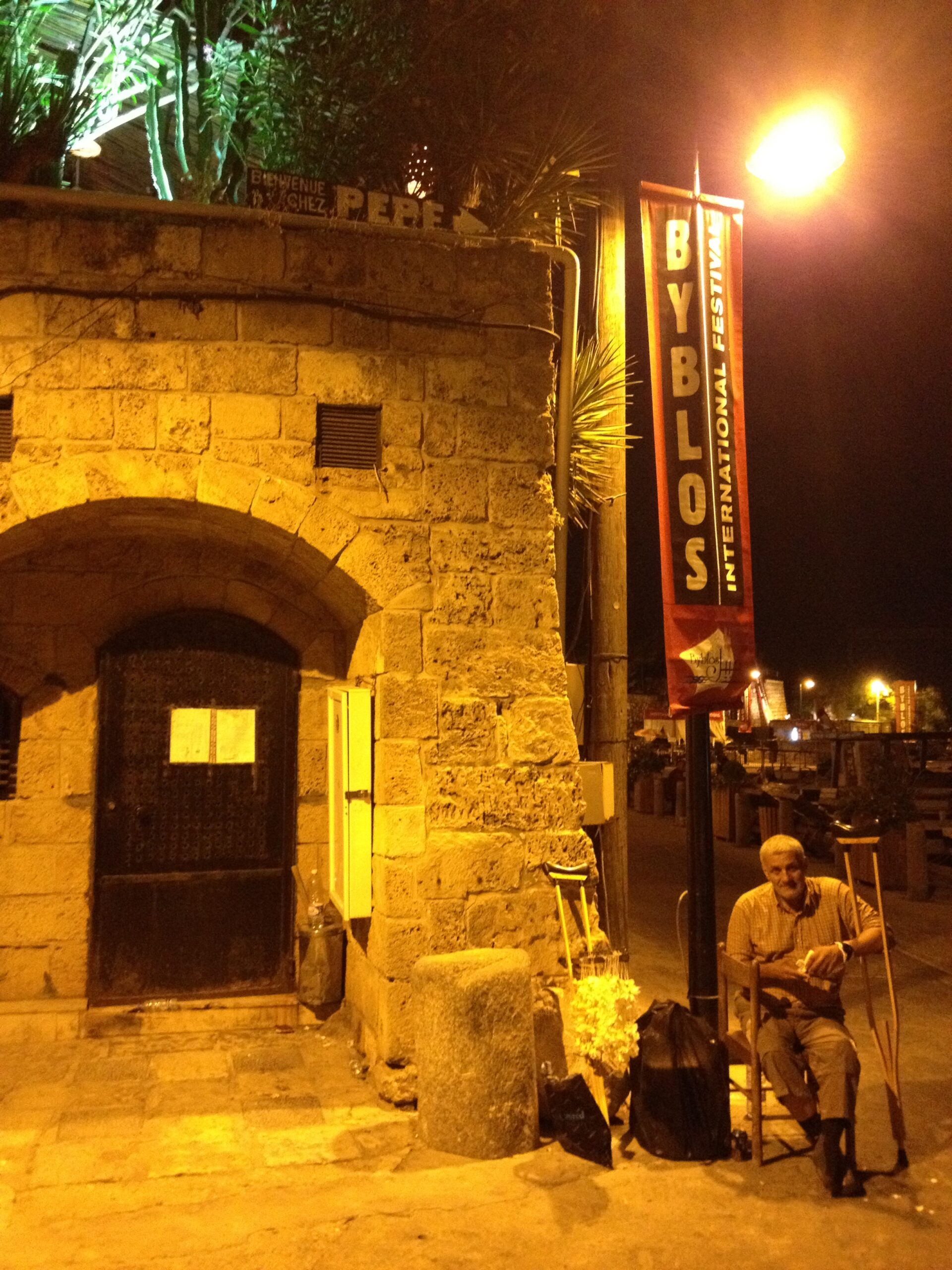
Byblos is a city where time seems to move differently. Standing on the shores of the Mediterranean, it is often considered one of the oldest continuously inhabited cities in the world, a place where layers of civilization have accumulated for thousands of years.
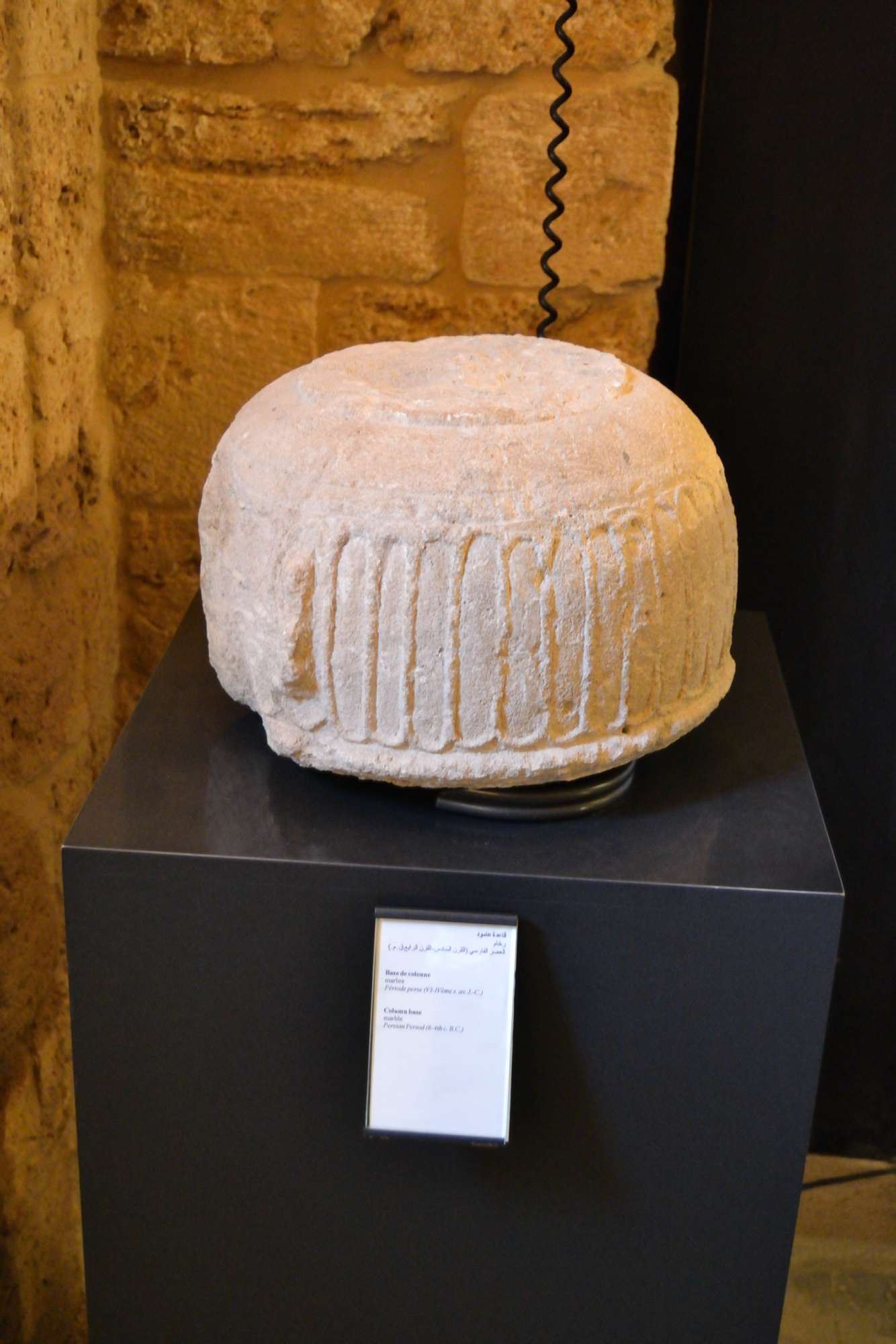
Walking through Byblos feels like traveling through history. Phoenician harbors, Crusader castles, ancient temples, and quiet stone streets exist side by side, telling the story of a city that has witnessed the rise and fall of countless civilizations. Merchants, sailors, and travelers once passed through this port carrying cedar wood, papyrus, and ideas that shaped the ancient Mediterranean world.
The city’s name itself is deeply connected with history. From Byblos comes the word “Bible,” reflecting the role the city once played in the trade of papyrus manuscripts across the Mediterranean. It was a place where knowledge, culture, and commerce moved between continents.
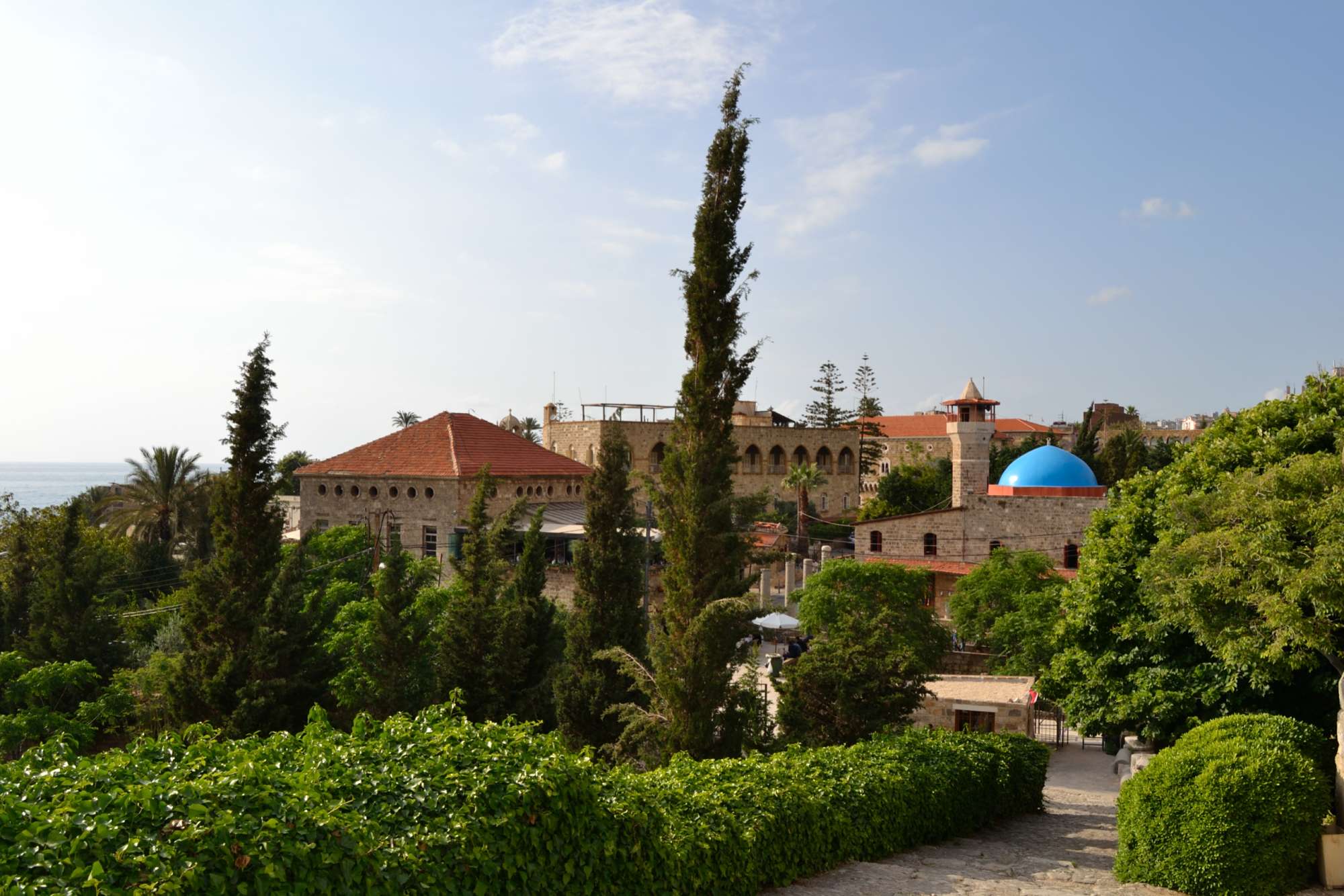
Today, Byblos retains a remarkable atmosphere. The old harbor, lined with fishing boats and stone buildings, creates a scene that feels almost timeless. The narrow streets of the old town, filled with small cafés, galleries, and markets, preserve the character of a city that has evolved gently through centuries.
Byblos is not only an archaeological treasure but also a living city where the past and present coexist naturally. Every corner reveals a fragment of history, yet the rhythm of everyday life continues along the same streets where ancient traders once walked.
It is a place where the Mediterranean breeze carries stories thousands of years old, and where history is not just remembered, but quietly lived.