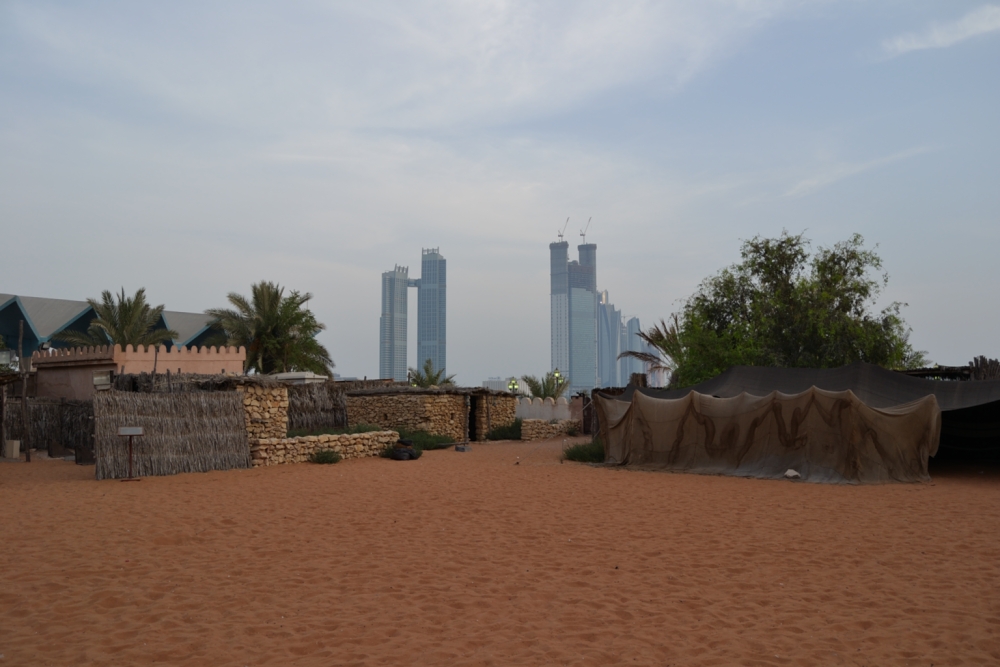
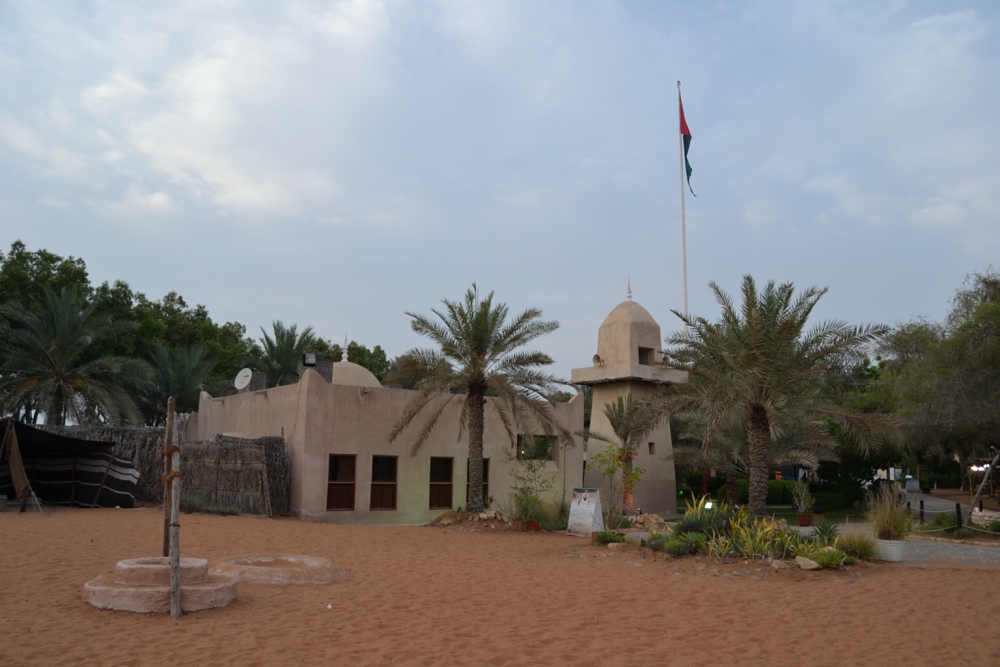
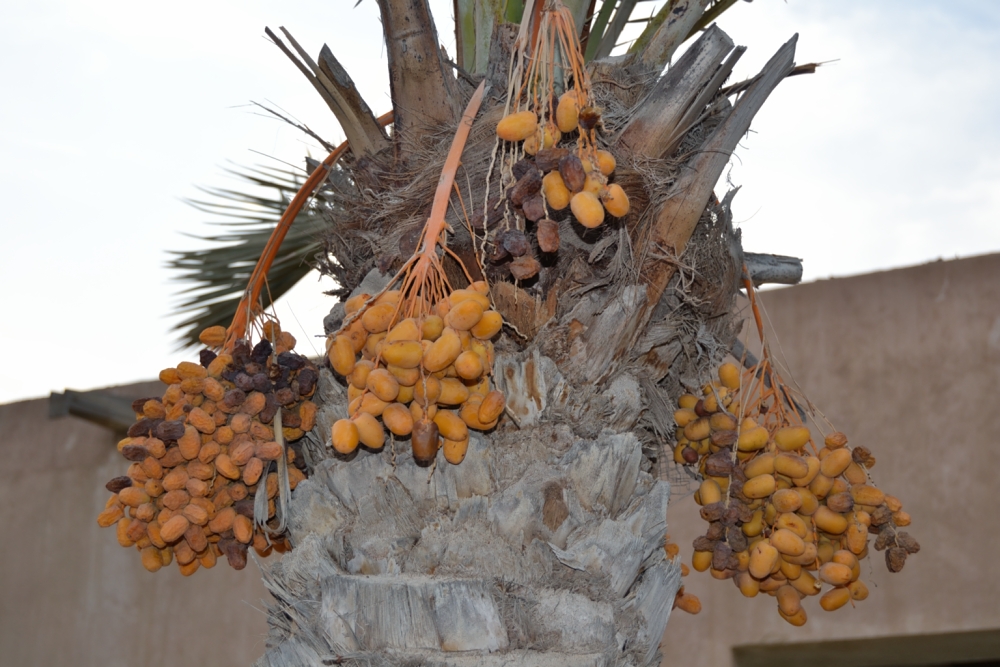
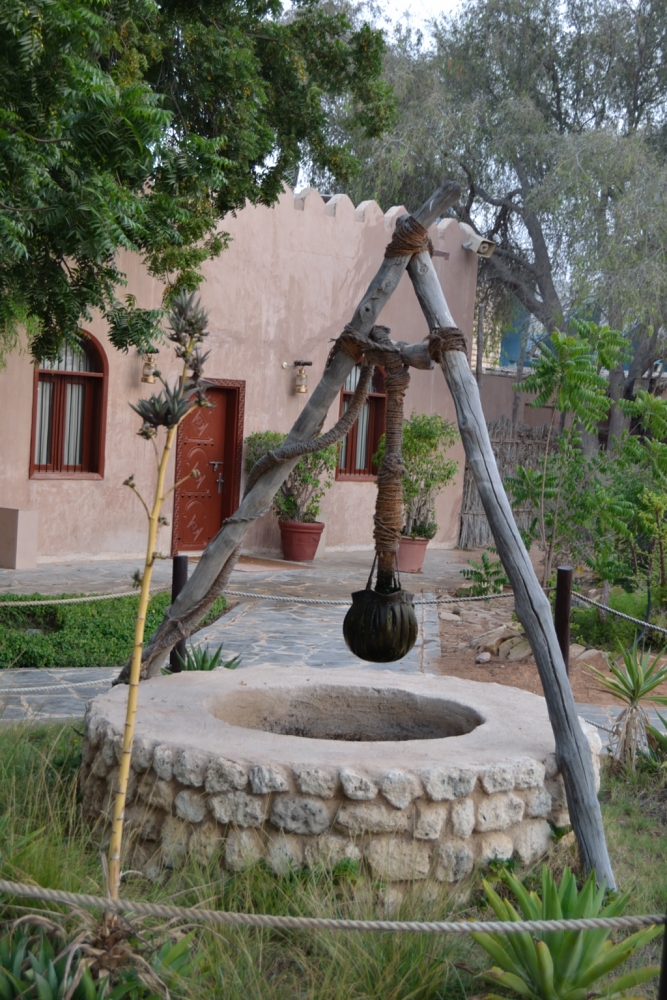
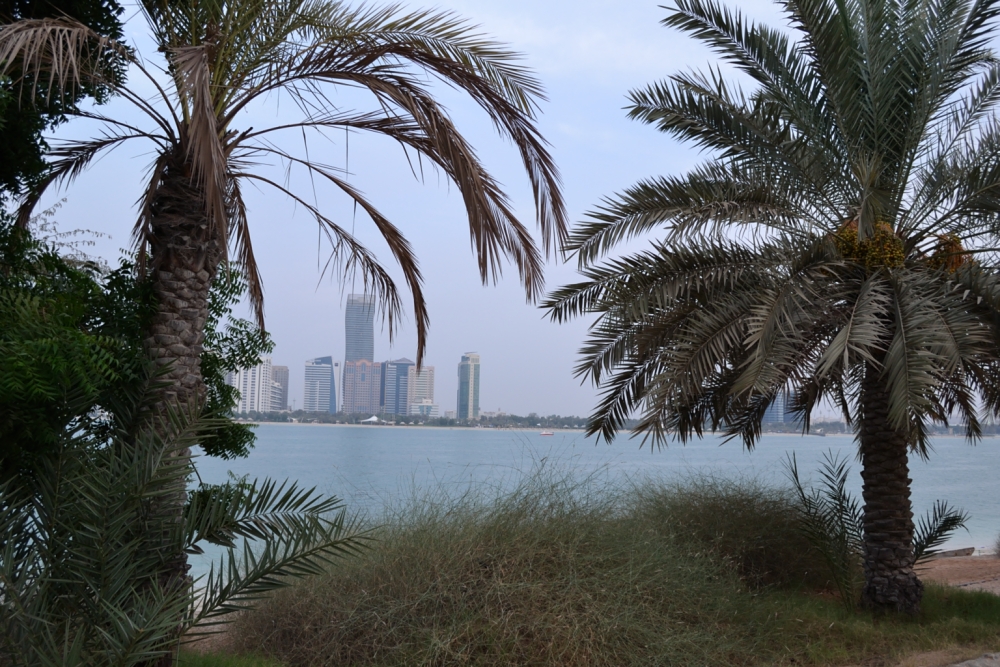
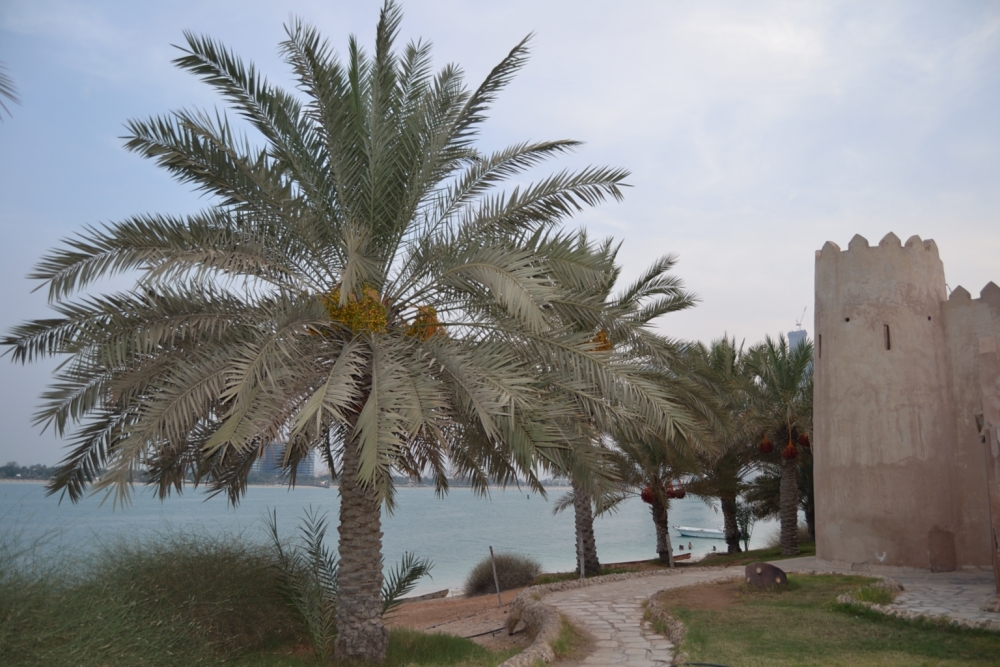
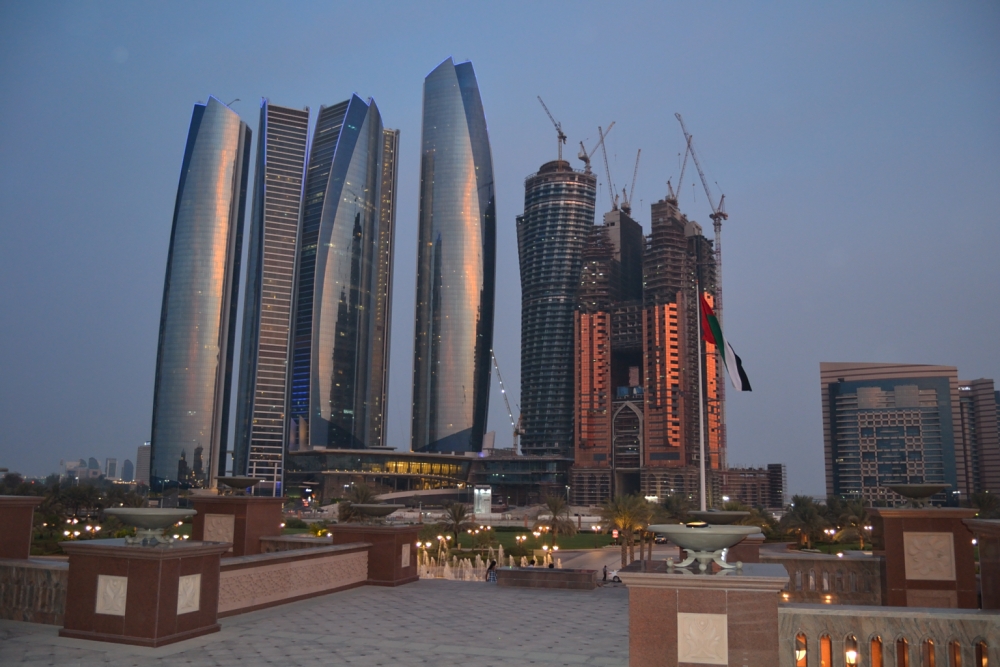
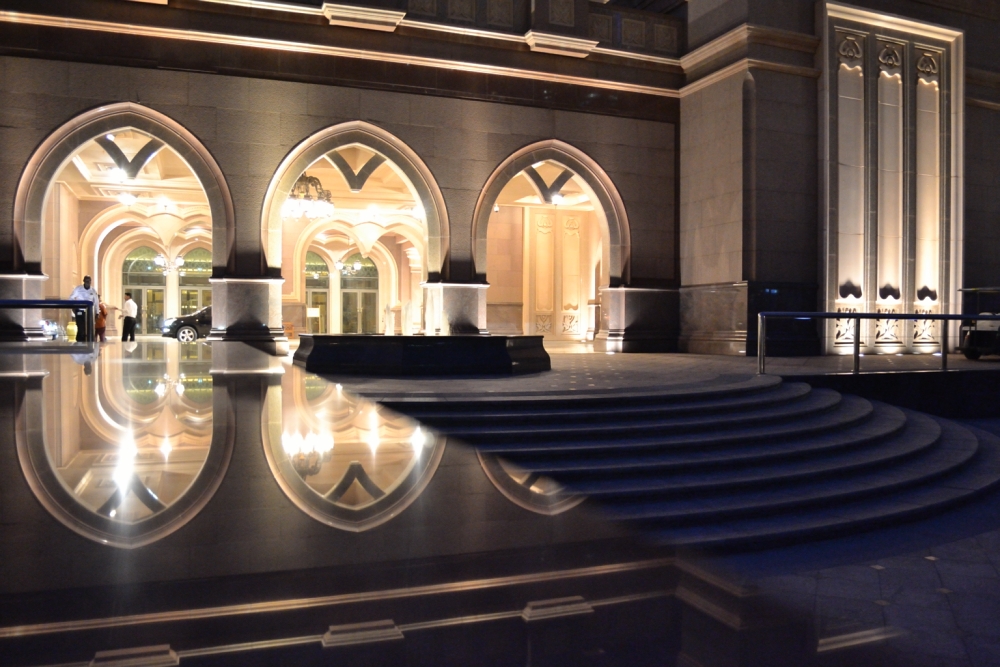
Abu Dhabi is a city where tradition and modern vision meet along the calm waters of the Arabian Gulf. As the capital of the United Arab Emirates, it represents both the deep cultural heritage of the region and the remarkable transformation that has taken place in the Gulf over recent decades.
The city rises from the desert with wide boulevards, elegant mosques, and modern architecture that reflects ambition and forward thinking. Yet beneath this modern landscape lies a long history of desert life, maritime trade, and the traditions of Bedouin culture that continue to shape the identity of the emirate.
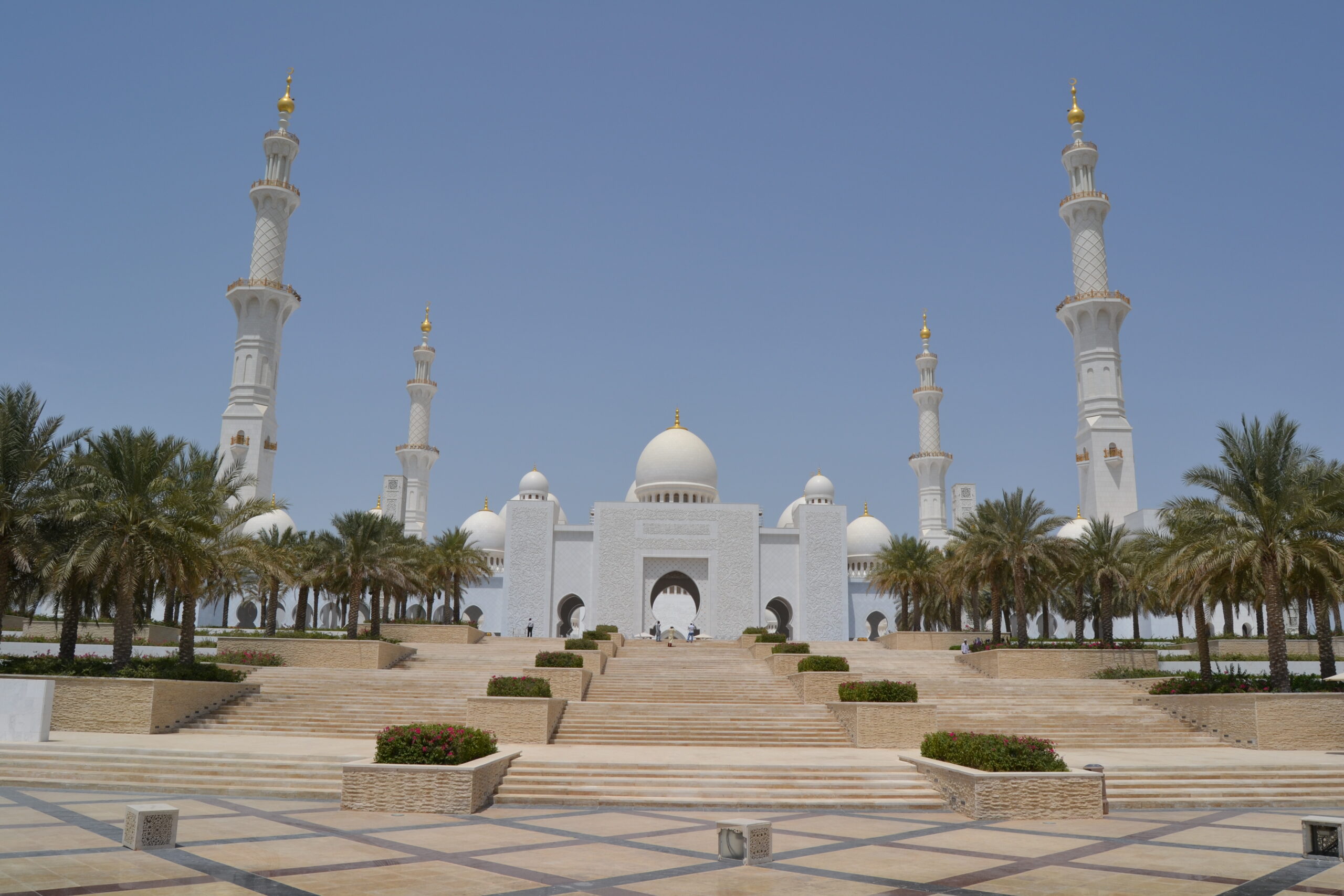
One of the most powerful symbols of the city is the magnificent Sheikh Zayed Grand Mosque, a masterpiece of Islamic architecture that combines artistic traditions from across the Muslim world.
The founder of the United Arab Emirates, Zayed bin Sultan Al Nahyan, once expressed the spirit that shaped the country’s development:
“We cherish our past and build for the future.”
Few places reflect this idea as clearly as Abu Dhabi. The city balances heritage and progress — where desert traditions, Islamic architecture, and modern urban life exist together.
Abu Dhabi is not only a center of governance and culture, but also a place where the horizon of the desert meets the sea, and where the vision of a nation continues to shape a remarkable modern capital.
“In the empty desert, I found freedom unattainable in civilization.”
— Wilfred Thesiger, Arabian Sands