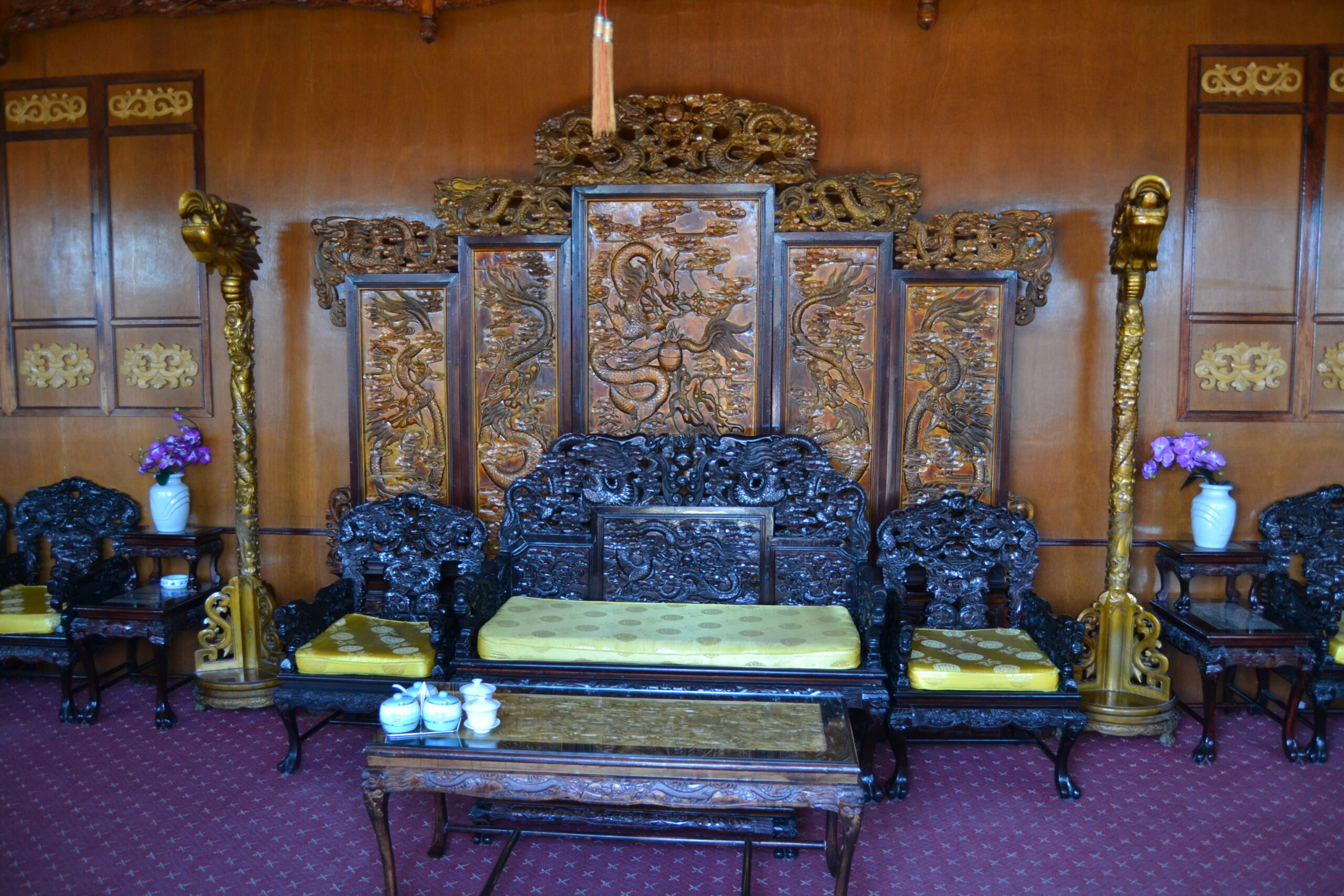
Chengde is a city shaped by imperial vision and natural beauty. Located in the mountains northeast of Beijing, it once served as the summer retreat of the Qing emperors, a place where rulers escaped the heat of the capital and governed from a landscape of gardens, palaces, and temples.
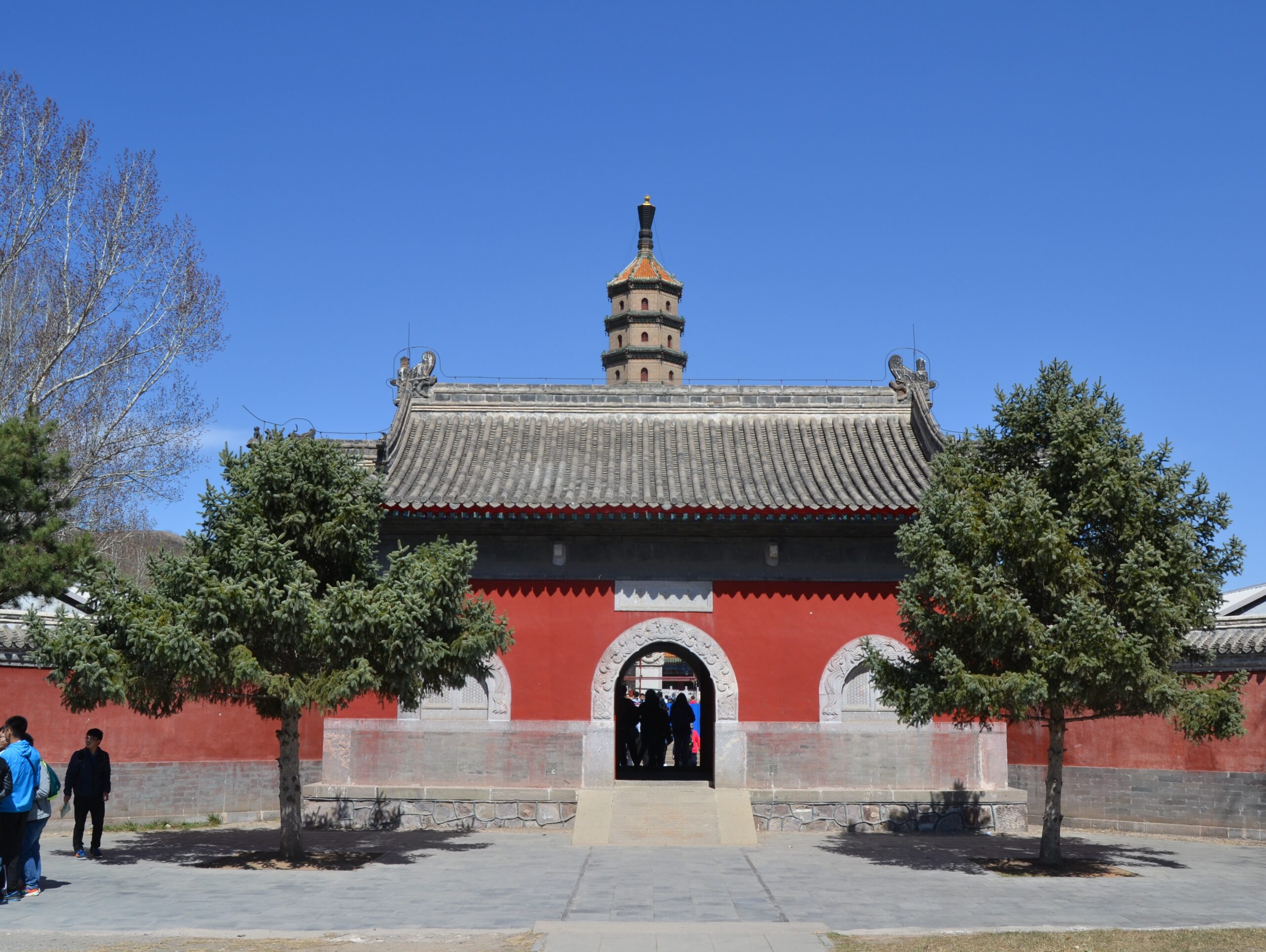
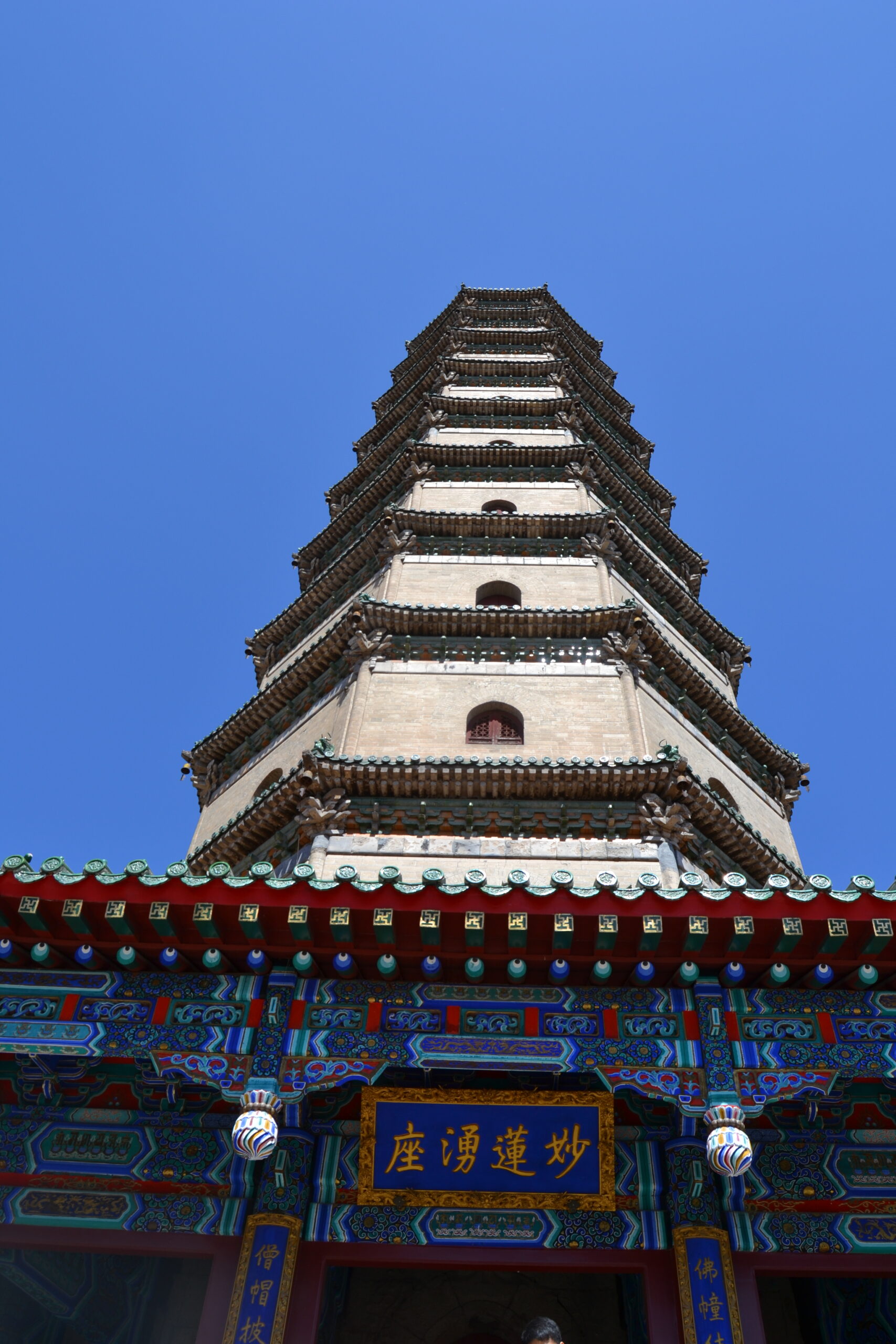
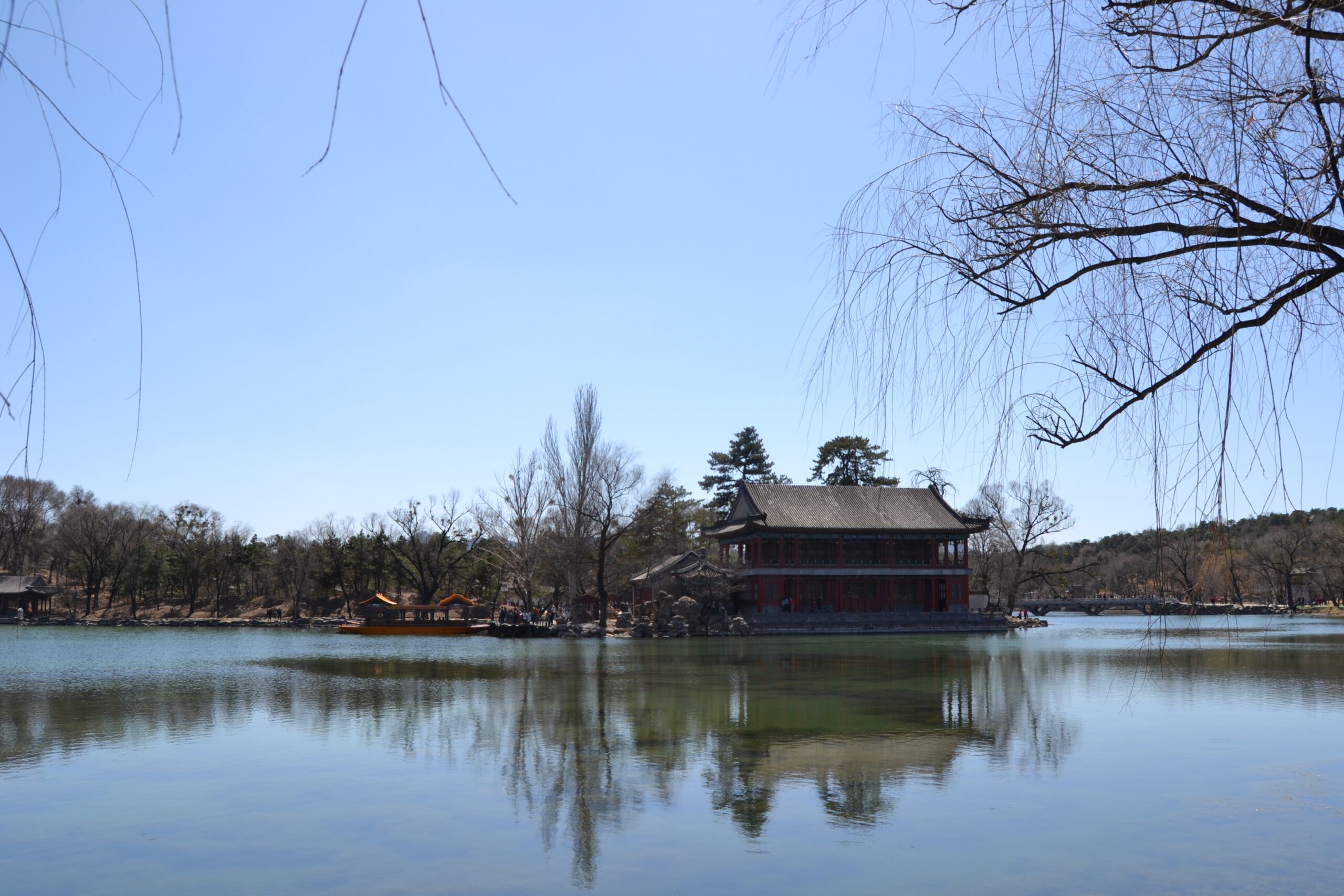
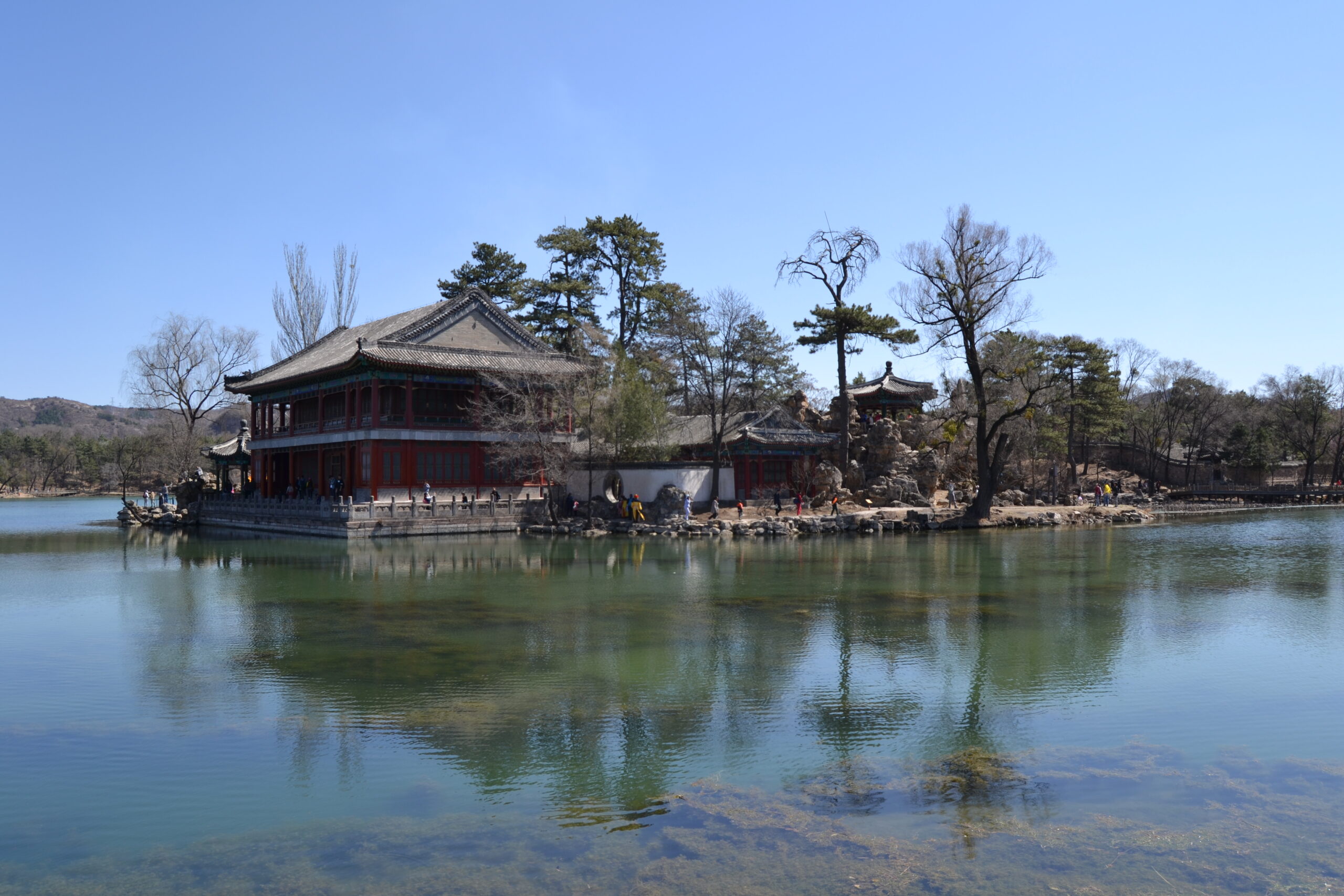
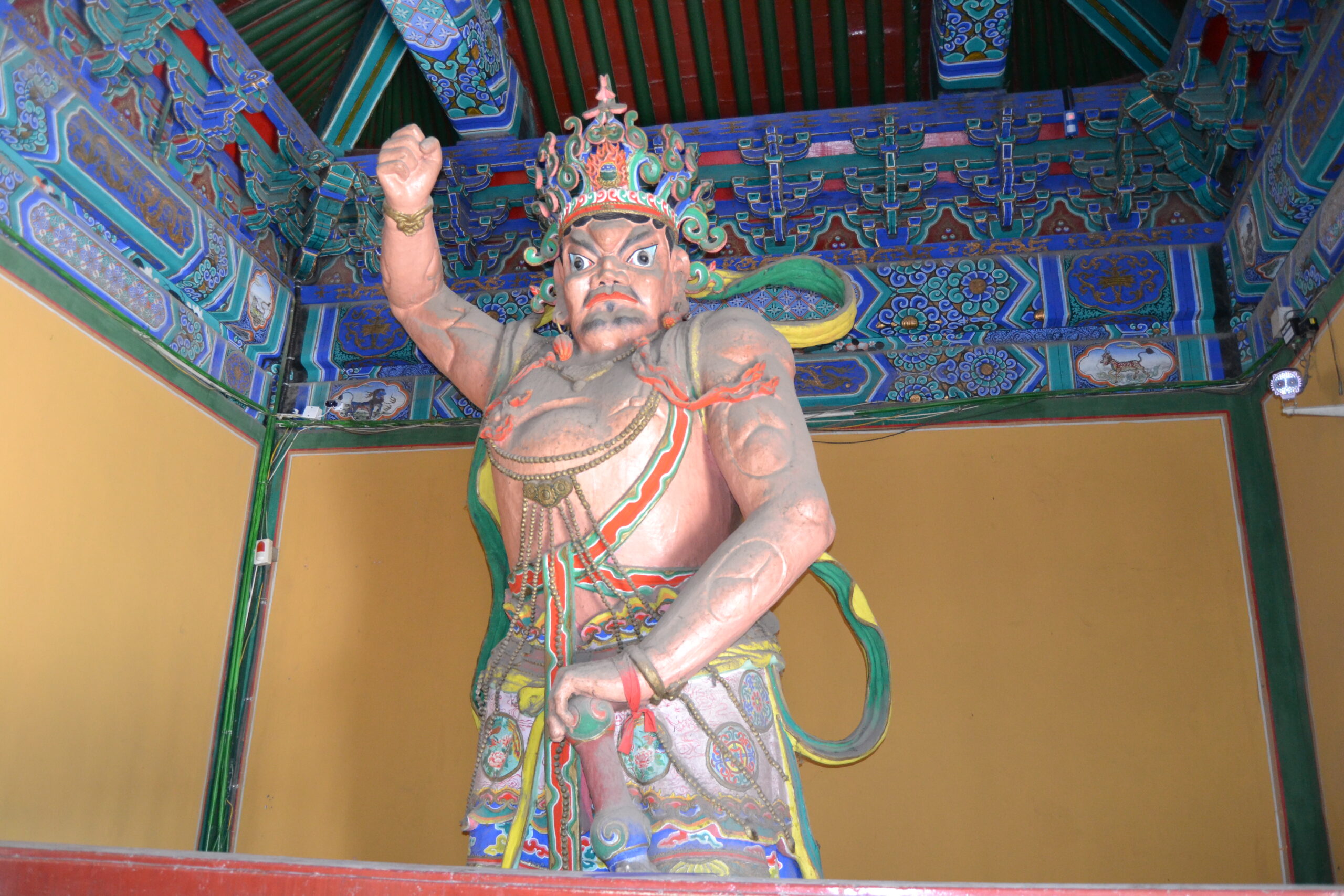
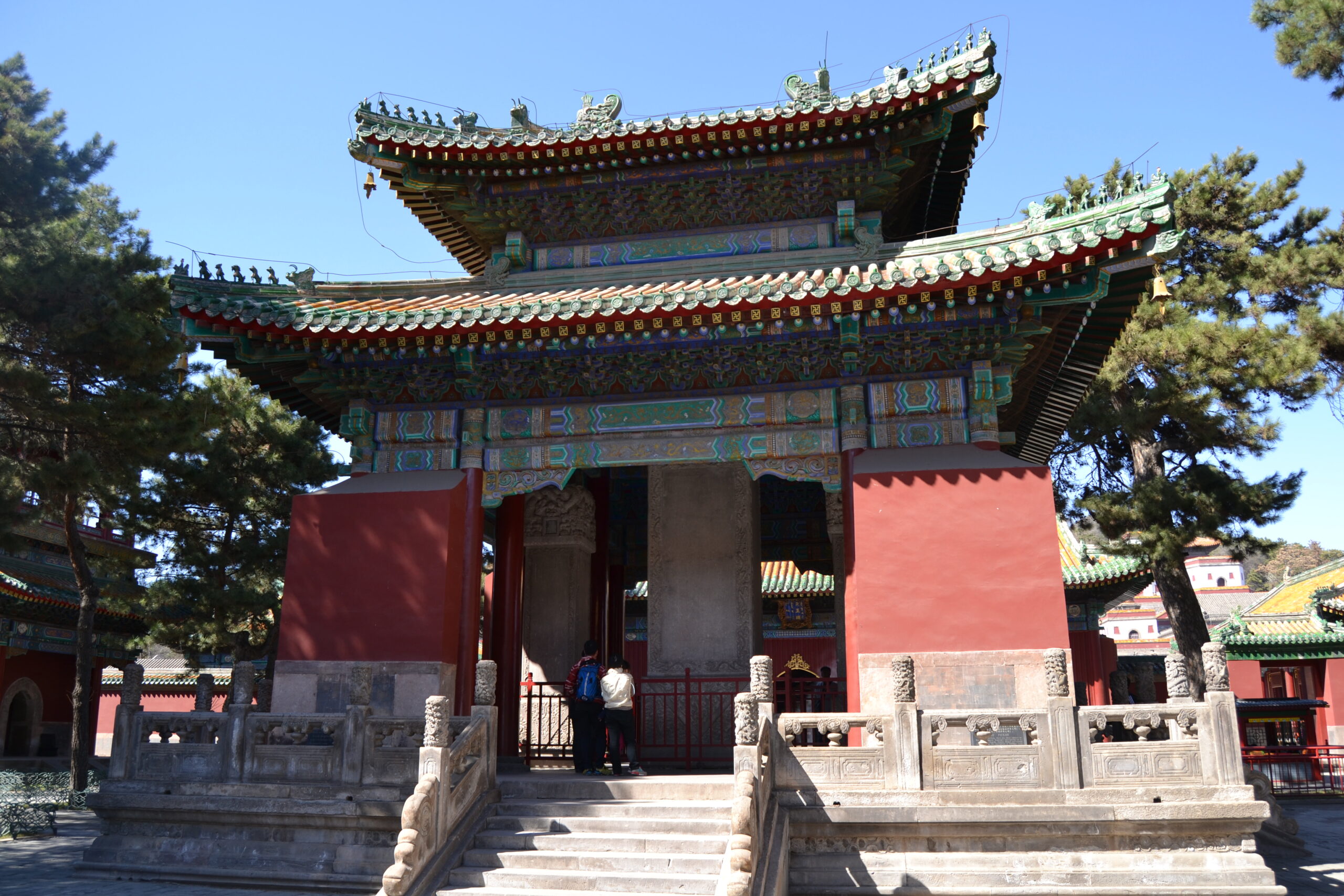
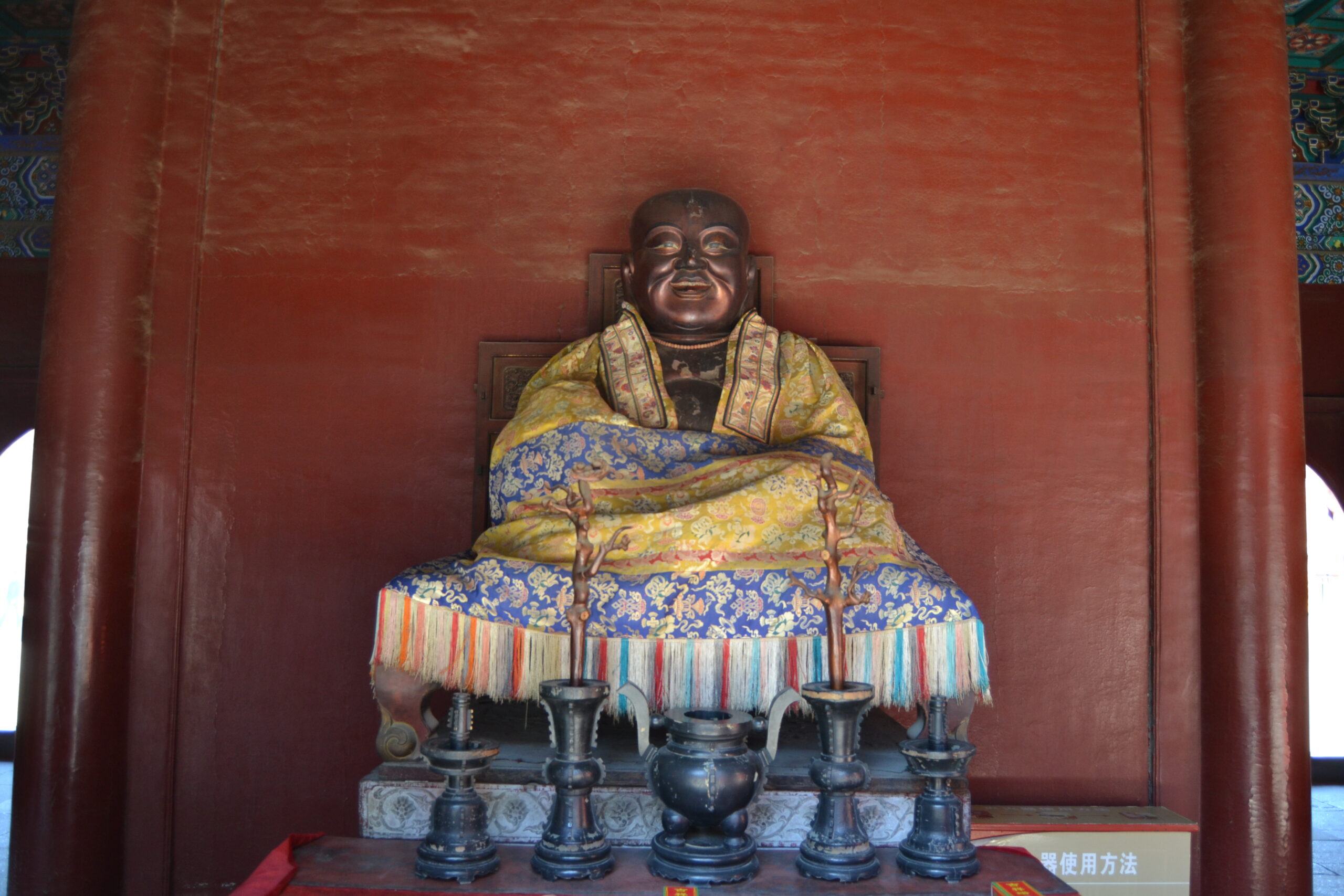
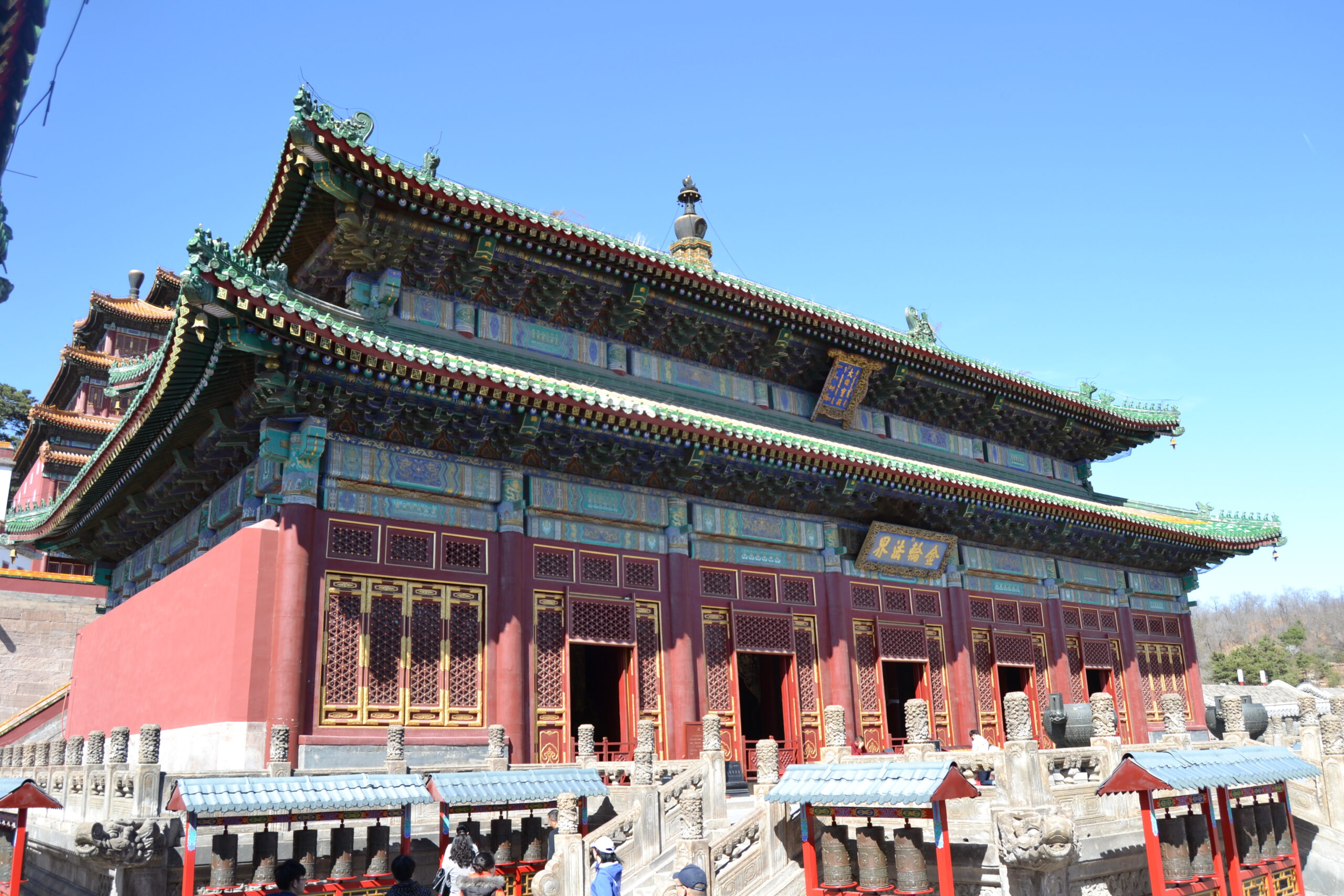
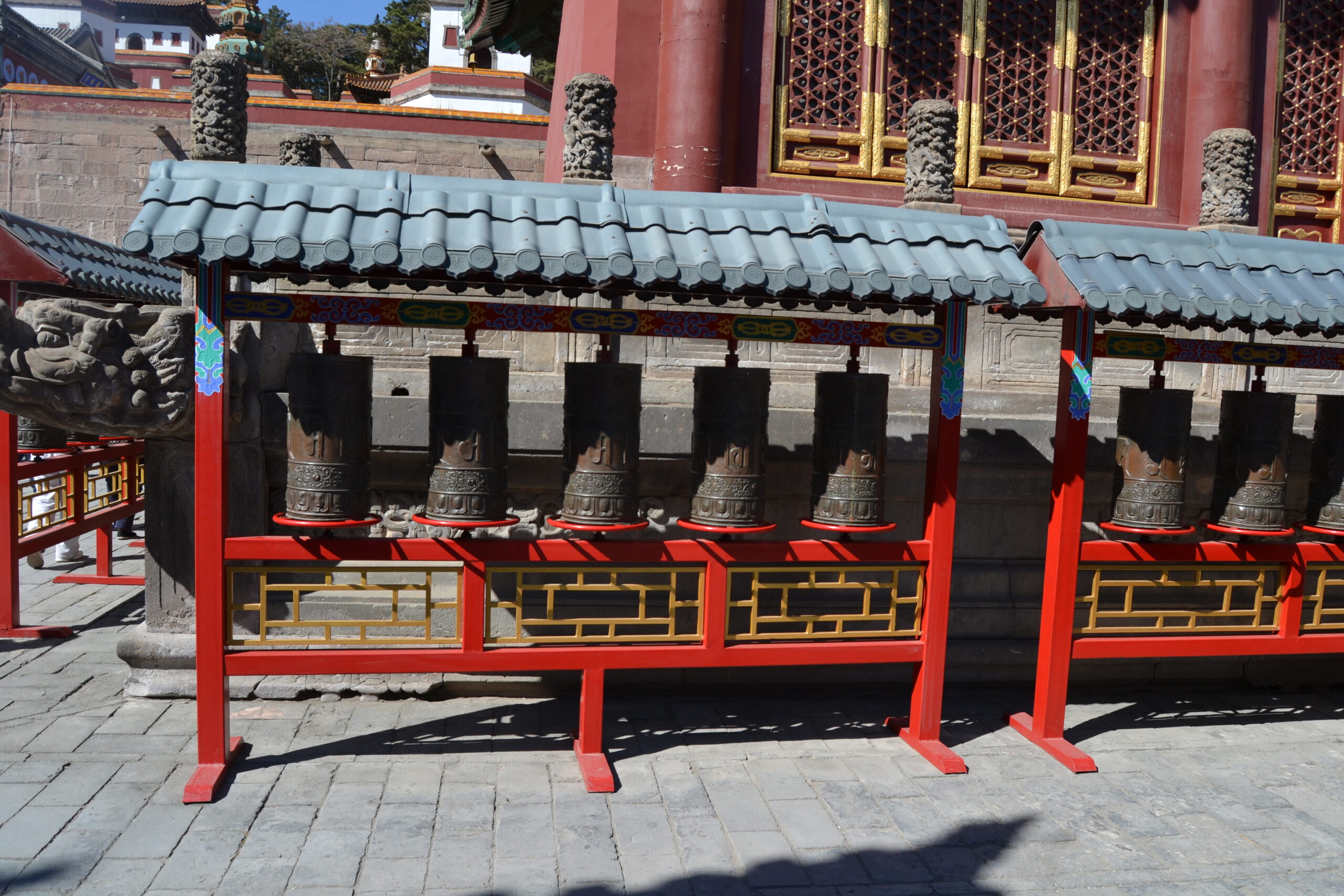
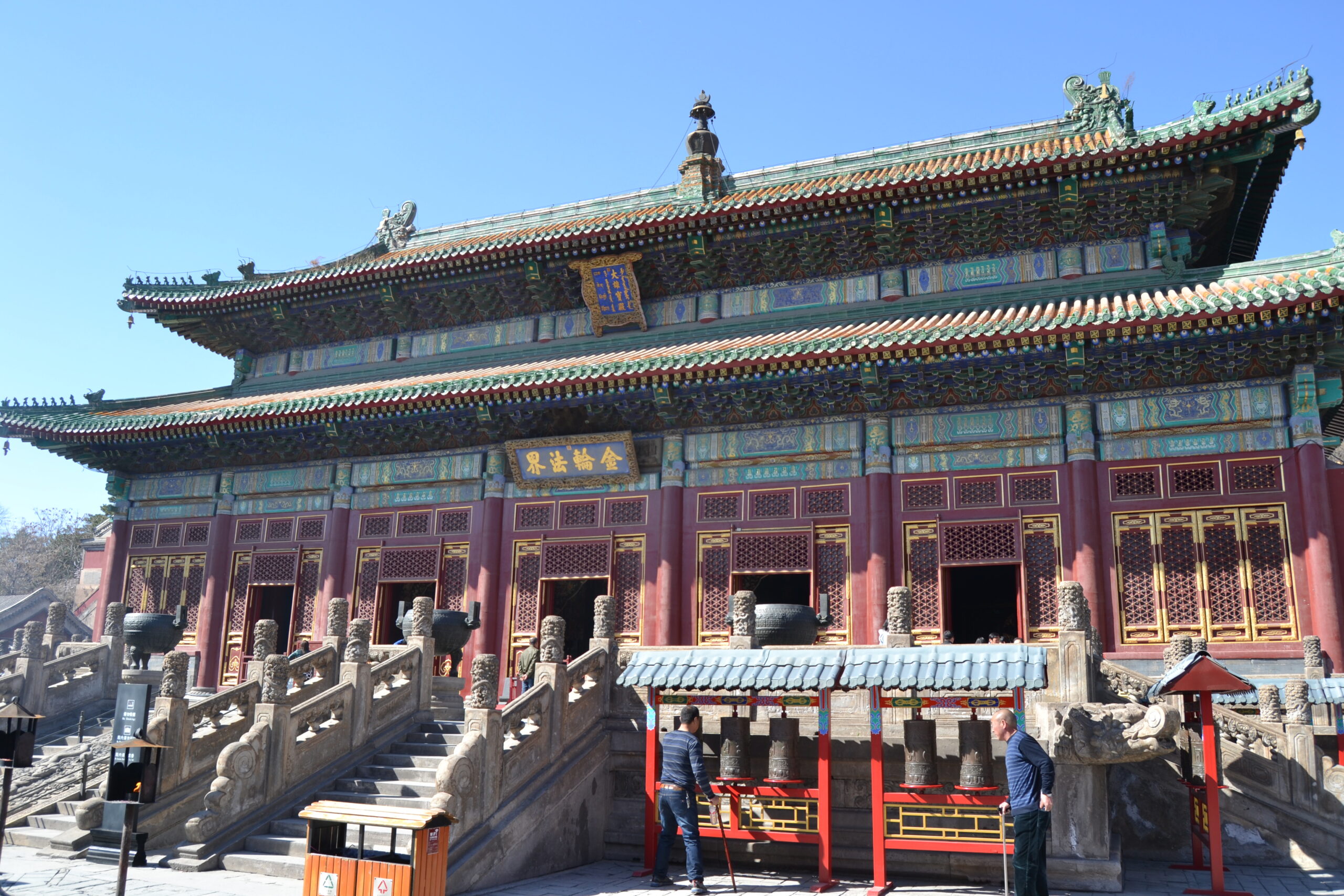
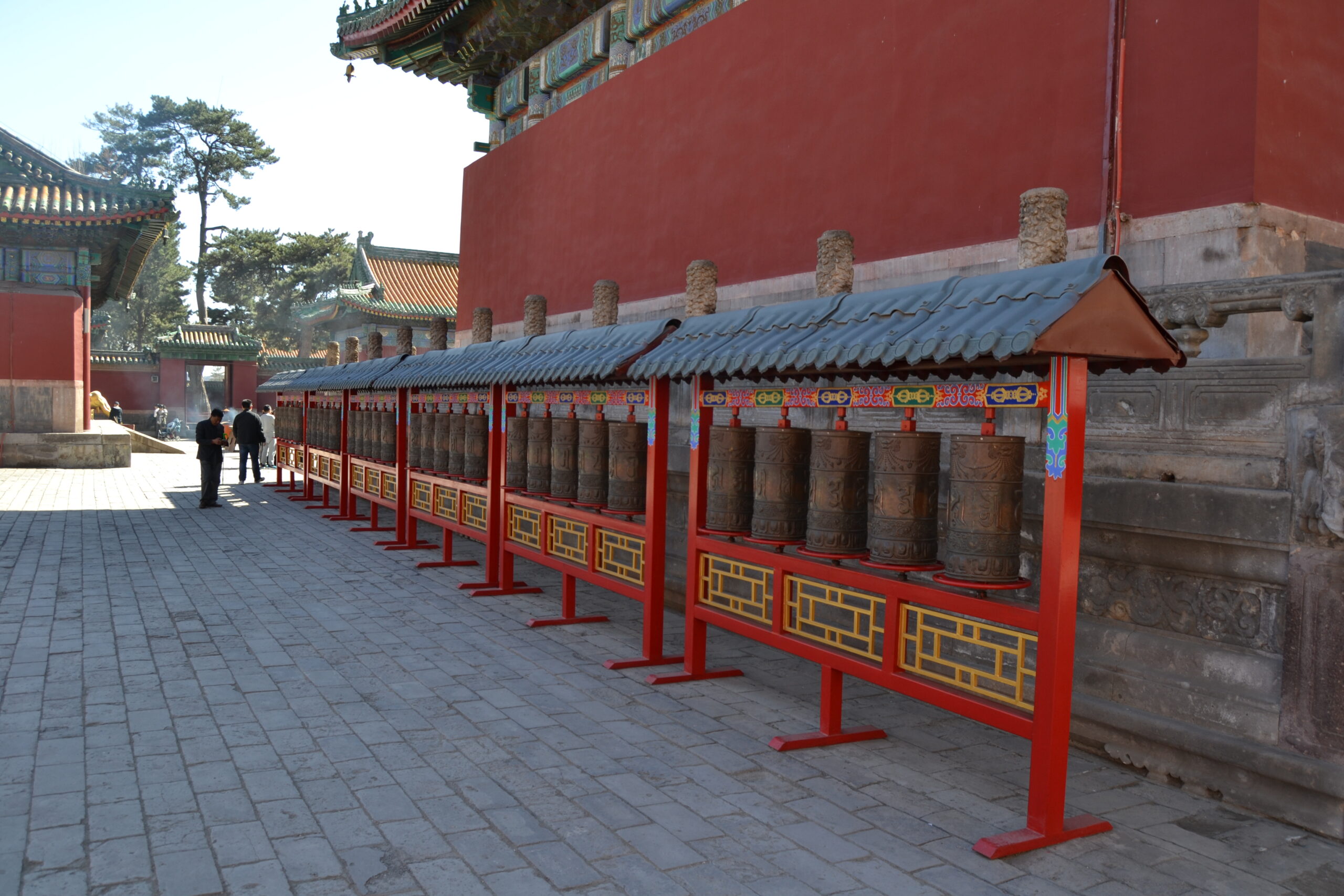
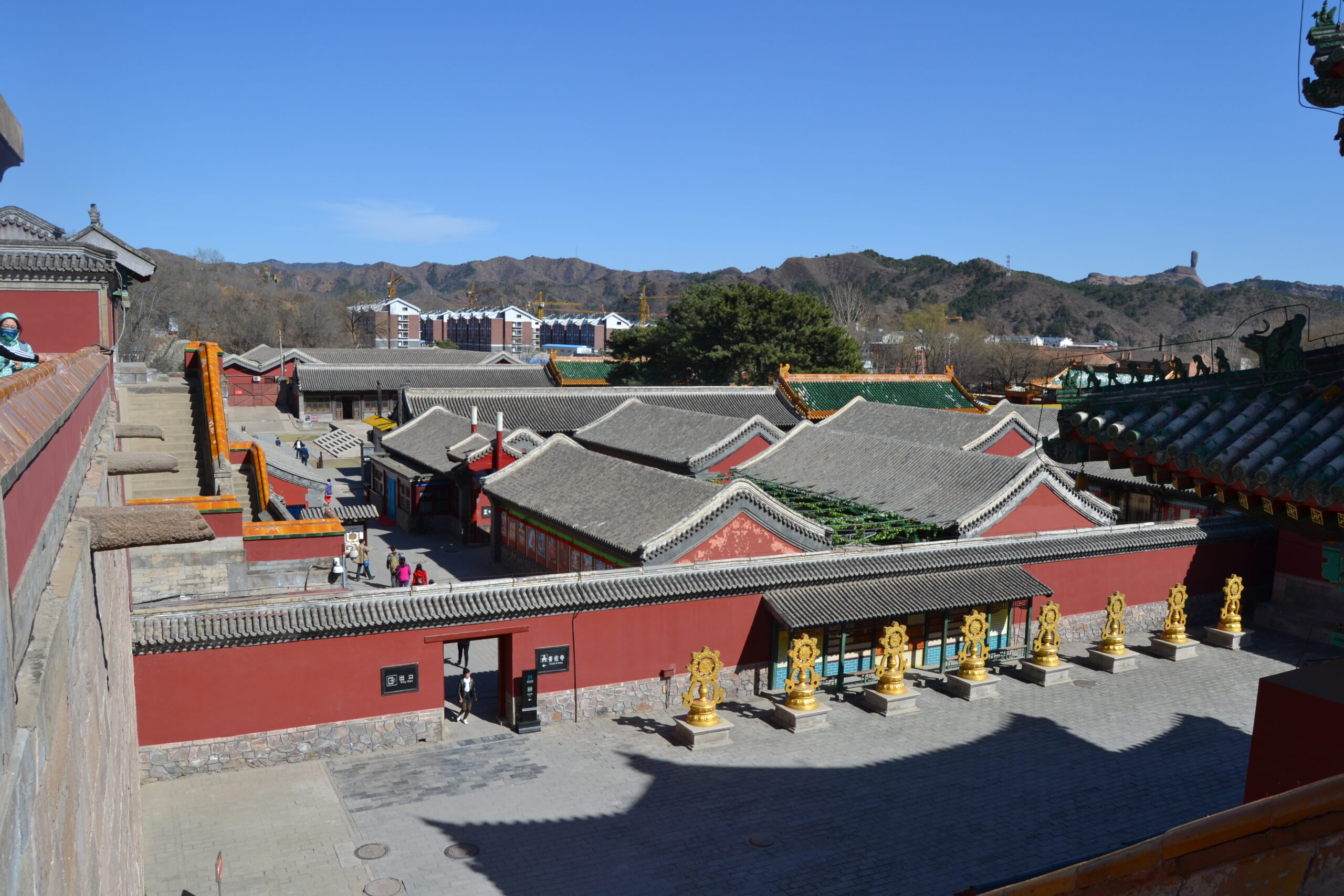
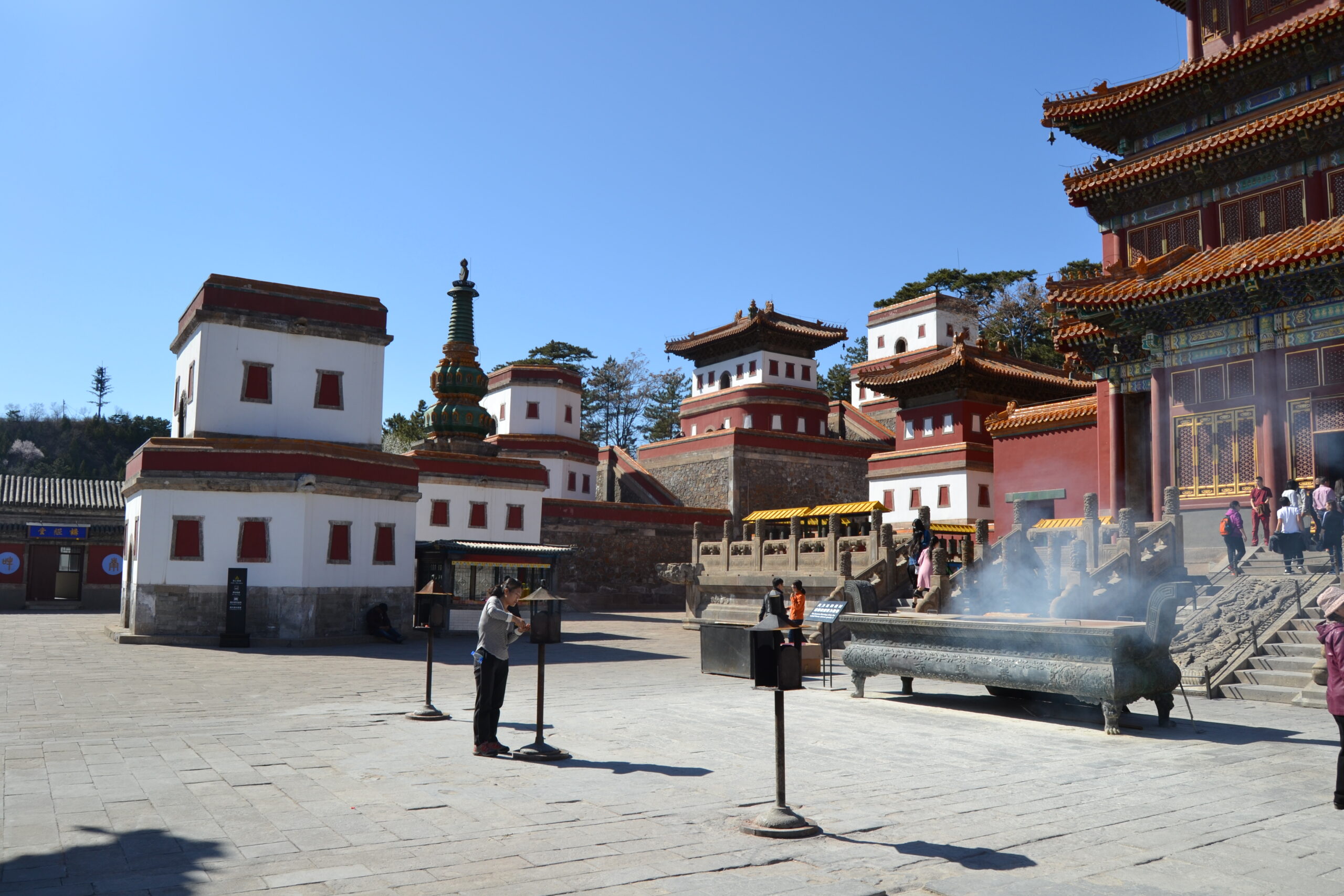
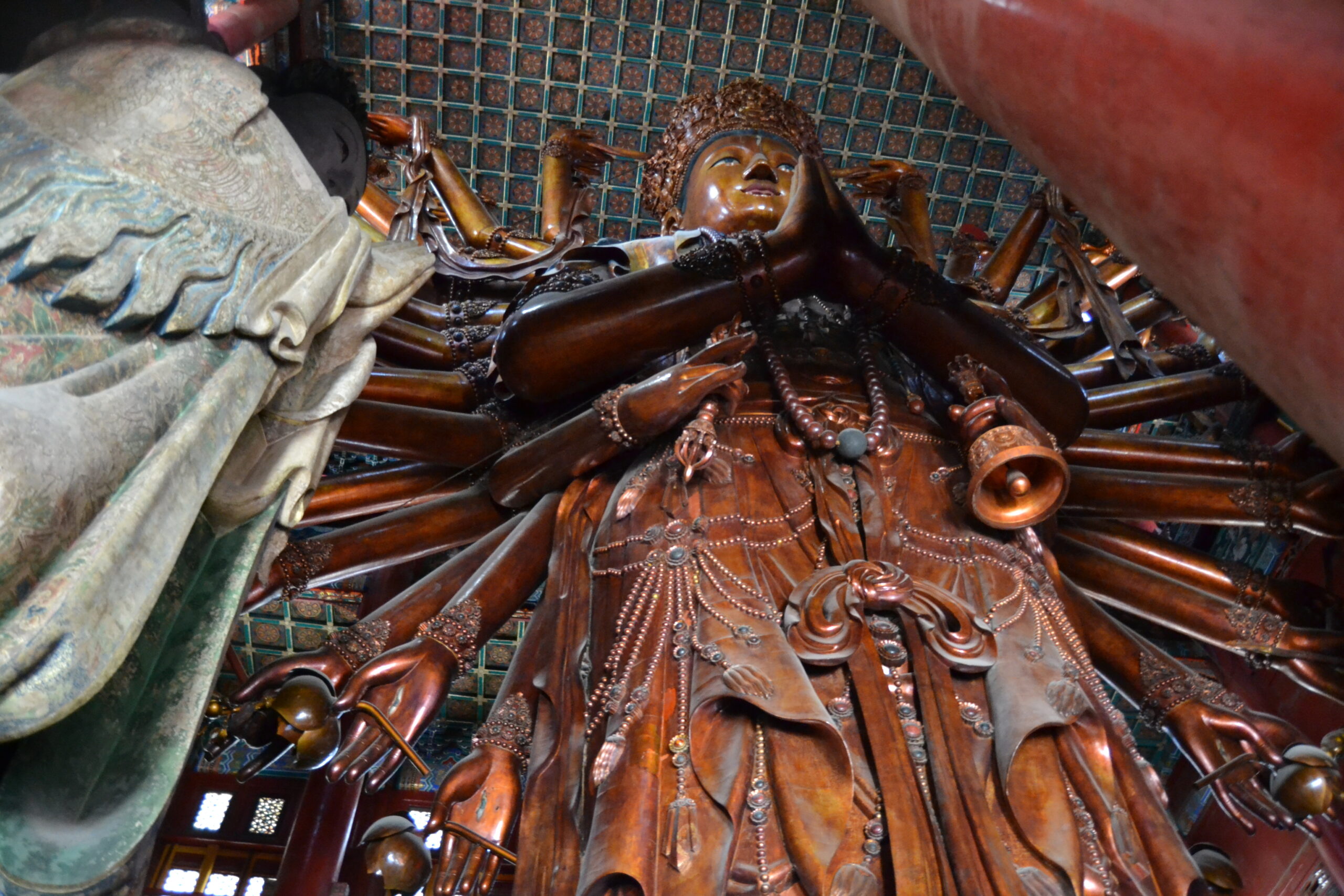
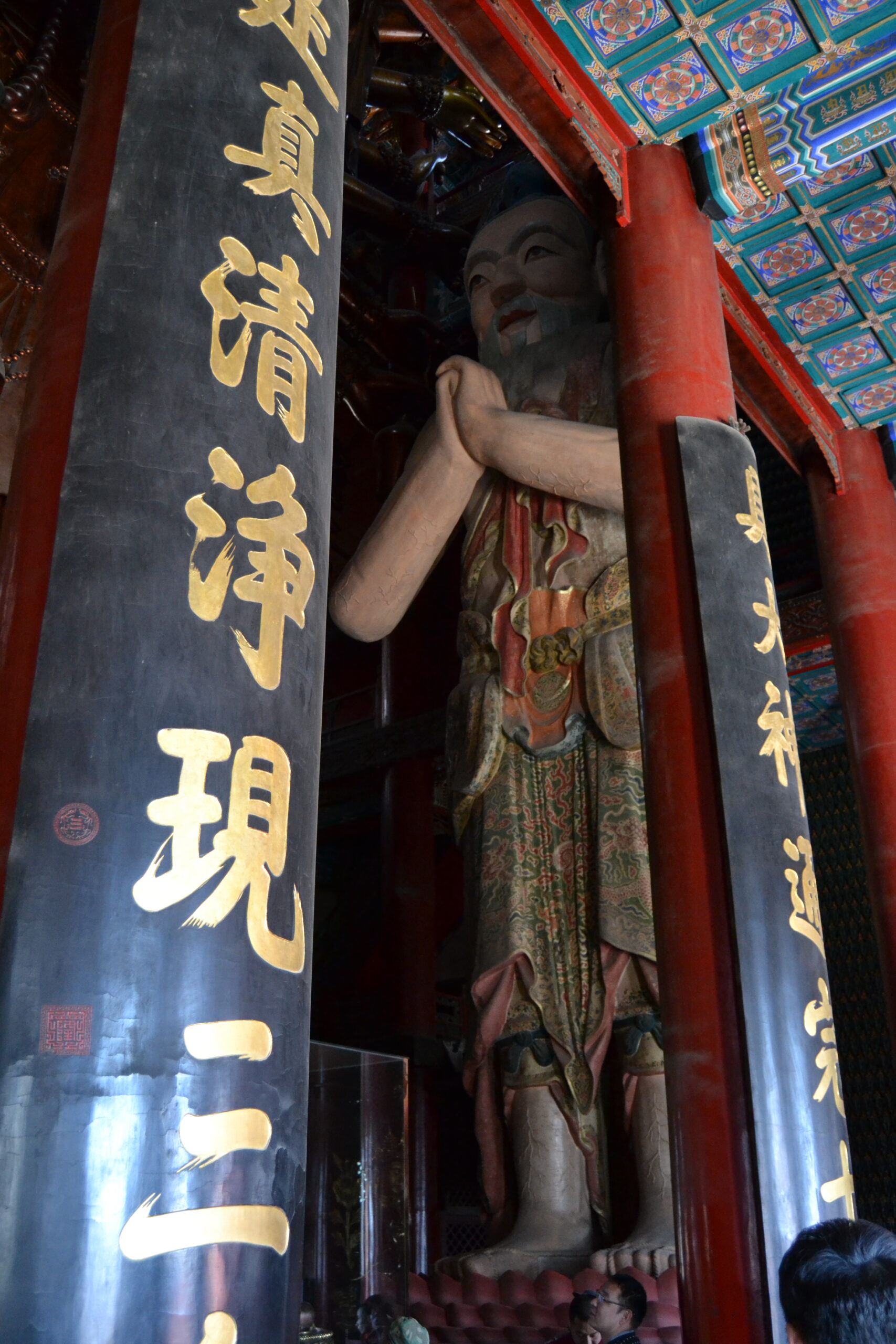
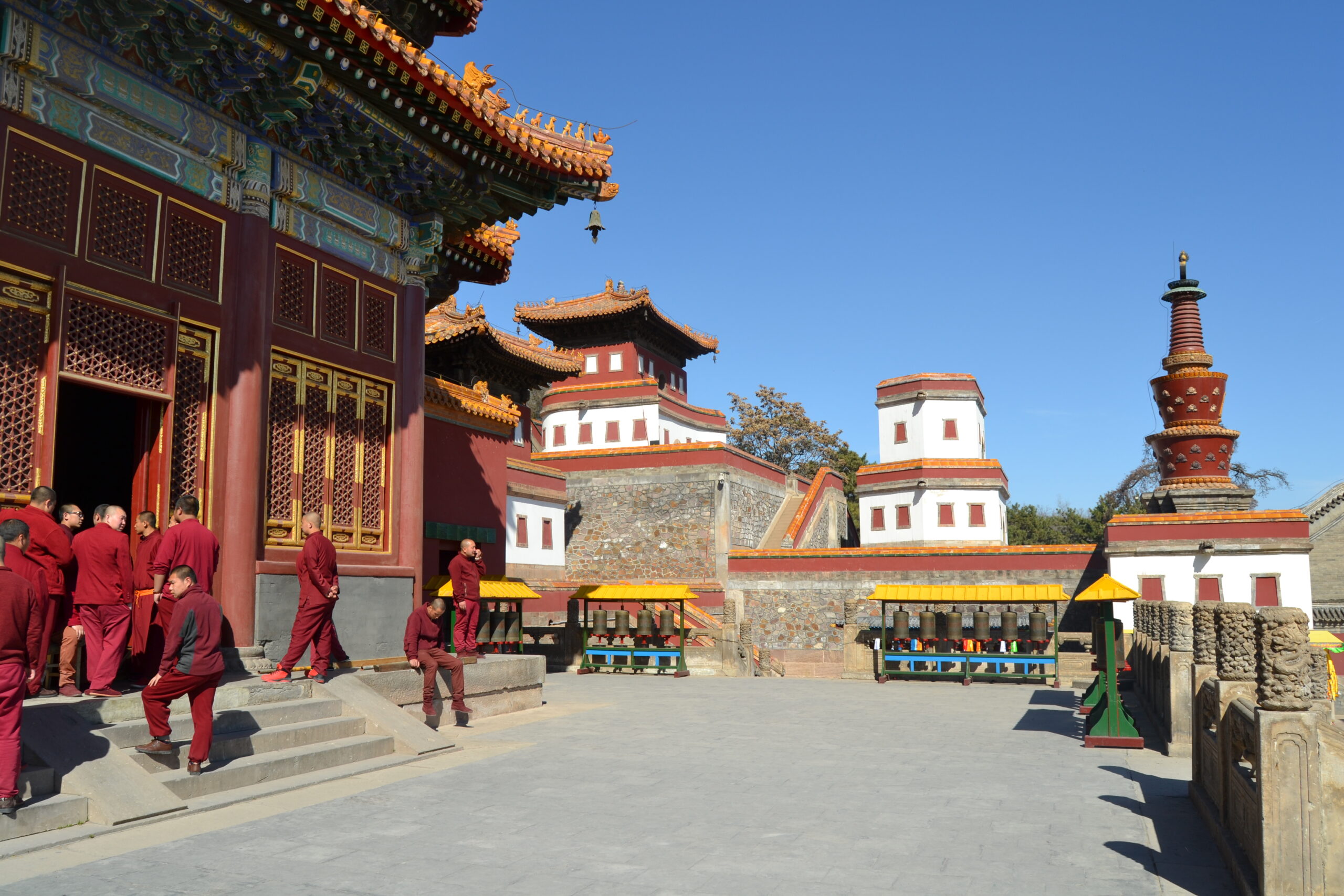
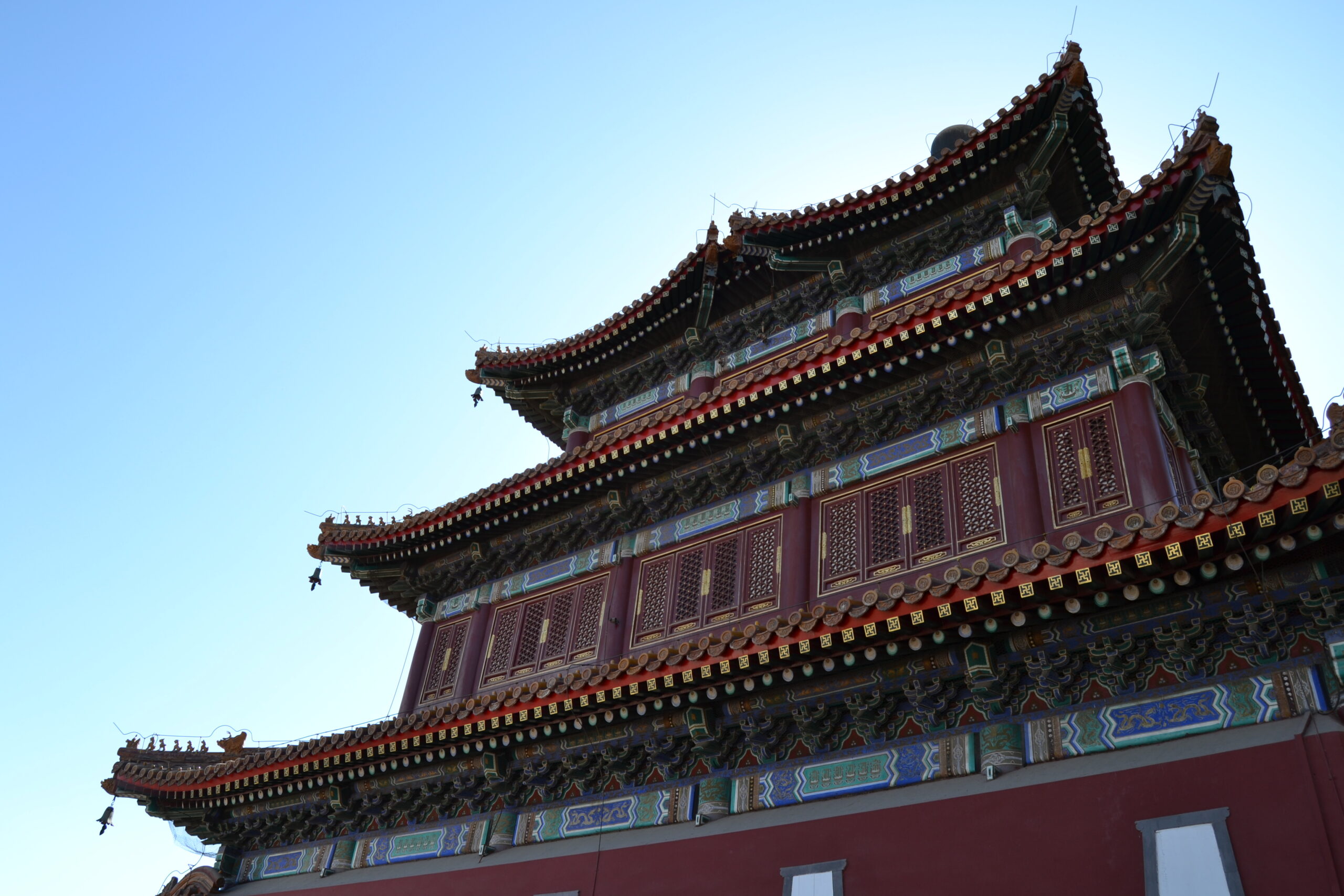
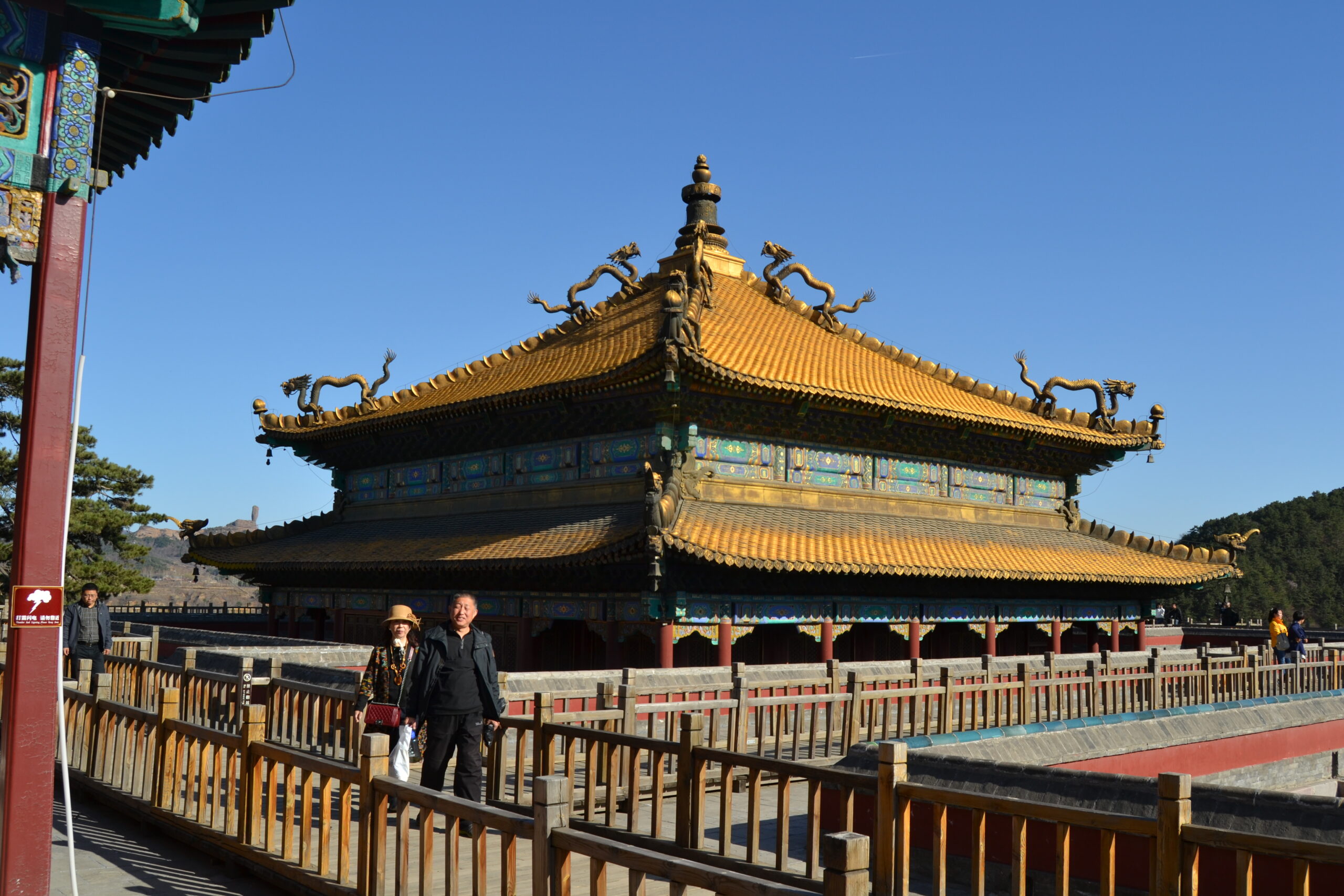
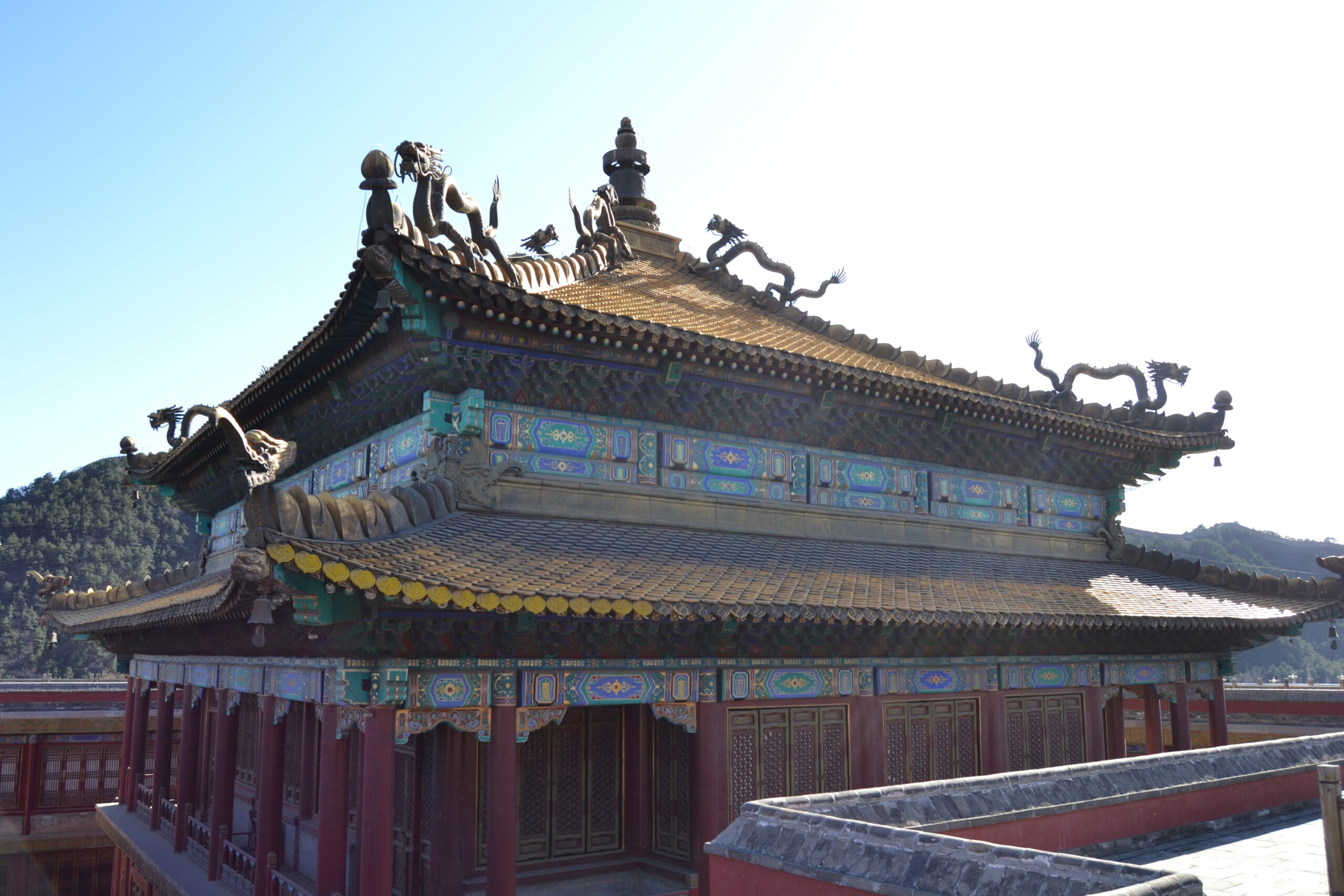
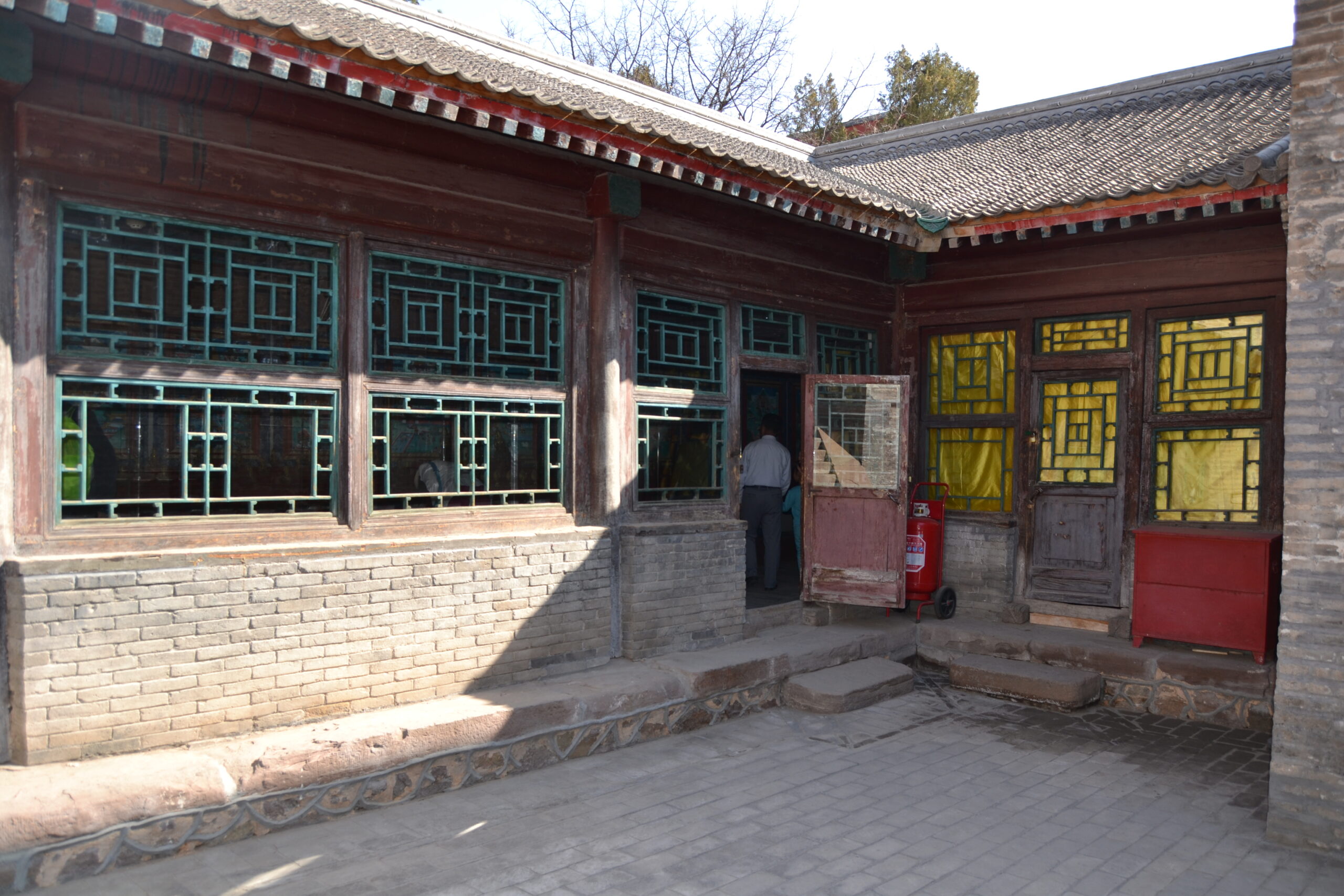
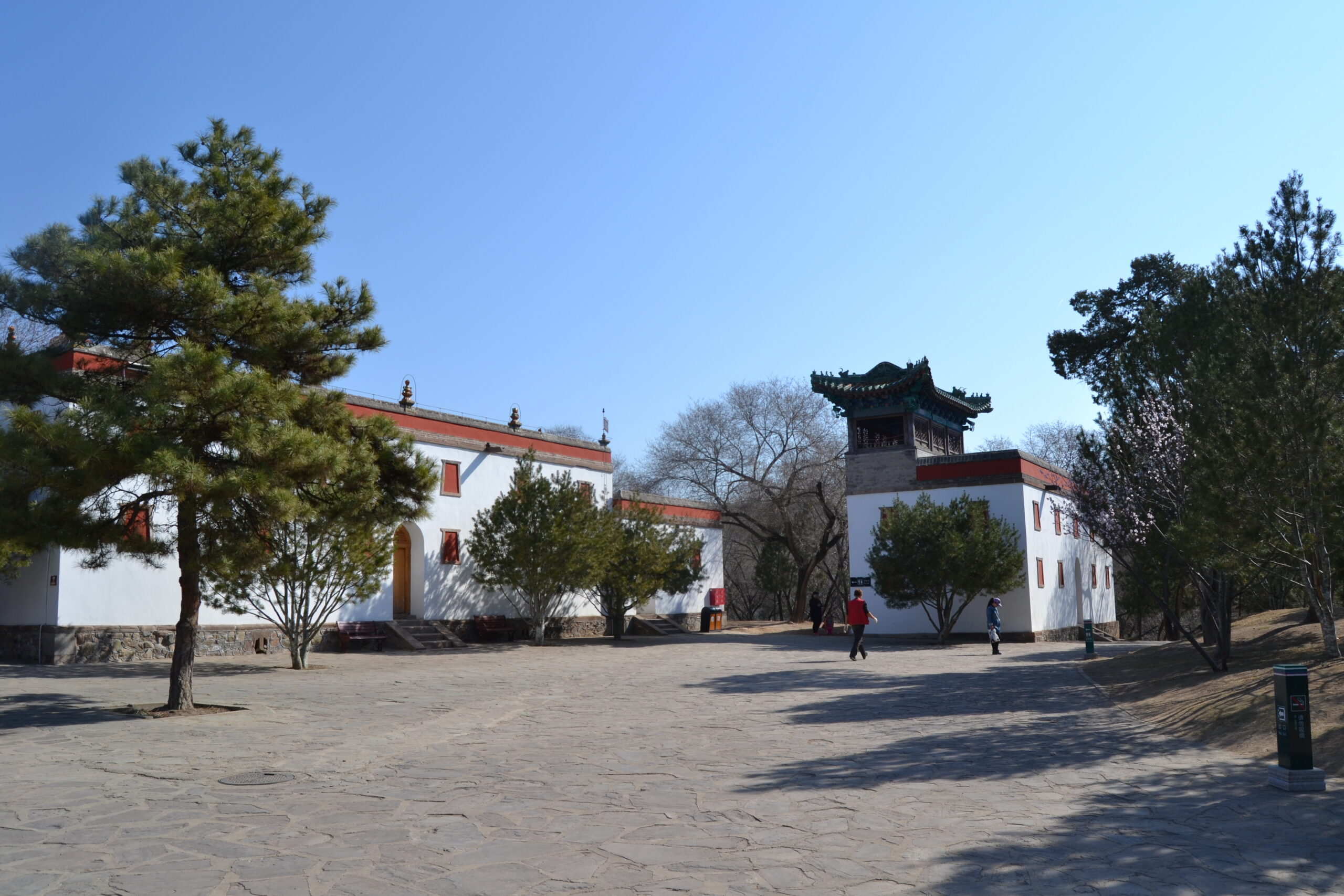
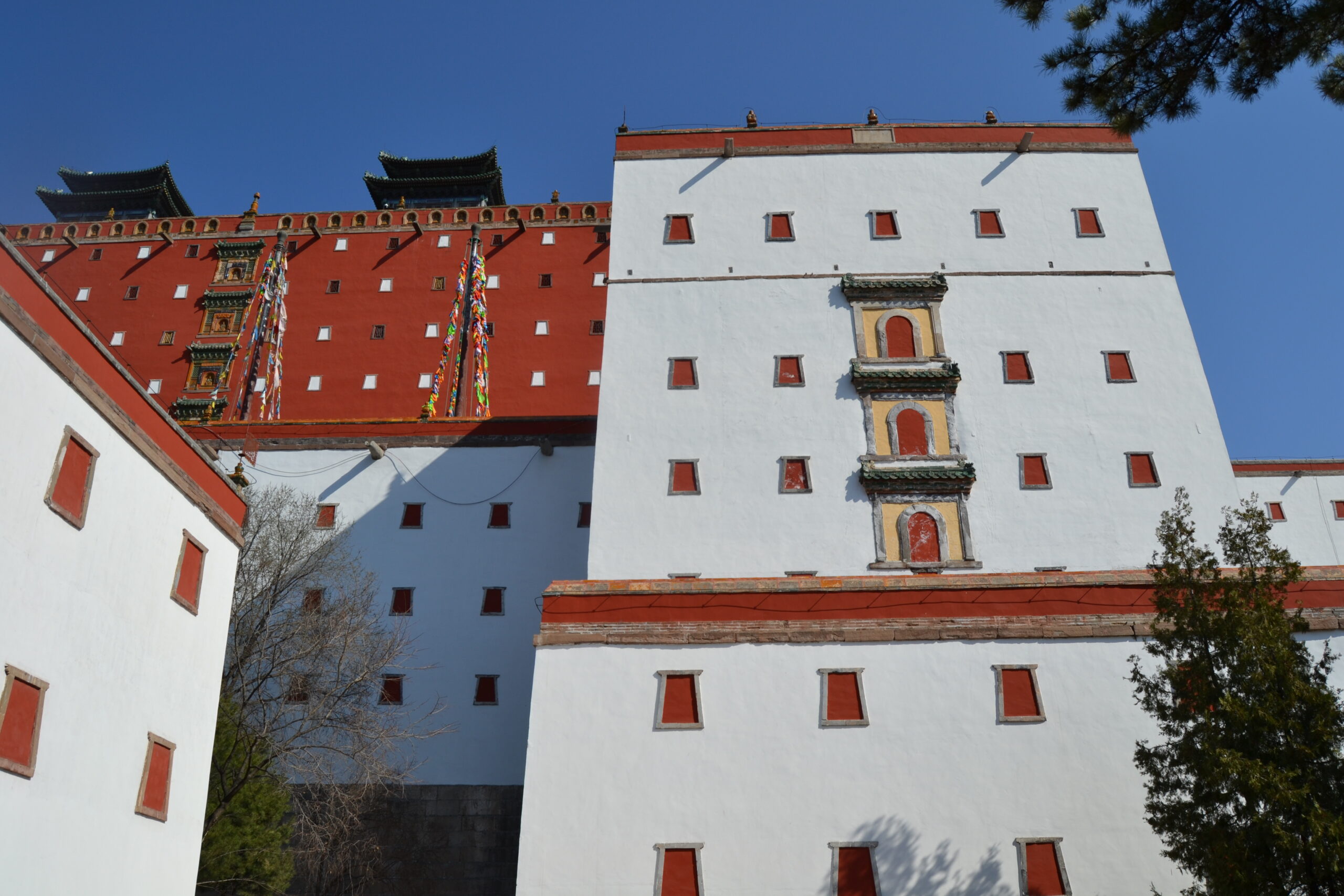
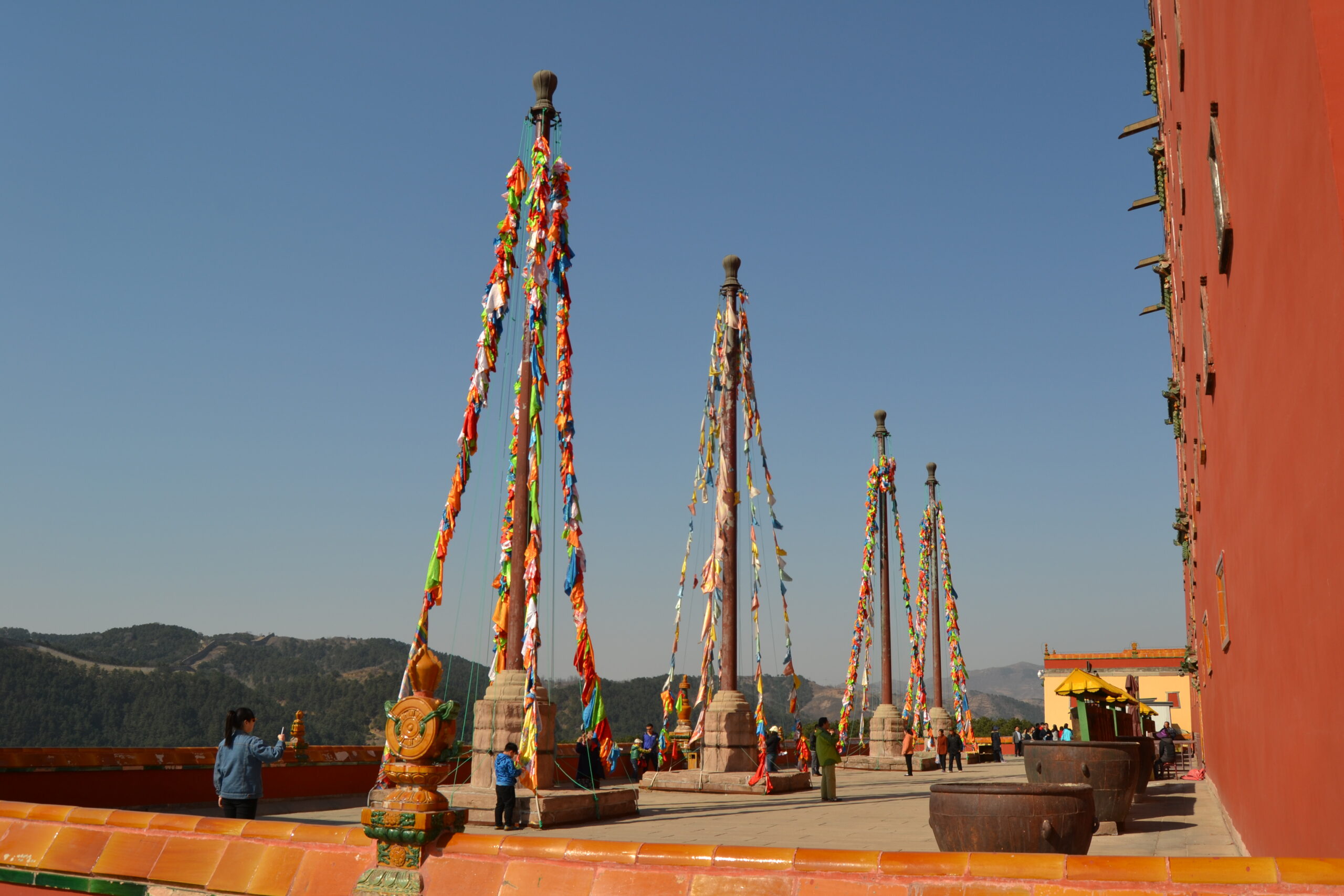
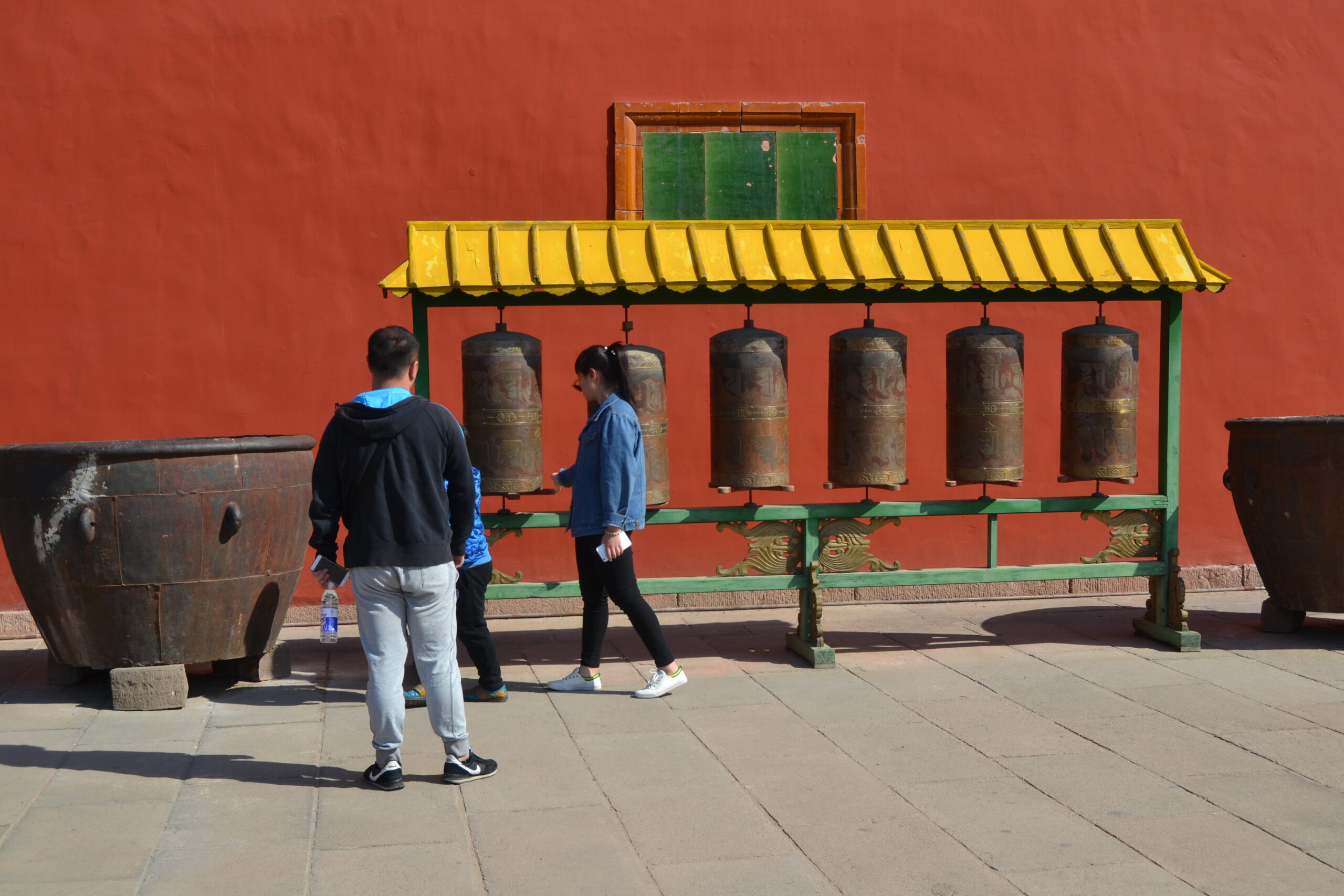
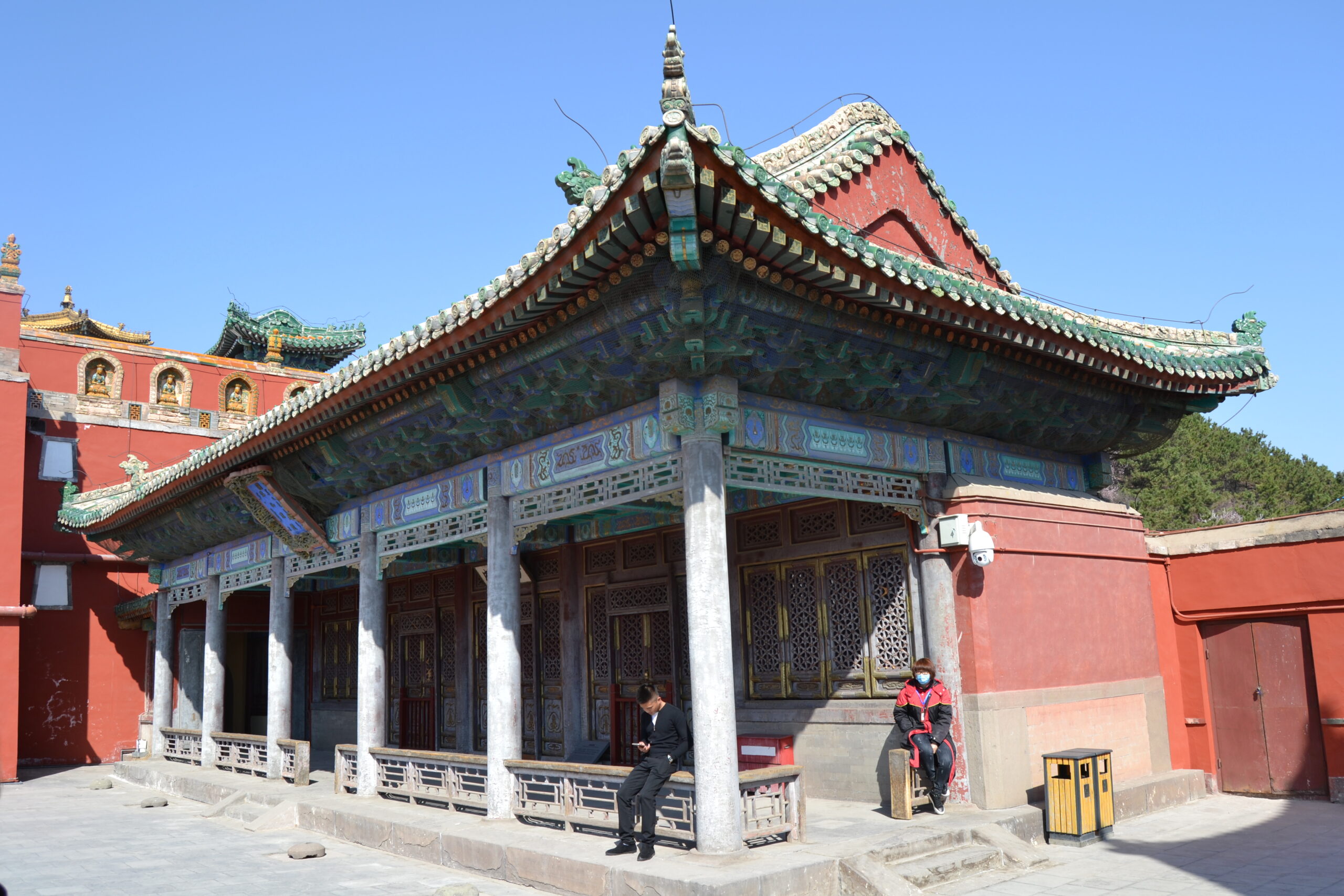
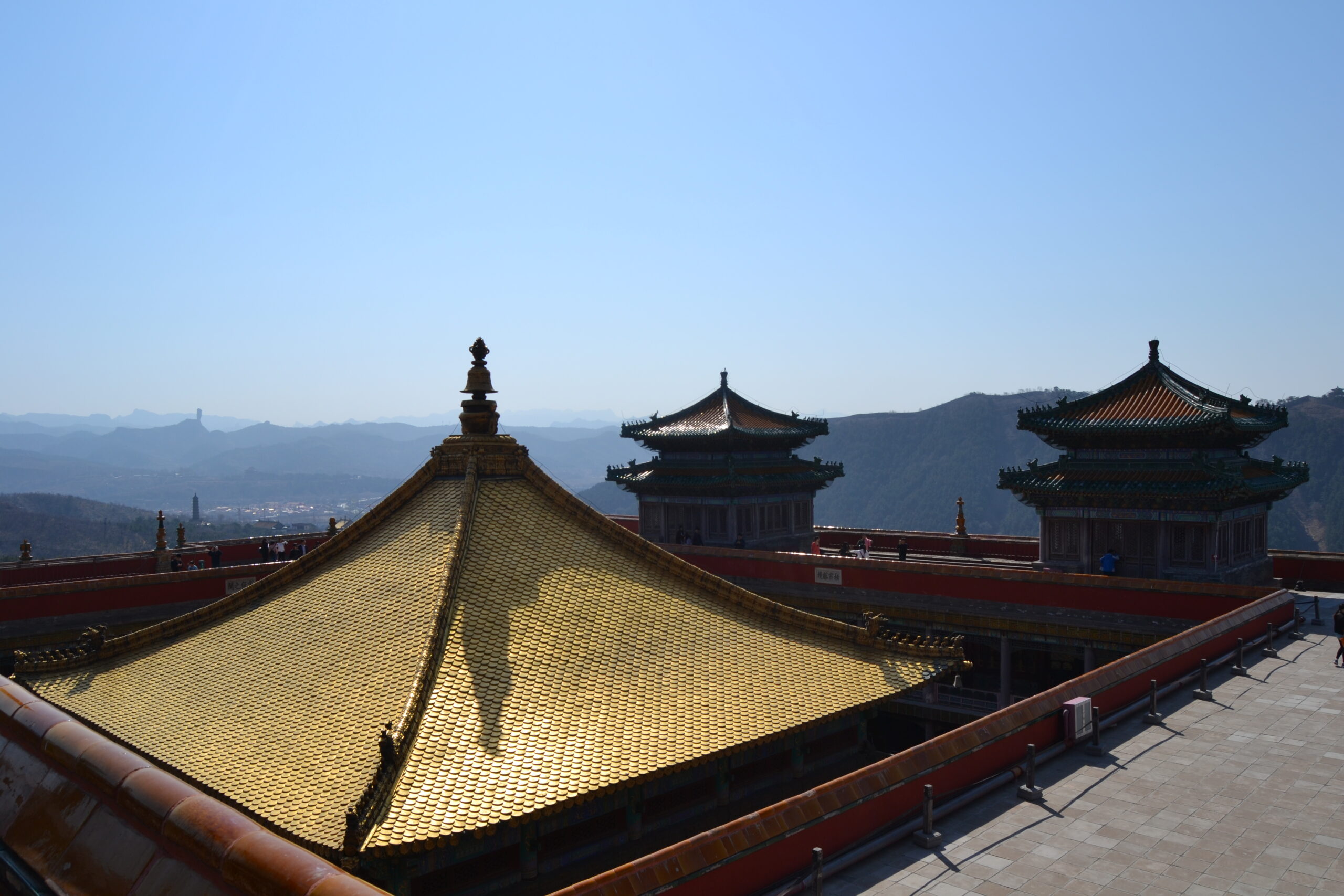
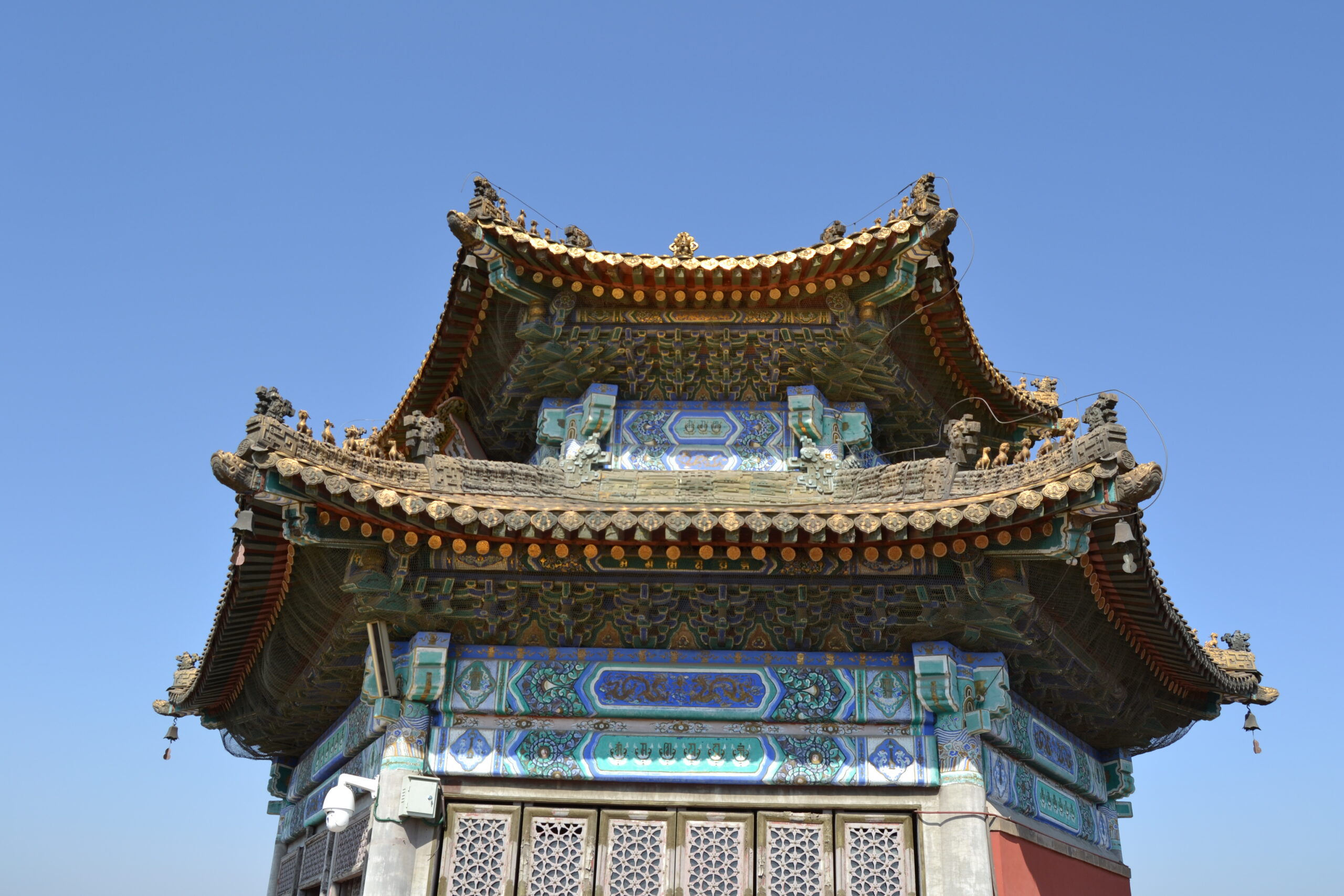
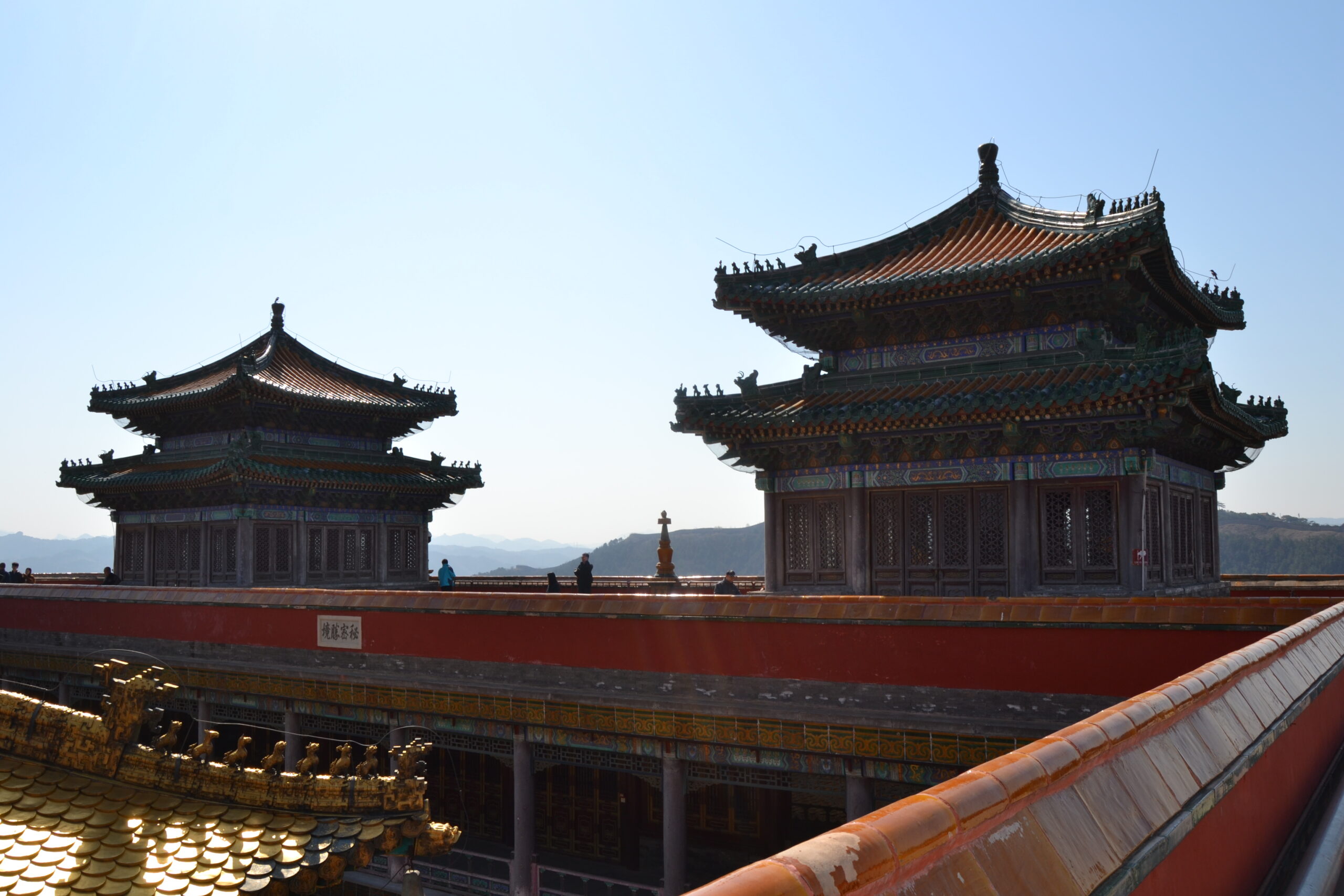
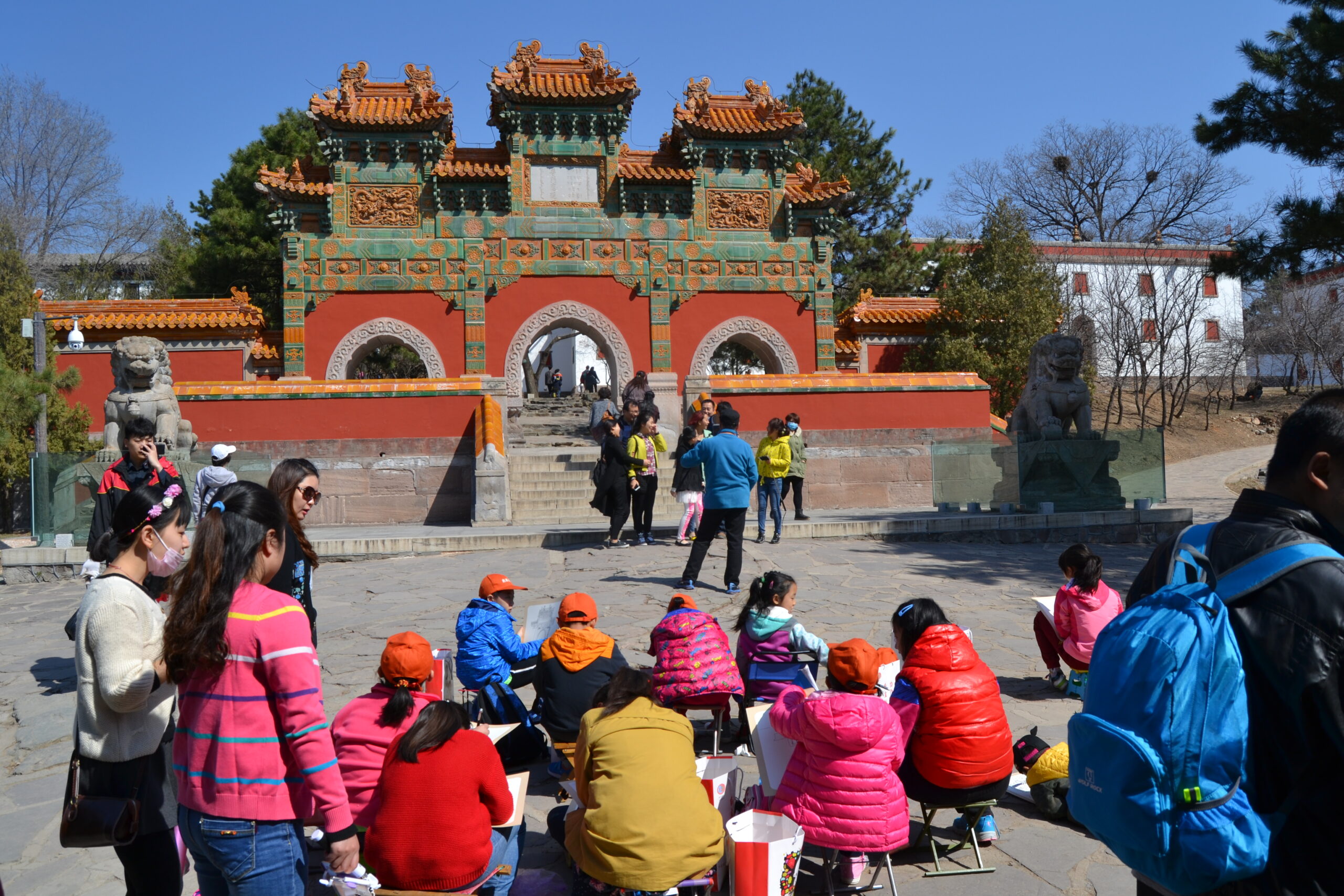
Walking through Chengde feels like entering a quieter chapter of Chinese history. The vast imperial gardens of the Mountain Resort stretch across hills and lakes, blending architecture with nature in a way that reflects the philosophical harmony long valued in Chinese culture. Around the resort, magnificent temples built in Tibetan and Mongolian styles remind visitors of the diverse cultures that once formed part of the Qing Empire.
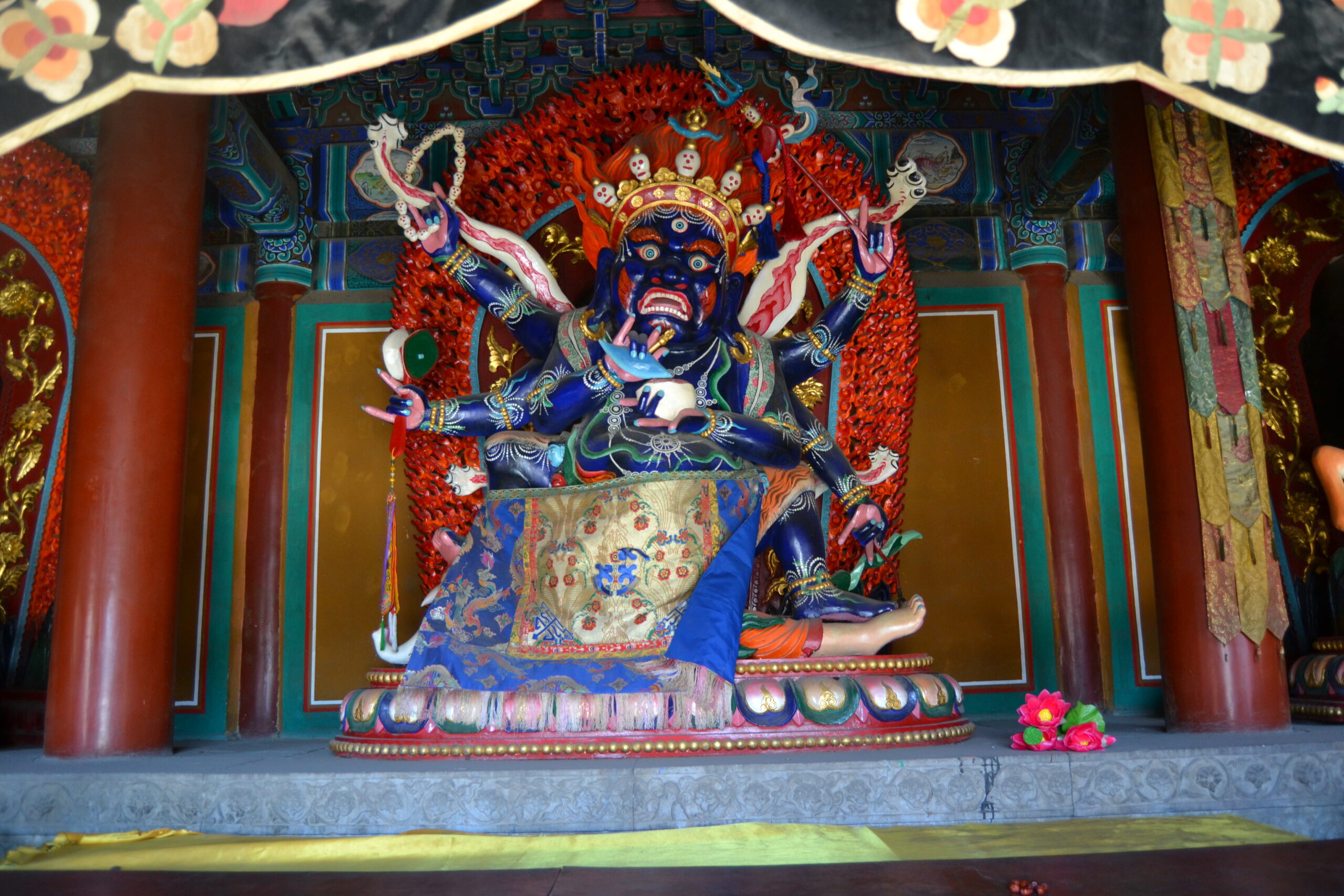
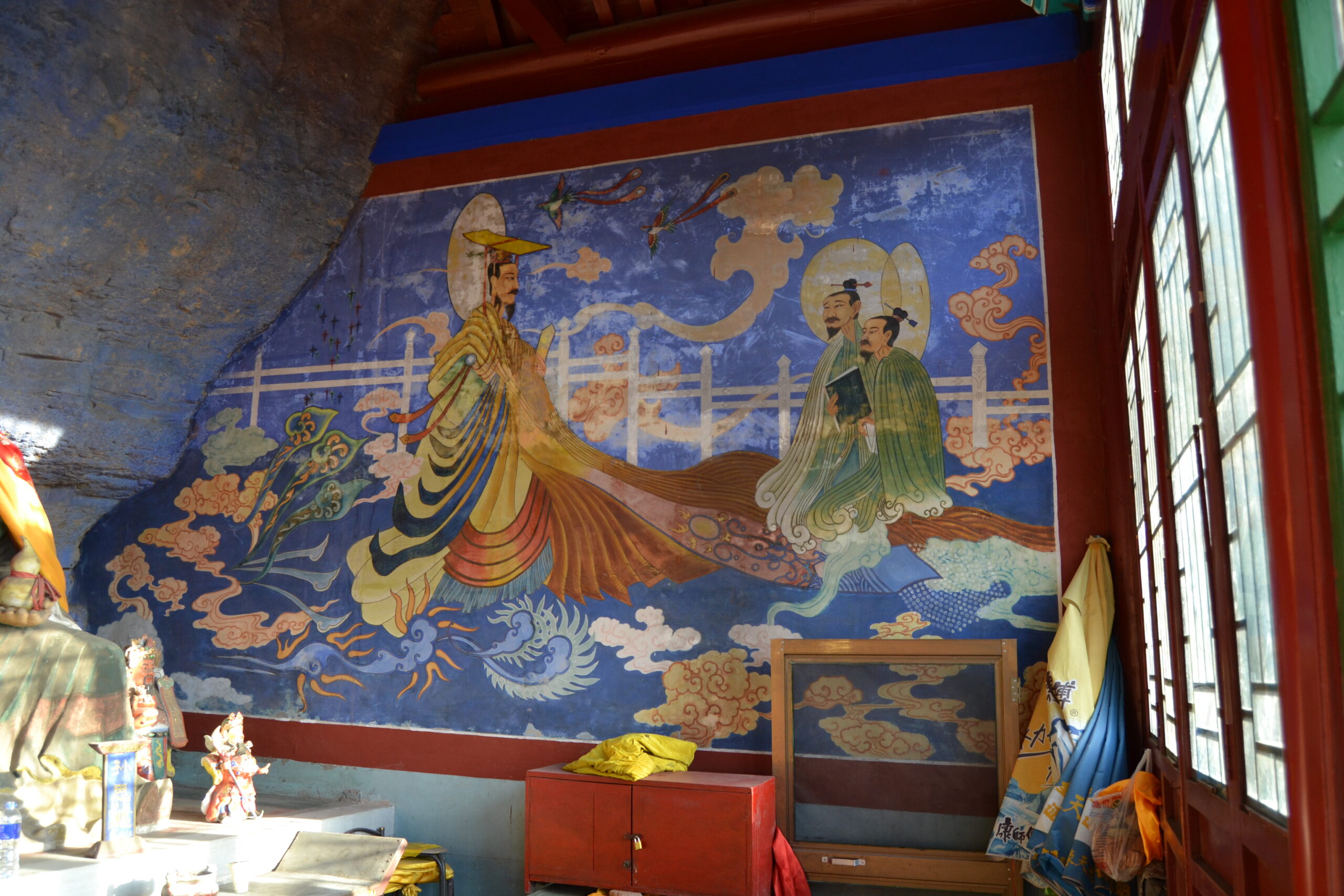
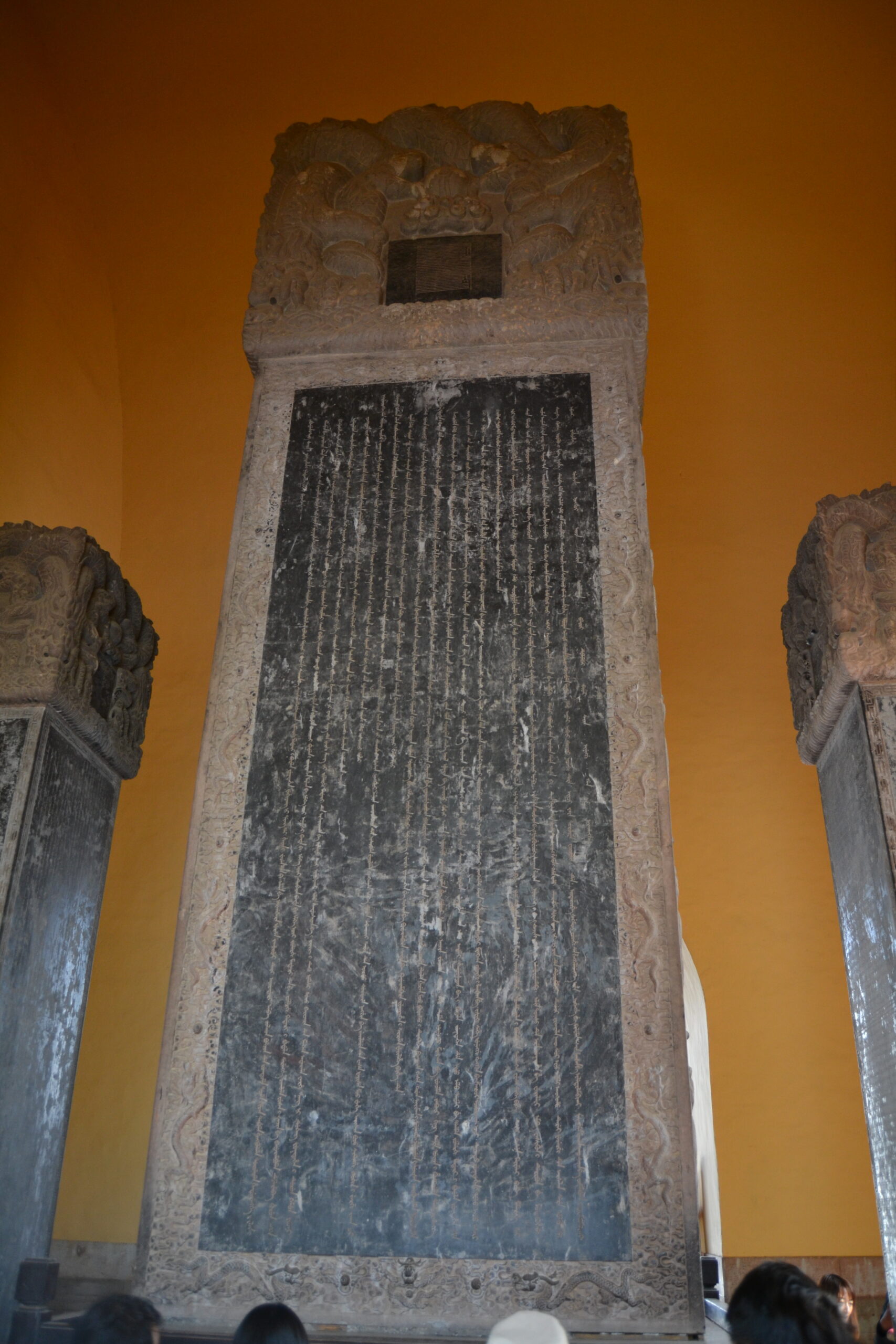
Chengde was not only a royal residence but also a place of diplomacy and cultural exchange. Emperors welcomed leaders, monks, and envoys from across Asia here, turning the city into an important meeting point of religions, cultures, and traditions.
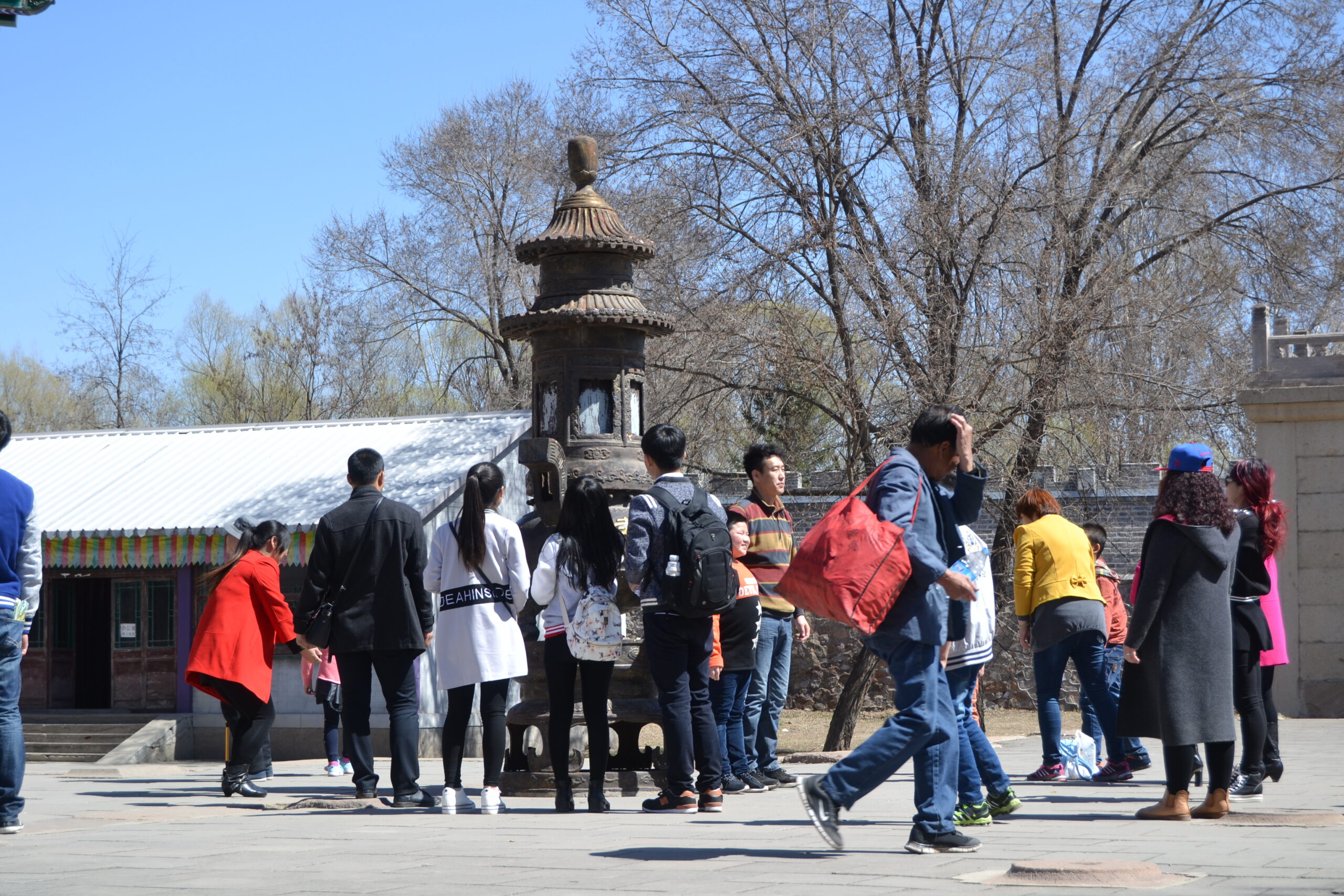
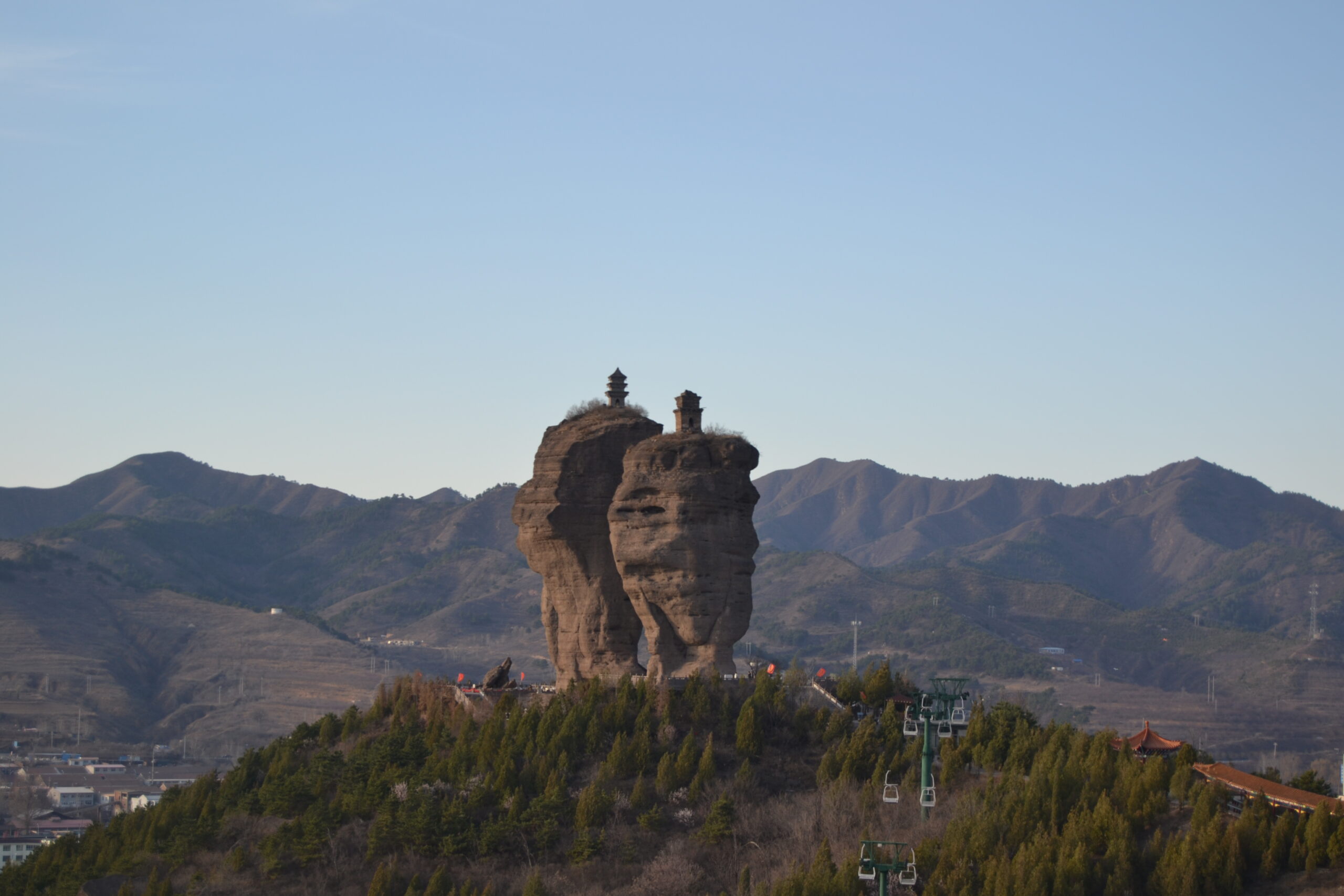
Today, Chengde remains a place where history feels close and alive. Palaces, temples, and pagodas rise quietly among forests and mountains, preserving the atmosphere of a city once designed for emperors seeking peace, reflection, and distance from the noise of the imperial court.
Chengde is more than a historic destination; it is a reminder of a time when architecture, landscape, and power were carefully woven together to create one of China’s most remarkable imperial cities.