
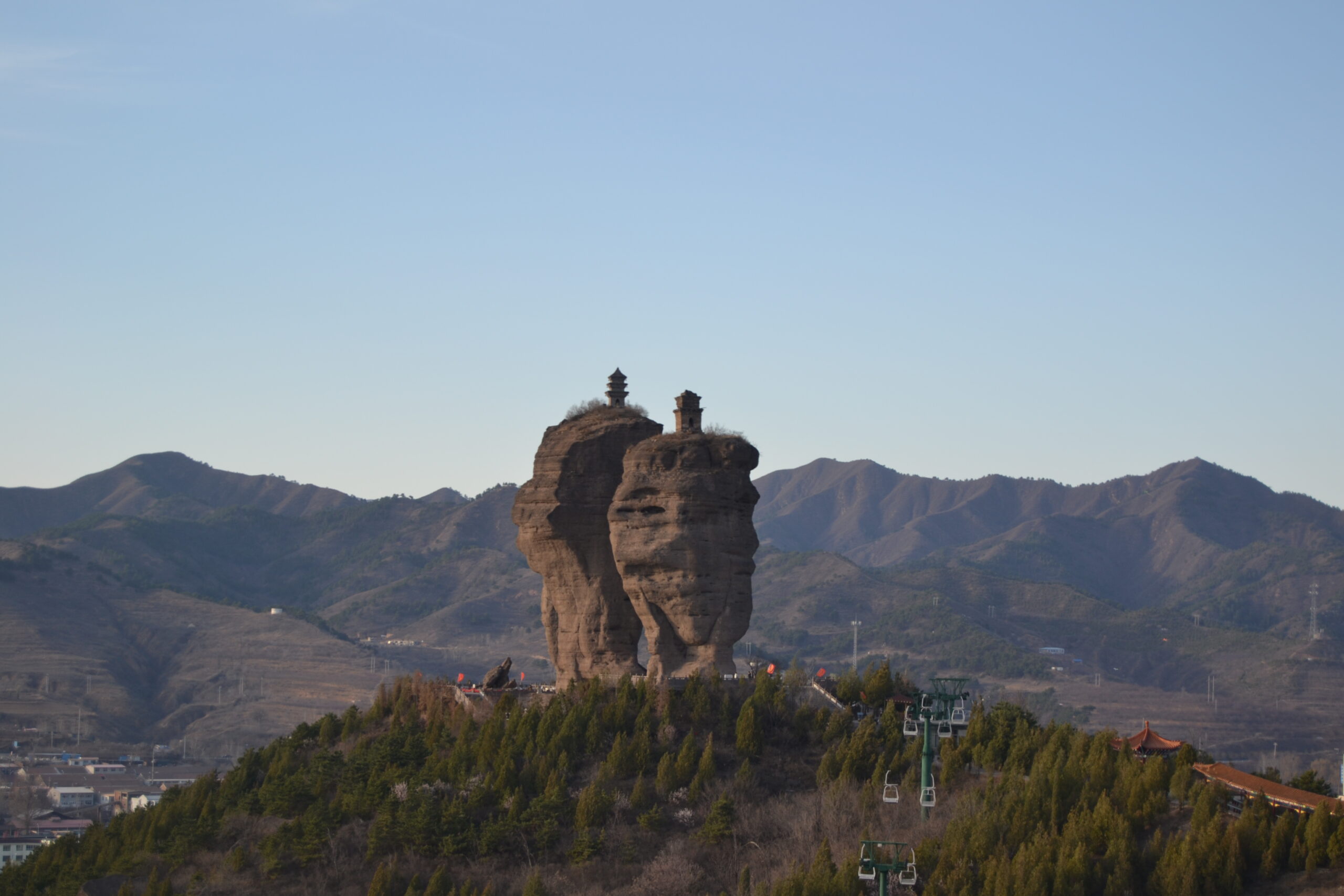
Chengde: China’s Imperial Summer Escape
In 2016, I had the opportunity to visit Chengde, a beautiful and historic city in northern China. Among all the places I saw during my travels in the country, Chengde left one of the deepest impressions on me. Unlike the fast and crowded atmosphere of major Chinese cities, Chengde felt peaceful, elegant, and timeless. It is a place where history, nature, and architecture blend in a unique harmony.
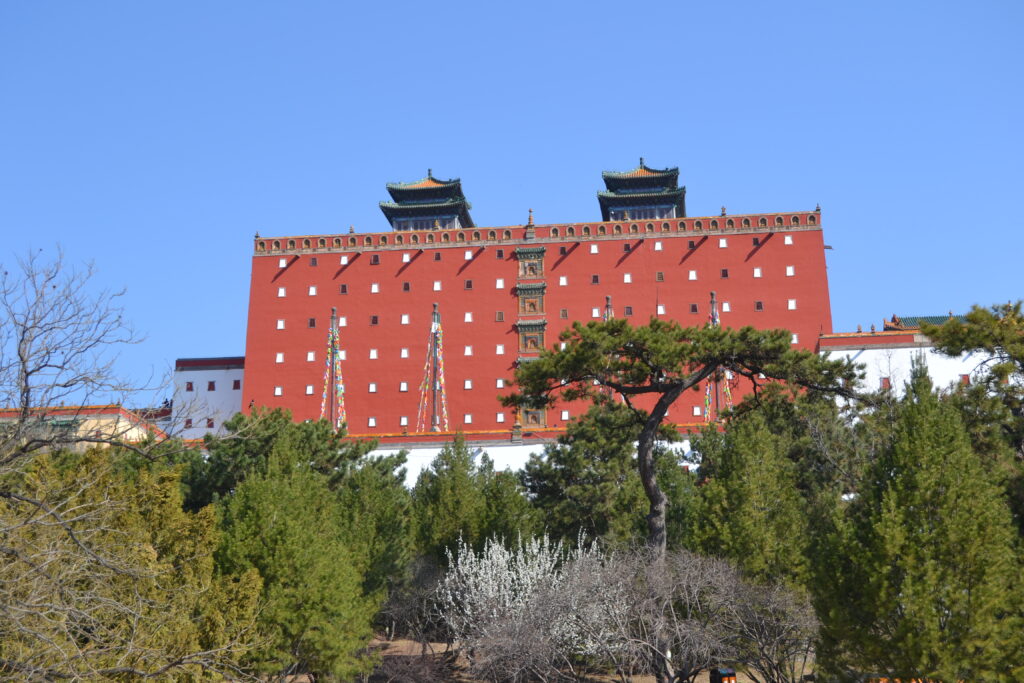
Chengde is known as the summer palace city of the Chinese emperors. During the Qing Dynasty, emperors escaped the intense heat of Beijing and came to Chengde to spend the summer months in their magnificent mountain resort. The city was designed as an imperial retreat, filled with palaces, temples, lakes, and gardens. Walking through Chengde feels like entering a landscape from another era, where every building carries a story of imperial life.
What fascinated me most was the atmosphere of the city itself. The gardens are vast and carefully designed, the temples rise quietly among the hills, and the palaces reflect the power and sophistication of the empire that built them. Everything feels balanced with nature, as if the city was created not only for luxury but also for contemplation and peace.
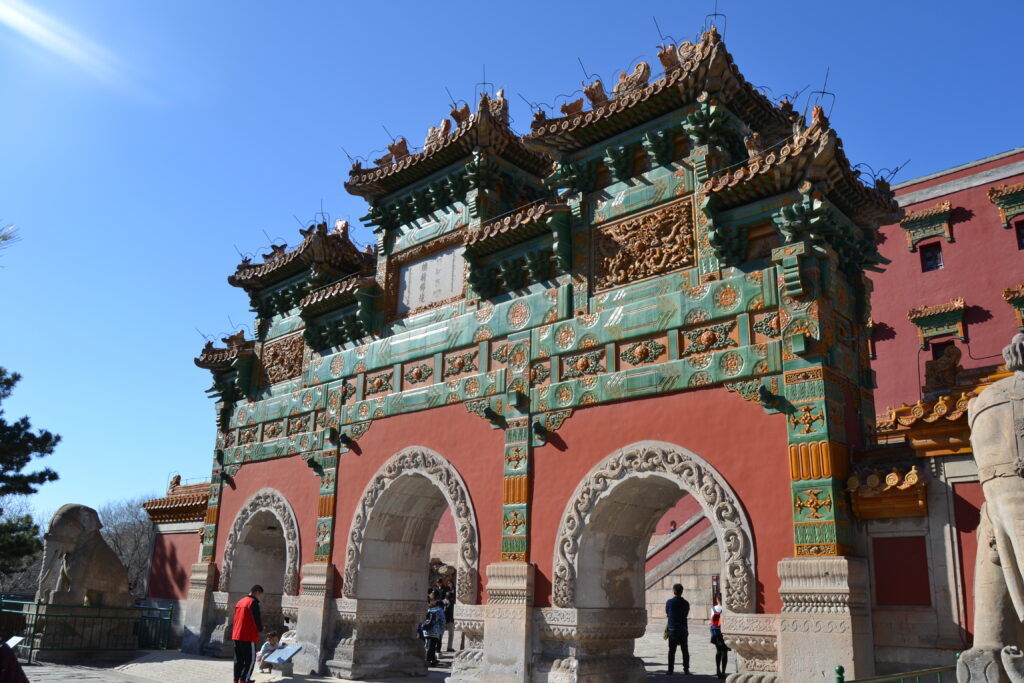
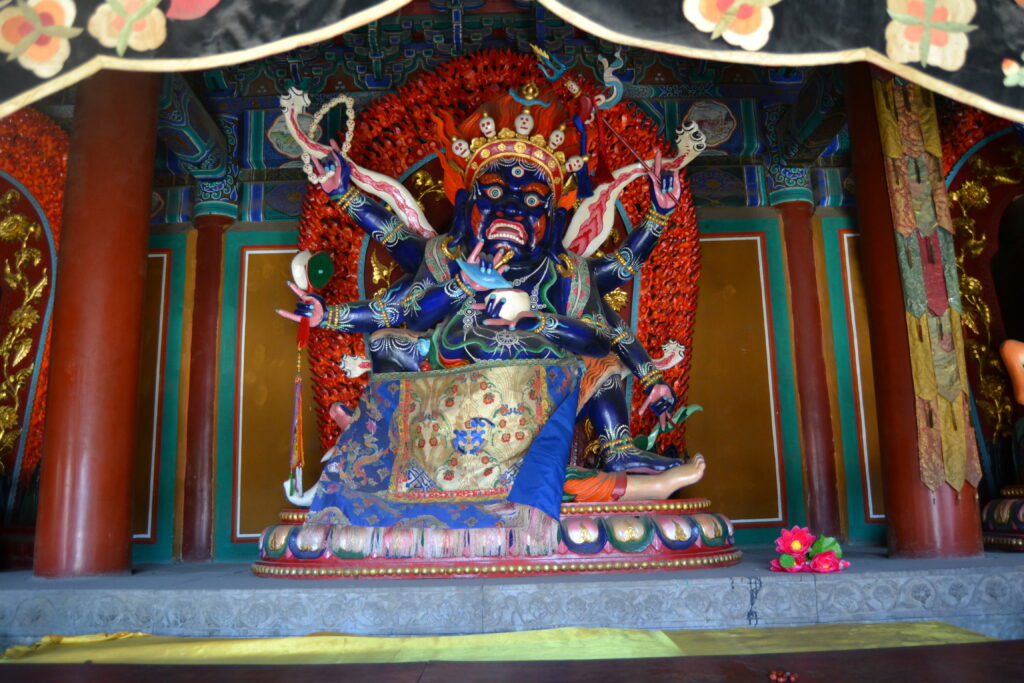
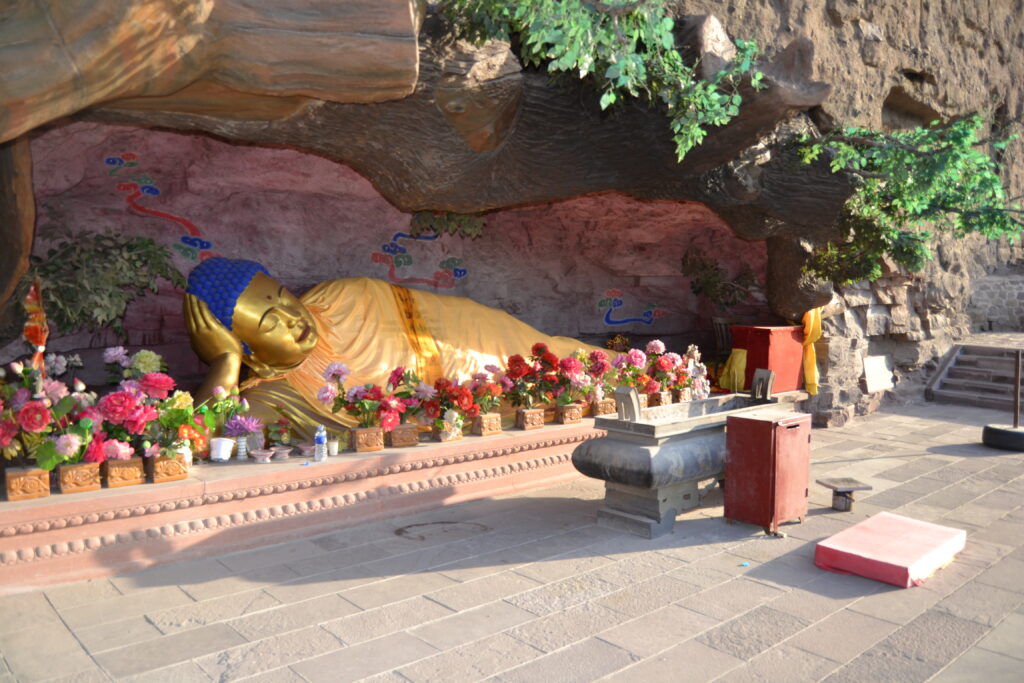
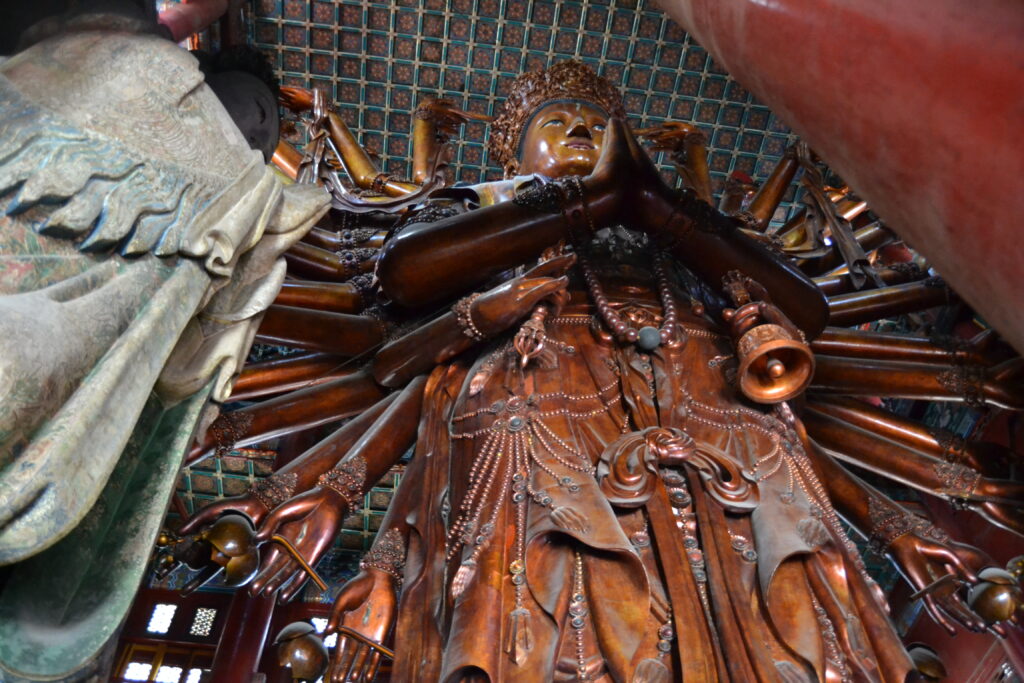
One of the most extraordinary places I visited there was Puning Temple and the Mahayana Pavilion, home to the world’s largest gilded wooden Buddha statue. When you enter the pavilion, the first thing you feel is the sheer scale of the statue. The Buddha rises almost unbelievably high inside the structure, covered in gold and radiating a quiet presence that fills the entire hall.
What makes the experience even more fascinating is the impression that the statue came first and the temple was built around it. The proportions are so dramatic that it feels as if the architecture was designed simply to protect and frame the statue. Standing there beneath it, you feel both amazed and humbled. It is not only a religious monument but also an incredible example of craftsmanship and architectural imagination.
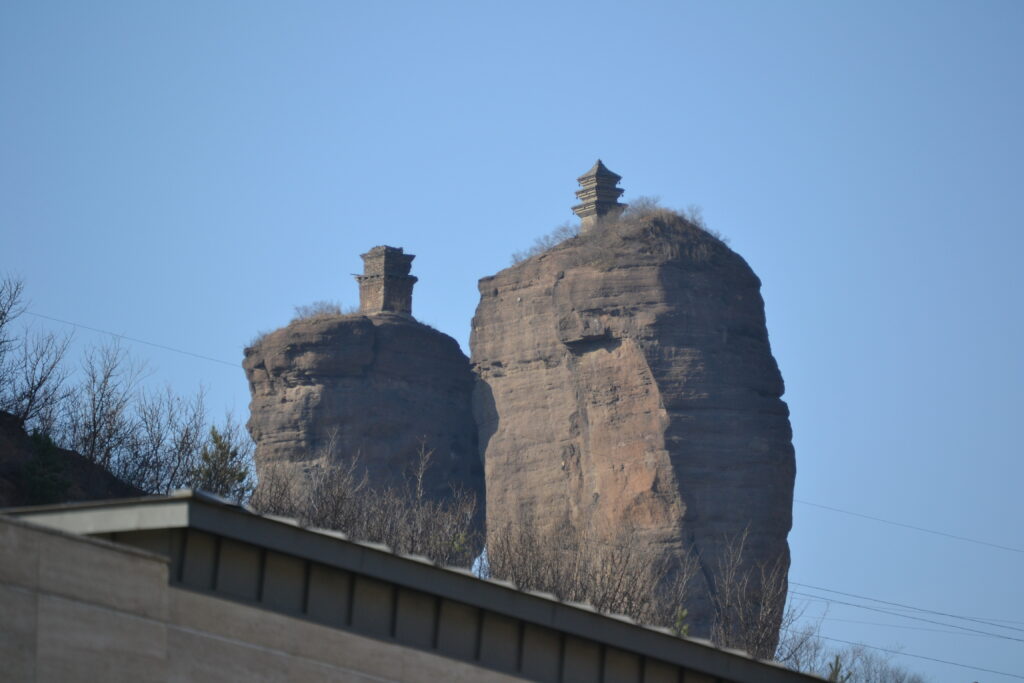
However, the most unforgettable sight for me in Chengde was the twin pagodas nearby. Of all the incredible places I saw in China, these pagodas were the most intriguing. Standing there and looking at them, I felt an unusual sense of curiosity and fascination. Their symmetry and quiet presence gave them a mysterious character.
I remember imagining what it would be like to stay inside one of those pagodas—completely isolated from the modern world, surrounded only by temples, gardens, mountains, and silence. The thought of waking up in such a place, with the calm atmosphere of centuries-old architecture around me, felt almost like stepping into a dream.
Chengde is not just a city of monuments; it is a place where history is alive in every corner. Temples inspired by Tibetan and Mongolian styles stand beside classical Chinese gardens, creating a cultural landscape that reflects the diversity of the Qing Empire. The famous Mountain Resort of Chengde, one of the largest imperial gardens ever built, adds even more beauty to the city.
For travelers who want to experience something beyond the usual tourist destinations in China, Chengde is a must-see destination. It offers not only historical significance but also a rare sense of tranquility.
Even today, years after my visit, I still remember Chengde with admiration. Among all the impressive places I visited in China, the image of those twin pagodas and the immense golden Buddha remain some of the most memorable. Sometimes I still imagine staying there for a while—alone in that peaceful palace city, surrounded by temples, mountains, and centuries of history.
Chengde is not only a destination. It is a place that stays in your imagination long after you leave.
Tell us about your thoughtsWrite message