
Hangzhou: Where Tea, History, and Quiet Spirituality Meet
Some cities impress you with skyscrapers and speed. Others charm you with beauty and calm. Hangzhou belongs to the second kind. Known as one of China’s most beautiful cities, Hangzhou blends nature, history, and culture in a way that feels almost poetic.
Located in eastern China, Hangzhou gained worldwide attention as the host city of the 2016 G20 Summit, welcoming world leaders to a place long admired in Chinese history. But long before global politics arrived here, Hangzhou had already been famous for something much older and more delicate: tea.
The Capital of Tea
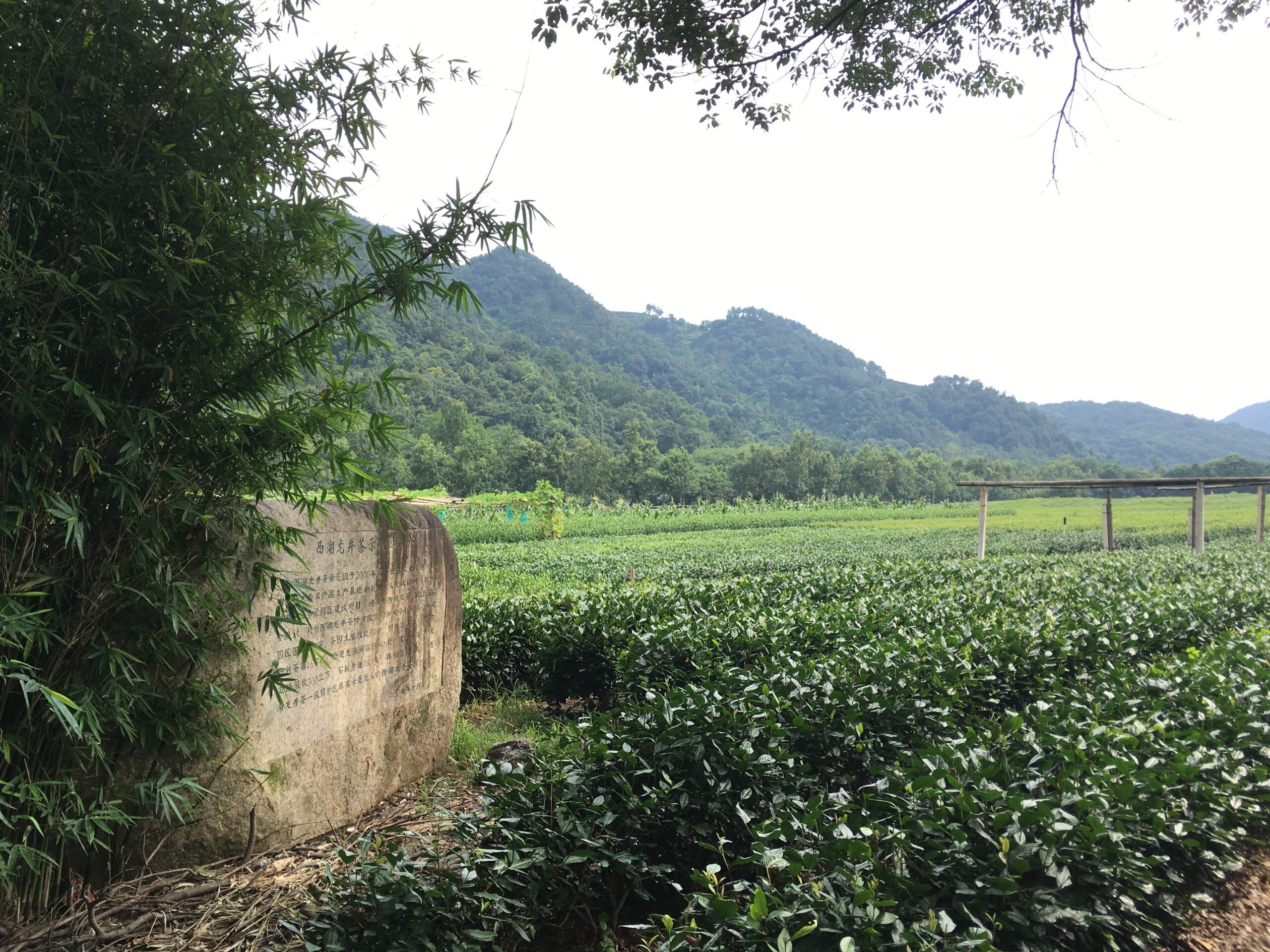
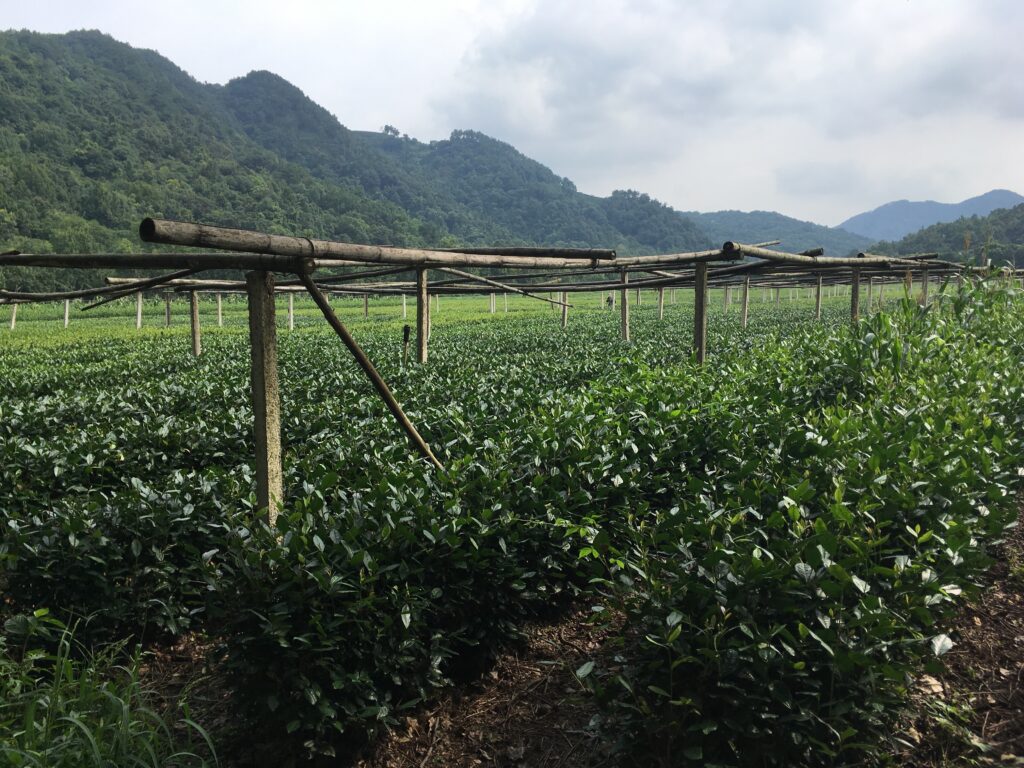
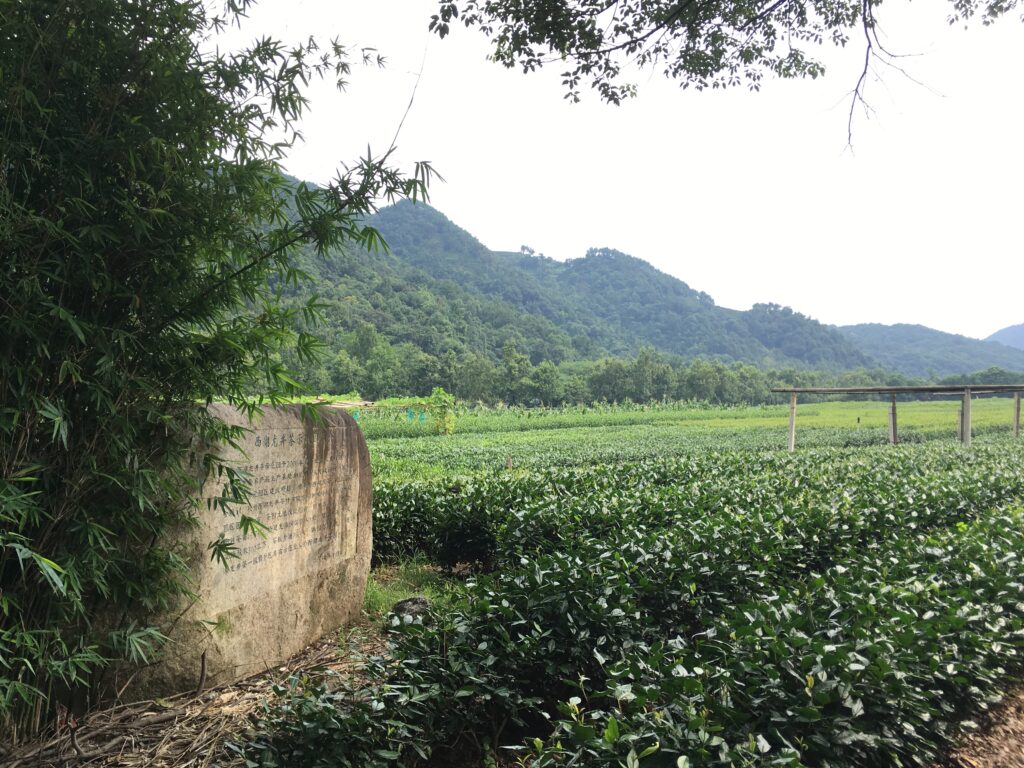
Hangzhou is widely known as the capital of Chinese tea culture, especially for its legendary Longjing (Dragon Well) tea. The hills surrounding the city are covered with endless green tea plantations, creating a peaceful landscape where agriculture, tradition, and nature exist in harmony.
Walking through the tea terraces is a sensory experience. The scent of fresh leaves fills the air, farmers carefully harvest tea by hand, and small teahouses invite visitors to slow down and taste one of China’s most famous drinks.
For centuries, scholars and poets have visited Hangzhou not only to admire its scenery but also to enjoy tea as a form of reflection and quiet conversation.
West Lake: Poetry in Landscape
At the heart of Hangzhou lies the famous West Lake, a place so beautiful that it has inspired painters and poets for more than a thousand years. Pagodas rise from tree-covered hills, elegant stone bridges cross the water, and willow trees gently touch the lake’s surface.
In the early morning, mist floats above the water, creating a scene that feels almost like a classical Chinese painting. It is no surprise that West Lake is recognized as a UNESCO World Heritage Site.
Here, the rhythm of the city slows down. People walk, cycle, or sit quietly by the water, enjoying the peaceful atmosphere that defines Hangzhou.
A Sacred Muslim Tomb
While Hangzhou is known for its tea culture and natural beauty, it also holds traces of deeper historical connections between civilizations. One of the most meaningful places I visited was a sacred Muslim tomb, believed to belong to one of the earliest Islamic figures who came to China.
This quiet site reflects the long history of cultural and spiritual exchange between China and the Muslim world. For centuries, merchants, travelers, and scholars traveled along trade routes connecting East and West, bringing ideas, beliefs, and traditions with them.
Standing at this sacred place, one realizes how deeply interconnected the world has always been.
A City of Balance
Hangzhou manages to balance modern global importance and ancient cultural depth. The same city that hosted the 2016 G20 Summit also preserves centuries-old tea traditions and sacred historical sites.
It is a city where global diplomacy meets quiet tea gardens, and where ancient spiritual heritage coexists with modern development.
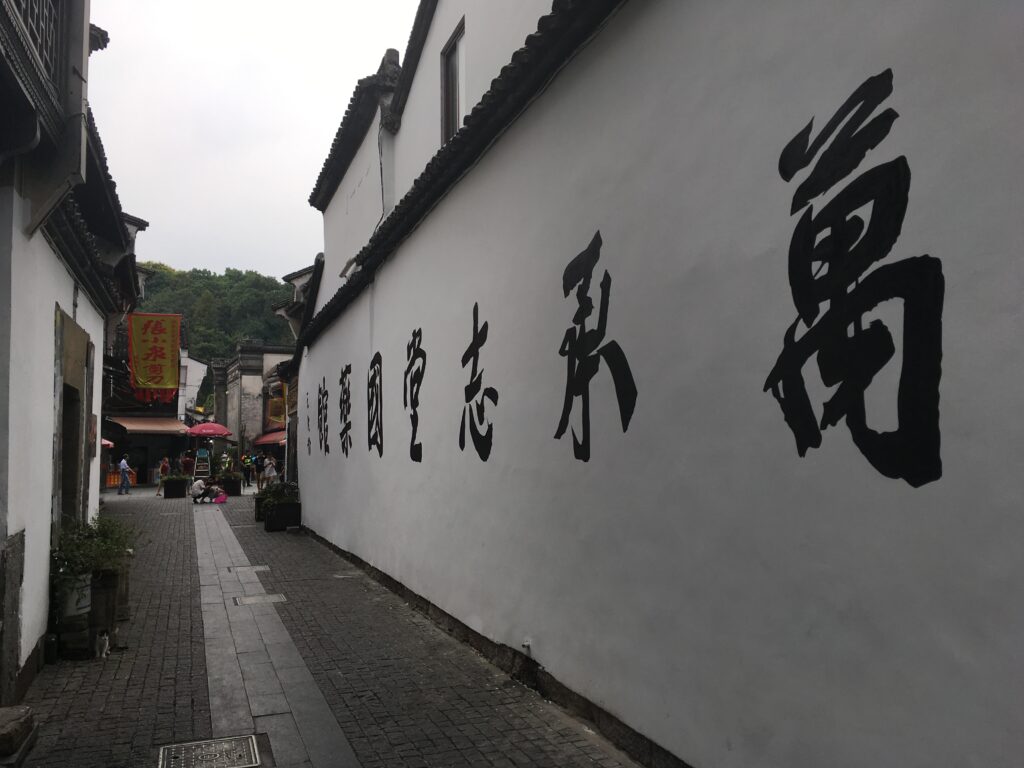
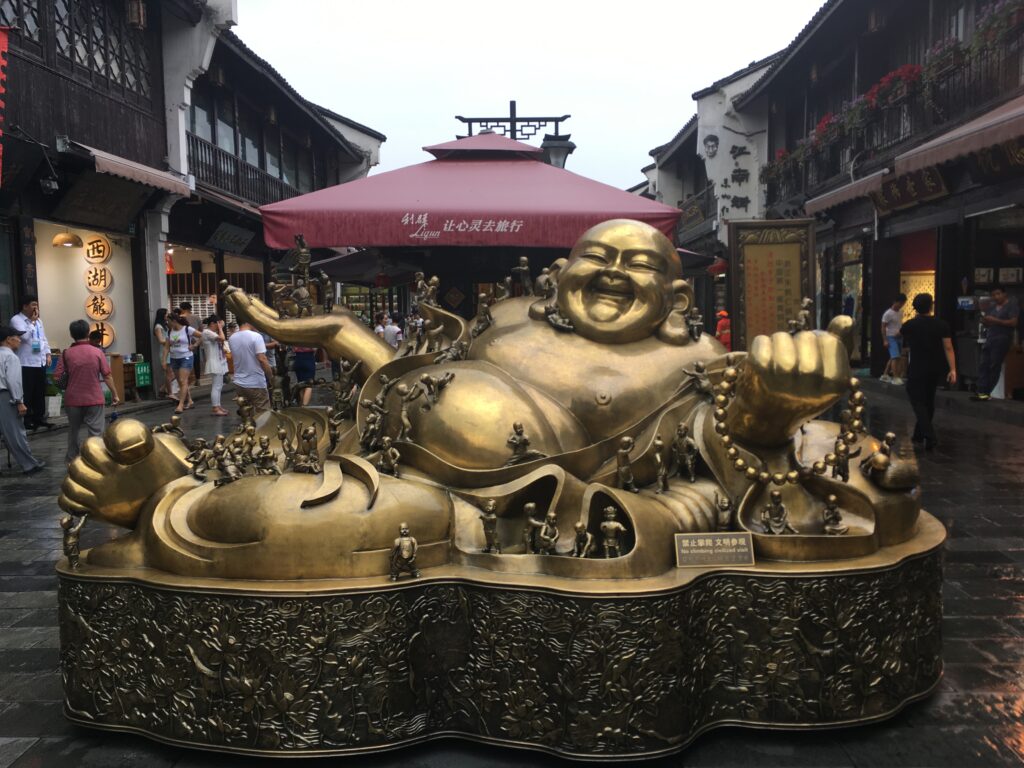
Hangzhou leaves a lasting impression not because it is loud or overwhelming, but because it is elegant, calm, and deeply rooted in history.
In this city, a cup of tea, a peaceful lake, and a sacred tomb can tell stories that stretch across continents and centuries.
And perhaps that is the true magic of Hangzhou:
a place where nature, culture, and history blend together as gently as tea leaves in hot water.
Tell us about your thoughtsWrite message