
A Journey Through the Balkans: History, Friendship, and Living Heritage
The Balkans are not just a region on the map. They are a crossroads of civilizations, cultures, and memories. Our journey through Bosnia and Herzegovina, North Macedonia, Montenegro, Albania, and Kosovo was more than a trip—it was an experience of history, friendship, and deep cultural connections.
Traveling through cities like Sarajevo, Pristina, Prizren, Tirana, Podgorica, Skopje, Ohrid, Bitola, and Bar, we encountered landscapes, traditions, and people that made the Balkans feel both familiar and fascinating at the same time.
Where the Ottoman Legacy Still Lives
One of the most striking aspects of the Balkans is how Ottoman heritage still lives in the streets, mosques, bridges, bazaars, and daily life. Walking through Sarajevo’s Baščaršija, Prizren’s old town, or Skopje’s historic neighborhoods feels like stepping into a living museum.
Stone bridges, old hammams, mosques with elegant minarets, and traditional houses stand quietly beside modern life. The influence of centuries of Ottoman presence has left a cultural layer that continues to shape the identity of the region.
In many moments during the trip, one could feel the deep historical ties between Anatolia and the Balkans, and the legacy that connects them.
The Spirit of Atatürk in the Balkans
Traveling through these lands also evokes the memory of Mustafa Kemal Atatürk, who was born in Thessaloniki, a city that was once part of the Ottoman world. In places like Bitola (Manastır), where Atatürk studied at the Military High School, the sense of history becomes very personal.
Walking through these cities, you can almost feel the echoes of a shared past that shaped both the Balkans and modern Turkey.
A Wedding by Chance
One of the most beautiful surprises of the trip happened by pure chance. During our journey, we unexpectedly came across the wedding of a friend from my university faculty. Meeting a familiar face in a different country, during such a joyful moment, made the Balkans feel even more like home.
Travel sometimes creates moments that no itinerary can plan.
The Taste of Prizren
Prizren is often described as one of the most beautiful towns in the Balkans, and after visiting it, it is easy to understand why. With its Ottoman architecture, narrow streets, and the historic Stone Bridge, the city feels both peaceful and vibrant.
There, I had the chance to try a local specialty: meat cooked on hot marble. The experience was unique—simple yet deeply flavorful, reflecting the region’s rich culinary traditions.
Food, after all, is one of the most authentic ways to understand a place.
Visiting a Bektashi Tekke
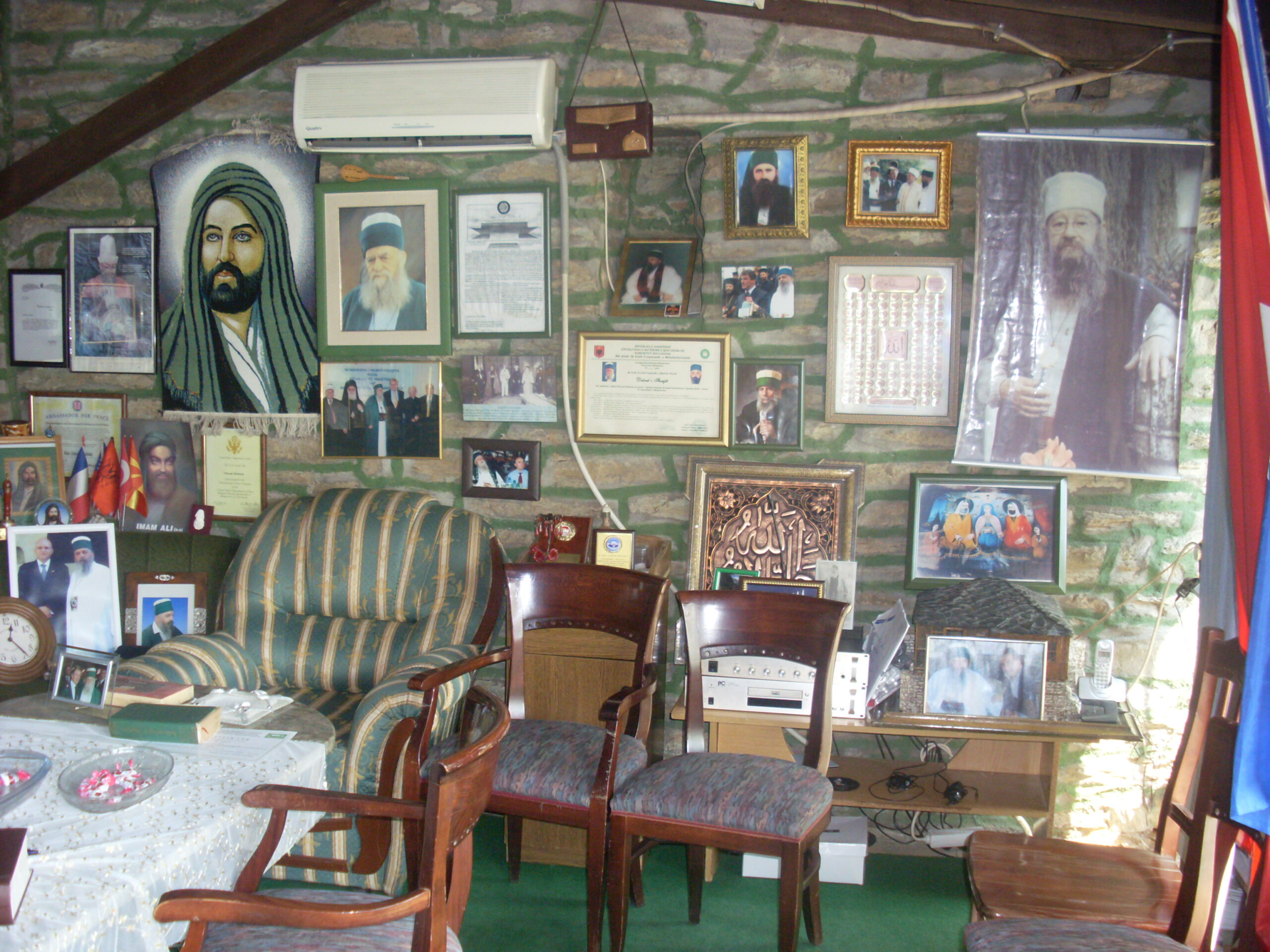
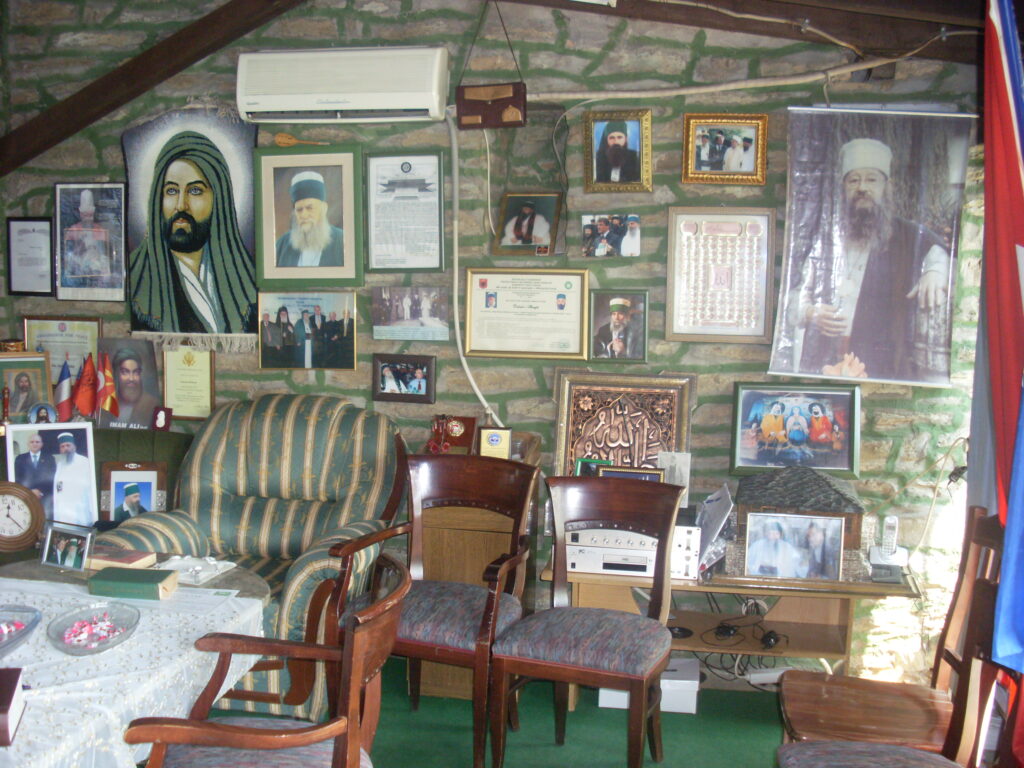
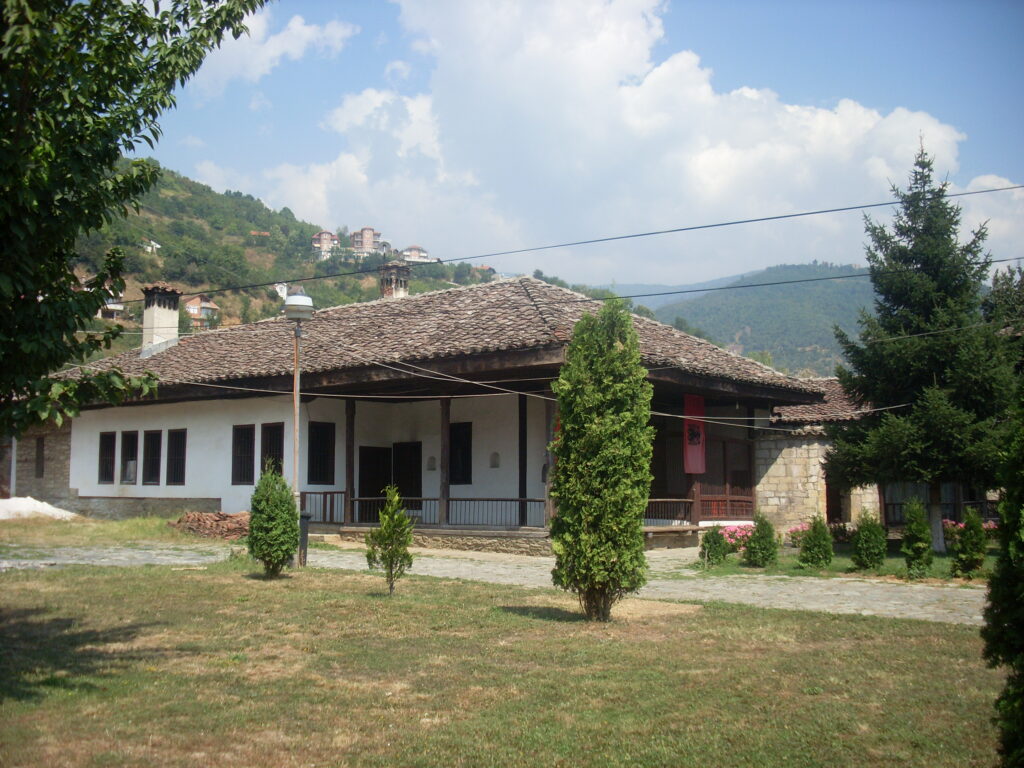
Another meaningful moment during the journey was visiting a Bektashi tekke, a spiritual center belonging to the Bektashi Sufi tradition. The calm atmosphere, the architecture, and the sense of spiritual continuity reminded us that the Balkans have long been home to diverse forms of religious and cultural expression.
Places like these quietly preserve centuries of spiritual heritage.
The Beauty of the Balkans
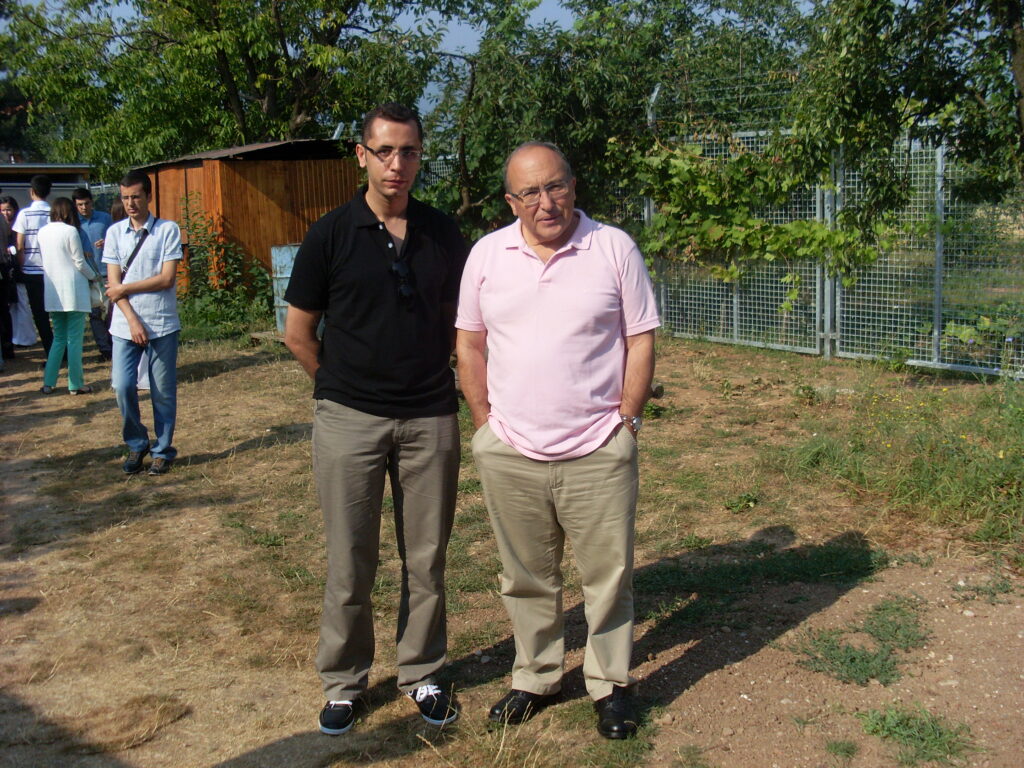
This journey was also special because we traveled with our dear professor Haluk Dursun, who sadly passed away not long ago. During the trip, he shared his knowledge, insights, and stories with us, making every city and monument come alive with deeper meaning.
His presence made the journey far richer than any guidebook could.
We spent joyful, meaningful, and educational moments together. His passion for history, culture, and travel inspired everyone around him.
May he rest in peace. Mekânı cennet olsun.
The Beauty of the Balkans
From the mountains of Montenegro to the lakes of Ohrid, from the historic streets of Sarajevo to the lively energy of Tirana, the Balkans reveal themselves as a region full of contrasts and harmony at the same time.
Each city has its own character, but they all share a sense of layered history and warm hospitality.
Traveling through the Balkans reminds you that borders may divide countries, but culture, memory, and history continue to connect people across them.
And perhaps that is the true beauty of the Balkans:
a place where past and present, East and West, memory and discovery all meet in the same landscape.
Tell us about your thoughtsWrite message